

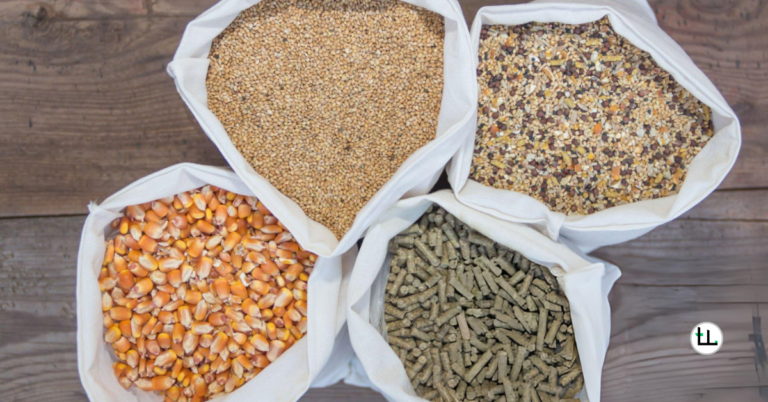
A well-planned Dorper sheep feeding programme is the foundation of profitable sheep production. Although Dorper sheep are highly adaptable and capable of thriving under diverse production systems, they require balanced nutrition to achieve optimal growth performance, reproductive efficiency, meat production, and overall flock health. Feeding requirements change throughout the year depending on age, physiological stage, pasture availability, and production objectives, making a structured feeding programme essential for both commercial and smallholder farmers.
Providing the right balance of energy, protein, forage, minerals, and clean water allows Dorper sheep to maintain good body condition score, improve feed conversion, and resist diseases more effectively. Poor nutrition, on the other hand, can reduce fertility, slow lamb growth, weaken immunity, and increase production costs.
This guide explains how to develop an effective Dorper sheep feeding programme, nutritional requirements for different classes of sheep, feed selection, seasonal feeding strategies, and practical management practices that support long-term flock productivity.
Table of Contents
Why a Feeding Programme Is Important for Dorper Sheep
Feeding sheep is more than simply providing pasture or hay. A feeding programme ensures that every class of animal receives the nutrients required for its specific stage of production.
Growing lambs require nutrients for muscle development, breeding rams need balanced diets to maintain fertility, while pregnant and lactating ewes have significantly higher nutritional demands than dry animals.
A structured feeding programme helps farmers:
- Improve growth performance
- Enhance feed conversion
- Increase reproductive efficiency
- Produce healthier lambs
- Maintain good body condition score
- Reduce nutritional disorders
- Improve carcass quality
- Lower feeding costs through efficient ration planning
Consistent nutrition also strengthens the immune system, enabling sheep to better withstand disease, environmental stress, and parasite challenges.
Understanding the Nutritional Requirements of Dorper Sheep
Every Dorper sheep requires six essential nutrient groups for normal growth, maintenance, and reproduction.
The amount of each nutrient varies according to age, body weight, physiological stage, and production goals.
Energy
Energy is the primary nutrient required for maintenance, growth, pregnancy, lactation, and daily activity.
Insufficient energy intake results in:
- Weight loss
- Poor growth
- Reduced fertility
- Low milk production
- Weak lambs
- Declining body condition score
Common energy sources include:
- Maize bran
- Wheat bran
- Barley bran
- Maize germ
- Maize silage
- Super Napier silage
- Rhodes grass hay
Energy should always be supplied in balance with other nutrients to avoid digestive disturbances and excessive fat deposition.
Protein
Protein supports muscle growth, tissue repair, fetal development, milk production, and immune function.
Growing lambs and lactating ewes generally require higher protein levels than mature maintenance animals.
Common protein sources include:
- Lucerne hay
- Lucerne pellets
- Sunflower cake
- Cottonseed cake
- Canola cake
- Soybean meal
Adequate protein intake improves growth while supporting stronger immune responses and reproductive performance.
Forage
High-quality forage forms the foundation of every feeding programme.
Forage supports healthy rumen function while providing fiber necessary for proper digestion.
Suitable forage sources include:
- Boma Rhodes hay
- Brachiaria hay
- Lucerne hay
- Natural pasture
- Crop residues of suitable quality
Even sheep receiving concentrate feeds require sufficient forage to maintain rumen health.
Minerals and Vitamins
Balanced mineral supplementation supports bone development, reproduction, immunity, hoof health, and enzyme function.
Essential minerals include:
- Calcium
- Phosphorus
- Zinc
- Selenium
- Copper (where appropriate)
- Magnesium
- Sodium
Providing free-choice mineral supplements helps prevent deficiencies that may reduce flock productivity.
Clean Water
Water is often the most overlooked nutrient.
Dorper sheep require continuous access to clean, fresh drinking water regardless of season.
Water requirements increase during:
- Hot weather
- Pregnancy
- Lactation
- Rapid growth
- High-concentrate feeding
Poor water quality reduces feed intake and negatively affects animal performance.
Factors That Influence Feeding Requirements
No single feeding programme suits every Dorper flock.
Nutrient requirements vary according to several important factors.
Age
Young lambs require nutrient-dense diets to support rapid growth, while mature sheep generally need fewer nutrients for maintenance.
Body Weight
Larger sheep consume more feed than smaller animals because their maintenance requirements are higher.
Routine weighing helps farmers estimate feed requirements more accurately.
Production Stage
Nutritional demands increase significantly during:
- Late pregnancy
- Lactation
- Rapid growth
- Breeding season
Dry mature sheep generally require fewer nutrients than productive animals.
Production System
Feeding programmes differ depending on whether sheep are managed under:
- Intensive systems
- Semi-intensive systems
- Extensive grazing systems
Intensive farms rely more heavily on formulated rations, while extensive systems depend largely on pasture availability with strategic supplementation.
Pasture Quality
Seasonal changes in pasture growth greatly influence nutrient intake.
When pasture quality declines, supplementation becomes necessary to maintain productivity and prevent excessive weight loss.
Feeding Programme for Growing Dorper Lambs
Growing lambs have the highest nutritional demands of any class of sheep because they are developing muscle, bone, and internal organs while building their future production potential. A well-balanced feeding programme during this stage promotes rapid growth performance, efficient feed conversion, and stronger immune function.
During the first few weeks of life, lambs depend almost entirely on their mother’s milk. High-quality colostrum immediately after birth provides essential nutrients and antibodies that protect against disease while supporting early development.
As lambs begin nibbling forage and concentrates, they should gradually transition to solid feeds without causing digestive disturbances.
A good feeding programme for growing lambs should include:
- High-quality forage
- Adequate protein
- Balanced energy
- Free-choice mineral supplementation
- Unlimited clean water
Avoid sudden feed changes because the developing rumen requires time to adapt to new diets.
Feeding Programme for Weaned Lambs
Weaning is one of the most stressful periods in a lamb’s life. Changes in diet, separation from the ewe, and environmental adjustments can temporarily reduce feed intake and slow growth.
To minimize stress, weaned lambs should receive highly digestible feeds that encourage consistent intake.
Suitable feeds include:
- Lucerne hay
- Good-quality grass hay
- Maize bran
- Wheat bran
- Maize germ
- Protein supplements where required
Maintaining steady nutrition after weaning helps lambs continue growing without unnecessary setbacks.
Routine monitoring of body condition score and growth rates allows farmers to identify animals requiring additional nutritional support.
Feeding Programme for Breeding Ewes
Breeding ewes require different feeding strategies throughout the production cycle.
The objective is not to overfeed but to maintain adequate nutrition that supports fertility, pregnancy, lamb development, and milk production.
Before Breeding
Nutrition before mating has a direct influence on reproductive performance.
Ewes should enter the breeding season in good body condition score because excessively thin or obese animals often experience lower conception rates.
Flushing, which involves increasing dietary energy for several weeks before breeding, may improve ovulation rates in appropriately managed flocks.
During Early Pregnancy
Nutrient requirements during early pregnancy remain relatively close to maintenance levels.
Excessive feeding during this stage may increase production costs without improving reproductive performance.
Balanced forage, adequate protein, and mineral supplementation generally provide sufficient nutrition.
During Late Pregnancy
The final six to eight weeks before lambing represent the most demanding nutritional period.
Rapid fetal growth increases requirements for:
- Energy
- Protein
- Calcium
- Phosphorus
- Trace minerals
Inadequate nutrition during late pregnancy may lead to:
- Weak lambs
- Low birth weights
- Reduced colostrum production
- Pregnancy toxemia
- Poor milk yield
Supplementation becomes increasingly important where pasture quality declines.
During Lactation
Milk production requires large quantities of nutrients.
Lactating ewes should receive sufficient energy, quality protein, and highly digestible forage to maintain milk production without excessive weight loss.
Regular monitoring allows farmers to adjust feeding programmes according to litter size and milk demand.
Feeding Programme for Breeding Rams
Breeding rams require balanced nutrition throughout the year, with increased attention before and during the breeding season.
Poor nutrition may reduce libido, semen quality, and overall reproductive performance.
Several weeks before mating, rams should receive improved nutrition to support:
- Fertility
- Physical fitness
- Muscle condition
- Immune function
Suitable feeds include:
- High-quality hay
- Moderate concentrate supplementation
- Adequate protein
- Balanced mineral supplementation
- Unlimited clean water
Overfeeding should be avoided because excessive body fat reduces breeding efficiency.
Routine body condition scoring helps maintain optimal breeding condition.
Best Feed Ingredients for Dorper Sheep
Successful feeding programmes use locally available feed resources while ensuring balanced nutrition.
Common feed ingredients include:
Energy Sources
- Maize bran
- Wheat bran
- Barley bran
- Maize germ
- Maize silage
- Super Napier silage
These feeds provide the energy required for maintenance, growth, pregnancy, and lactation.
Protein Sources
- Lucerne hay
- Lucerne pellets
- Sunflower cake
- Cottonseed cake
- Canola cake
- Soybean meal
Protein supplements become particularly important for growing lambs and lactating ewes.
Forage Sources
Good-quality forage supports rumen health while encouraging proper digestion.
Suitable options include:
- Boma Rhodes hay
- Brachiaria hay
- Lucerne hay
- Natural pasture
- Conserved grass hay
Whenever possible, forage should form the foundation of the feeding programme.
Mineral Sources
Balanced mineral supplementation may include:
- Commercial sheep mineral mixes
- Salt licks
- Mineral blocks
- Loose mineral supplements
Minerals should remain available throughout the year because deficiencies often develop gradually before clinical signs become apparent.
Total Mixed Ration (TMR) for Dorper Sheep

Commercial producers often use a Total Mixed Ration (TMR) to ensure every mouthful contains a balanced mixture of nutrients.
Rather than allowing sheep to selectively consume certain ingredients, TMR combines forage, concentrates, protein sources, minerals, and vitamins into a uniform ration.
Potential advantages include:
- Improved feed conversion
- Consistent nutrient intake
- Reduced feed sorting
- Better rumen function
- More efficient growth
- Easier ration management
The exact formulation should be adjusted according to the class of sheep being fed and the production objectives of the farm.
Farmers introducing TMR should do so gradually to allow rumen microorganisms sufficient time to adapt to dietary changes.
Seasonal Feeding Programme for Dorper Sheep
Feed availability changes throughout the year, making seasonal planning essential for maintaining flock productivity. Adjusting feeding programmes to match pasture conditions helps prevent nutritional deficiencies while controlling feed costs.
Feeding During the Rainy Season
The rainy season usually provides abundant pasture growth, allowing sheep to obtain much of their nutritional requirements through grazing.
Even during periods of plentiful forage, farmers should continue monitoring pasture quality because rapidly growing grass may contain high moisture levels but insufficient nutrients for high-producing animals.
During the rainy season:
- Practice rotational grazing.
- Prevent overgrazing.
- Supply free-choice mineral supplementation.
- Monitor body condition score regularly.
- Provide clean drinking water.
Pregnant and lactating ewes may still require additional supplementation despite improved pasture availability.
Feeding During the Dry Season
The dry season presents the greatest nutritional challenge for many Dorper producers.
Pasture quantity and quality often decline significantly, reducing both energy and protein intake.
To maintain productivity, farmers should supplement grazing with:
- Boma Rhodes hay
- Brachiaria hay
- Lucerne hay
- Maize silage
- Super Napier silage
- Maize bran
- Wheat bran
- Protein supplements
Planning forage conservation during periods of surplus helps reduce feed shortages later in the year.
Feeding During Drought
Extended droughts require careful ration management.
Limited pasture availability often forces sheep to depend almost entirely on stored feeds and purchased supplements.
Farmers should prioritize available feed resources for:
- Growing lambs
- Lactating ewes
- Pregnant ewes
- Breeding rams
Reducing stocking rates early may also prevent severe feed shortages while protecting pasture recovery.
How to Monitor Body Condition and Adjust Feeding
A successful feeding programme depends on continuous monitoring rather than following a fixed ration throughout the year.
Regular body condition scoring allows farmers to determine whether sheep are receiving adequate nutrition.
Sheep in poor condition require additional nutrients, while excessively fat animals may experience reproductive problems and unnecessary feeding costs.
Routine assessments should be conducted:
- Before breeding
- During pregnancy
- Before lambing
- At weaning
- Before marketing
- During seasonal feed shortages
Adjustments should be made gradually to avoid digestive disturbances.
Weighing sheep whenever possible provides additional information for evaluating the effectiveness of the feeding programme.
Common Feeding Mistakes Farmers Make
Even experienced producers occasionally make nutritional mistakes that reduce flock performance.
Common feeding errors include:
- Relying entirely on poor-quality pasture.
- Feeding insufficient protein during rapid growth.
- Ignoring mineral supplementation.
- Making sudden feed changes.
- Providing inadequate clean water.
- Overstocking grazing paddocks.
- Allowing severe overgrazing.
- Overfeeding breeding rams.
- Underfeeding pregnant and lactating ewes.
- Failing to monitor body condition score.
Correcting these mistakes improves productivity while reducing unnecessary feeding costs.
Dorper Sheep Feeding Programme in Kenya
Kenya’s varied climatic regions require flexible feeding programmes that reflect local pasture availability, rainfall patterns, and production systems.
In high-rainfall areas, pasture growth often supports much of the flock’s nutritional needs during the wet season. Farmers should focus on maintaining pasture quality through rotational grazing while supplementing breeding animals according to production stage.
In the arid and semi-arid lands (ASALs), seasonal feed shortages are common. Conserving hay and silage during periods of abundant pasture provides valuable feed reserves during prolonged dry seasons.
Smallholder farmers can improve flock nutrition by integrating crop residues, planted fodder, and strategic concentrate supplementation while ensuring continuous access to mineral supplementation and clean water.
Commercial Dorper producers often achieve greater feeding efficiency by combining pasture utilization with conserved forages, formulated concentrate rations, and carefully balanced Total Mixed Ration (TMR) systems where appropriate.
Working with livestock nutritionists and extension officers helps farmers formulate cost-effective rations using locally available feed resources without compromising flock performance.
Frequently Asked Questions
What is the best feed for Dorper sheep?
Dorper sheep perform best on a balanced diet containing high-quality forage, adequate energy, sufficient protein, mineral supplementation, and unlimited clean water. The exact ration depends on the animal’s age and production stage.
How many times should Dorper sheep be fed each day?
Sheep grazing pasture generally obtain most of their nutrition throughout the day. Where supplementary feeding is provided, concentrates are commonly offered once or twice daily depending on the production system and management objectives.
Can Dorper sheep survive on pasture alone?
During periods of high-quality pasture growth, mature maintenance sheep may meet much of their nutritional needs through grazing. However, growing lambs, pregnant ewes, lactating ewes, and breeding rams often require additional supplementation to achieve optimal productivity.
Should Dorper sheep receive mineral supplements all year?
Yes. Continuous access to mineral supplementation helps prevent deficiencies that may affect growth, fertility, hoof health, immunity, and overall flock performance.
What should Dorper sheep eat during the dry season?
During feed shortages, farmers should supplement grazing with conserved forages such as hay and silage together with appropriate energy and protein sources to maintain body condition score and production.
Is a Total Mixed Ration suitable for Dorper sheep?
Yes. A properly formulated Total Mixed Ration (TMR) can improve feed conversion, support consistent nutrient intake, and simplify feeding management, particularly in commercial production systems.
Conclusion
A well-designed Dorper sheep feeding programme is essential for maximizing growth performance, reproductive efficiency, flock health, and overall farm profitability. Because nutritional requirements change with age, production stage, pasture availability, and seasonal conditions, successful feeding programmes should be flexible rather than relying on a single ration throughout the year.
Balanced diets containing adequate energy, protein, high-quality forage, continuous mineral supplementation, and clean water provide the nutritional foundation required for healthy lamb growth, productive breeding ewes, fertile rams, and efficient meat production. Combining these nutritional practices with regular body condition scoring, rotational grazing, and careful monitoring enables farmers to make timely adjustments before productivity declines.
Whether managing a smallholder flock or a large commercial enterprise, investing in proper nutrition remains one of the most effective ways to improve flock performance, reduce production costs, and achieve sustainable long-term success in Dorper sheep farming.