

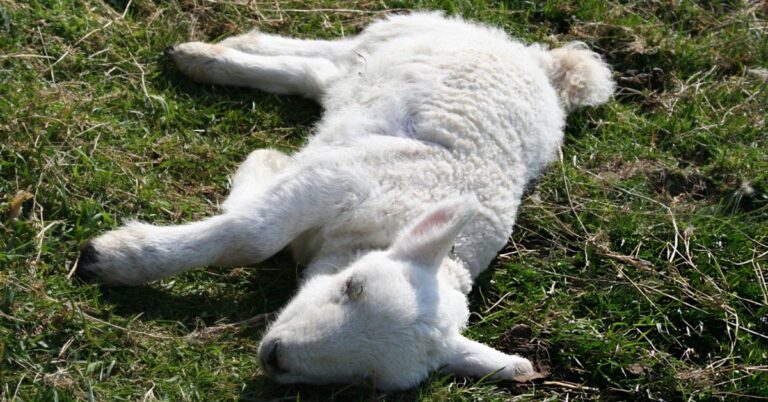
Dorper lamb mortality causes remain one of the biggest concerns for sheep farmers because every lamb lost represents reduced flock productivity, lower income, and slower genetic progress. Although Dorper sheep are well known for their excellent maternal instincts, rapid growth, and adaptability, lamb deaths can still occur before, during, or after birth if health and management challenges are not addressed promptly.
Most lamb deaths are preventable. The highest risk occurs during the first few weeks of life when newborn lambs are vulnerable to disease, poor weather, inadequate nutrition, and management errors. Understanding why lambs die allows farmers to implement practical strategies that improve survival rates while increasing the profitability of both commercial and smallholder sheep enterprises.
This guide examines the leading Dorper lamb mortality causes, explains the risk factors associated with each, and provides practical recommendations for reducing losses from pregnancy through weaning.
Table of Contents
Why Lamb Mortality Matters in Dorper Sheep Farming
Every surviving lamb contributes directly to flock profitability. High lamb survival means more replacement breeding stock, increased meat production, and better returns from feed, labor, and breeding investments.
Conversely, high lamb mortality reduces the number of marketable animals while increasing the cost of production per surviving lamb. Farmers may spend months caring for pregnant ewes only to lose valuable lambs during or shortly after lambing.
Reducing lamb mortality improves:
- Lamb survival
- Growth performance
- Flock expansion
- Breeding efficiency
- Farm profitability
- Animal welfare
Successful lamb rearing begins long before birth. Nutrition, breeding management, disease prevention, housing, and close supervision during lambing all influence survival.
When Are Dorper Lambs Most at Risk?
Although lamb deaths can occur at any stage before weaning, the greatest risk exists during the first few days after birth.
Newborn lambs must quickly adapt to life outside the uterus by regulating body temperature, standing, nursing, and developing immunity through colostrum consumption. Any delay in these processes increases the likelihood of illness or death.
The highest-risk periods include:
- Late pregnancy
- Birth
- The first 24 hours after lambing
- The first week of life
- The pre-weaning period
Careful monitoring during these stages allows farmers to identify problems before they become fatal.
Difficult Lambing (Dystocia)
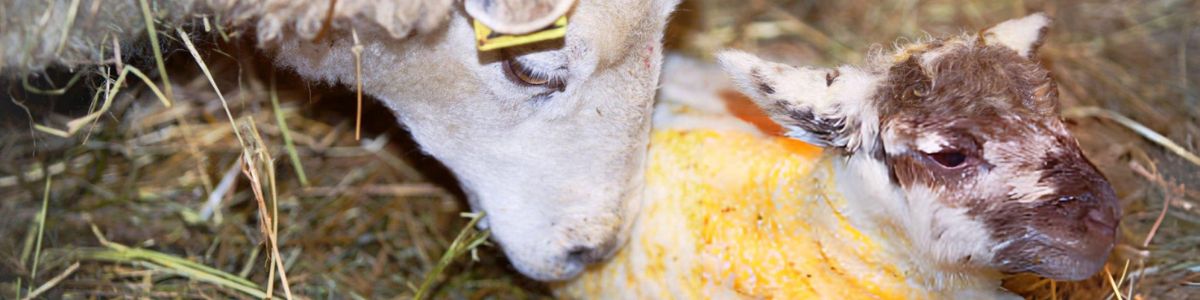
Difficult birth, commonly known as dystocia, is one of the leading causes of newborn lamb mortality.
When labor becomes prolonged or complicated, lambs may suffer oxygen deprivation before delivery. Delayed births also increase the risk of exhaustion in both the ewe and the lamb.
Several factors contribute to dystocia, including:
- Oversized lambs
- Poor fetal positioning
- Narrow pelvic structure
- Multiple births
- First-time mothers
- Obesity in pregnant ewes
Signs that veterinary assistance may be required include prolonged straining without progress, abnormal presentation of the lamb, or excessive exhaustion of the ewe.
Good breeding management and maintaining appropriate body condition score during pregnancy help reduce the incidence of difficult births.
Poor Colostrum Intake

Colostrum is the first milk produced after lambing and is essential for newborn survival.
Unlike older sheep, newborn lambs are born with very little natural immunity. They rely almost entirely on antibodies obtained from colostrum during the first few hours of life.
Failure to consume enough colostrum can result from:
- Weak lambs
- Poor mothering ability
- Low milk production
- Difficult birth
- Large litters
- Separation of ewe and lamb
Lambs that fail to receive adequate colostrum are more susceptible to infections, poor growth, and death during the first weeks of life.
Farmers should ensure every lamb suckles as soon as possible after birth and confirm that the ewe is producing sufficient milk.
Starvation
Starvation often develops gradually rather than occurring immediately after birth.
Weak lambs may struggle to locate the teat, compete with stronger siblings, or nurse effectively. Lambs born during cold weather require even greater energy intake because they burn additional energy maintaining body temperature.
Common causes of starvation include:
- Insufficient milk supply
- Poor maternal behavior
- Mastitis in the ewe
- Large litter sizes
- Weak or premature lambs
Early identification of hungry lambs allows farmers to provide supplementary feeding before serious weakness develops.
Hypothermia
Newborn lambs lose body heat rapidly because of their small body size and limited energy reserves.
Cold, wet, and windy weather significantly increases the risk of hypothermia, particularly when lambs are born outdoors without adequate shelter.
Hypothermic lambs often appear:
- Weak
- Slow to stand
- Unable to suckle
- Shivering initially
- Cold to the touch
- Unresponsive in advanced cases
Providing clean, dry lambing areas and ensuring prompt colostrum intake greatly reduces hypothermia-related deaths.
Infectious Diseases
Several infectious diseases contribute to lamb mortality, especially where hygiene and biosecurity are inadequate.
Common infectious causes include:
- Neonatal diarrhea
- Pneumonia
- Navel infections
- Septicemia
- Clostridial diseases
Young lambs are particularly vulnerable because their immune systems are still developing.
Good sanitation, adequate colostrum intake, and well-planned vaccination programs help reduce disease-related mortality.
Predation
Predators remain an important cause of lamb losses in many production systems, particularly where sheep graze extensively.
Young lambs are especially vulnerable during their first few weeks of life because they cannot outrun predators or defend themselves.
Depending on the farming area, predators may include:
- Jackals
- Hyenas
- Feral dogs
- Eagles and other large birds of prey
Predation risk increases when lambing occurs in isolated paddocks with limited supervision or inadequate fencing.
Good flock supervision, secure night enclosures, livestock guardian animals, and predator-resistant fencing help minimize these losses.
Poor Nutrition During Pregnancy
The health of a lamb begins long before birth. Ewes that receive inadequate nutrition during pregnancy are more likely to produce weak lambs with lower birth weights, reduced vigor, and poorer survival rates.
The final six to eight weeks of pregnancy are particularly important because this is when most fetal growth occurs. During this period, nutrient requirements increase significantly, especially for ewes carrying twins or triplets.
Poor maternal nutrition may result in:
- Low birth weights
- Weak lambs
- Reduced colostrum production
- Poor milk yield
- Difficult lambing
- Slower lamb growth
Providing balanced diets containing adequate energy, protein, and mineral supplementation supports healthy fetal development while preparing the ewe for successful lactation.
Regular body condition scoring helps farmers adjust feeding programmes before nutritional deficiencies affect lamb survival.
Low Birth Weight
Birth weight has a major influence on lamb survival.
Very small lambs possess limited energy reserves and struggle to regulate body temperature after birth. They are also slower to stand and suckle, reducing colostrum intake during the critical first hours of life.
Low birth weight commonly results from:
- Poor ewe nutrition
- Heavy parasite burdens
- Disease during pregnancy
- Young or poorly developed ewes
- Multiple pregnancies
Maintaining healthy breeding ewes throughout pregnancy helps produce vigorous lambs capable of adapting quickly after birth.
Weak Mothering Ability
Dorper sheep are widely recognized for strong maternal instincts, but individual differences still occur.
Some ewes may fail to clean, protect, or nurse their lambs immediately after birth. Others may reject lambs altogether, particularly first-time mothers experiencing stress or difficult deliveries.
Signs of poor maternal behavior include:
- Refusing to allow suckling
- Walking away from the lamb
- Failing to respond to lamb vocalizations
- Aggressive behavior toward newborns
- Inadequate grooming after birth
Close observation during lambing allows farmers to identify ewes requiring assistance before lamb survival is compromised.
Selecting replacement females with consistently good maternal performance contributes to improved flock productivity over time.
Internal and External Parasites
Heavy parasite control failures affect both ewes and lambs.
Pregnant ewes carrying high parasite burdens often lose condition before lambing, reducing milk production and weakening newborn lambs.
Young lambs may also become infected shortly after beginning to graze, particularly on contaminated pastures.
Internal parasites reduce:
- Growth performance
- Appetite
- Feed utilization
- Immune function
External parasites such as ticks and lice create additional stress while increasing susceptibility to disease.
Strategic parasite management before lambing and throughout the grazing season helps improve lamb survival.
Poor Lambing Environment
The lambing environment has a direct impact on newborn health.
Dirty, overcrowded, or poorly ventilated lambing pens increase exposure to disease-causing bacteria while creating stressful conditions for both ewe and lamb.
Ideal lambing facilities should provide:
- Clean bedding
- Dry flooring
- Good ventilation
- Protection from rain and wind
- Adequate space
- Easy access to clean water
Maintaining hygienic lambing areas reduces the risk of infections such as navel ill, diarrhea, and pneumonia.
Congenital Defects
Although relatively uncommon, congenital abnormalities may contribute to lamb mortality.
Some defects develop during pregnancy, while others may have a genetic basis.
Examples include:
- Limb deformities
- Cleft palate
- Heart abnormalities
- Nervous system defects
Affected lambs may struggle to stand, nurse, or survive beyond the first few days of life.
Using healthy breeding stock and avoiding undesirable genetic combinations helps reduce the occurrence of inherited defects.
How Veterinarians Diagnose Lamb Mortality Causes
Accurately identifying why lambs die is essential for preventing similar losses in future lambing seasons.
Rather than assuming a single cause, veterinarians examine several factors before reaching a diagnosis.
These may include:
- Pregnancy history
- Lambing records
- Vaccination history
- Nutritional programme
- Clinical signs
- Environmental conditions
- Age at death
- Post-mortem examination when necessary
Laboratory testing may also be recommended to identify infectious diseases or nutritional deficiencies responsible for repeated losses.
Maintaining detailed flock records greatly assists veterinary investigations.
How to Reduce Lamb Mortality in Dorper Sheep
Improving lamb survival requires attention throughout the entire production cycle rather than only during lambing.
Successful producers focus on prevention through consistent flock management.
Key management practices include:
Maintain Proper Ewe Nutrition
Provide balanced diets containing adequate energy, protein, quality forage, and mineral supplementation throughout pregnancy.
Good nutrition supports fetal development, colostrum production, and milk yield.
Prepare for Lambing
Before lambing begins:
- Clean lambing facilities.
- Assemble lambing equipment.
- Identify high-risk pregnancies.
- Monitor heavily pregnant ewes frequently.
- Ensure adequate lighting for night observations.
Preparation allows rapid intervention when problems arise.
Ensure Early Colostrum Intake
Every lamb should receive sufficient colostrum within the first few hours after birth.
Farmers should observe lambs nursing and assist weak individuals where necessary.
Prompt colostrum intake greatly improves immunity and survival.
Implement a Vaccination Programme
A well-designed vaccination programme helps protect breeding ewes against diseases that may threaten newborn lambs.
Vaccinating pregnant ewes according to veterinary recommendations also enhances antibody transfer through colostrum.
Control Parasites
Routine parasite control before breeding and lambing helps maintain ewe health while improving milk production and lamb vigor.
Strategic deworming should always follow veterinary recommendations and local parasite risks.
Monitor Lambs Closely
Frequent observation during the first week of life allows farmers to identify:
- Weak lambs
- Poor nursing
- Illness
- Injuries
- Maternal rejection
Early intervention often saves lambs that might otherwise be lost.
Keep Accurate Records
Detailed lambing records help identify recurring management problems.
Useful records include:
- Birth dates
- Birth weights
- Litter size
- Lamb deaths
- Suspected causes
- Ewe performance
- Treatments administered
Long-term record keeping supports better breeding and management decisions.
Frequently Asked Questions
What is the most common cause of lamb mortality in Dorper sheep?
The most common causes include poor colostrum intake, starvation, hypothermia, difficult lambing, infectious diseases, and inadequate ewe nutrition. The importance of each factor varies between farms and production systems.
How can farmers improve lamb survival?
Providing good ewe nutrition, maintaining clean lambing facilities, ensuring early colostrum intake, controlling parasites, implementing an effective vaccination programme, and closely monitoring newborn lambs all improve survival.
Why do lambs die within the first 24 hours?
Deaths during the first day of life are often associated with dystocia, hypothermia, starvation, inadequate colostrum intake, or congenital abnormalities.
Does ewe nutrition affect lamb mortality?
Yes. Well-nourished ewes generally produce stronger lambs, better-quality colostrum, and higher milk yields, all of which improve survival.
Should weak lambs be separated from the ewe?
Not unless absolutely necessary. Whenever possible, weak lambs should remain with their mothers while receiving additional assistance to nurse and maintain body temperature.
Can diseases cause sudden lamb deaths?
Yes. Several bacterial, viral, and parasitic diseases can result in rapid illness and death, particularly among newborn lambs with inadequate immunity.
Conclusion
Dorper lamb mortality causes are rarely the result of a single problem. Most losses occur because several risk factors—such as poor nutrition, difficult lambing, inadequate colostrum intake, infectious disease, parasites, or environmental stress—combine during the critical period before and after birth. Understanding these causes allows farmers to take preventive action before losses occur.
Successful lamb survival programmes begin with healthy breeding ewes and continue through pregnancy, lambing, and weaning. Balanced nutrition, strong maternal instincts, effective biosecurity, routine vaccination programmes, strategic parasite control, and careful observation of newborn lambs all contribute to healthier, more productive flocks.
By identifying potential problems early and adopting proactive management practices, Dorper producers can significantly reduce lamb mortality, improve flock profitability, and build a sustainable sheep enterprise with higher lamb survival and better long-term genetic progress.