

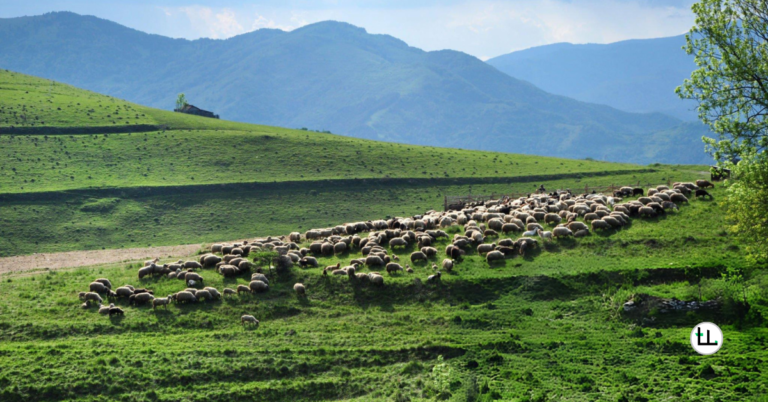
Pasture management for Dorper sheep plays a critical role in determining flock productivity, feed costs, animal health, and long-term farm sustainability. Although Dorper sheep are highly adaptable and capable of thriving under diverse environmental conditions, productive grazing systems require more than simply allowing sheep to roam freely. Proper pasture management ensures sheep have continuous access to nutritious forage while protecting grasslands from overgrazing, soil degradation, and declining productivity.
Well-managed pastures support better growth performance, improve feed conversion, reduce supplementary feeding costs, strengthen flock health, and contribute to higher lamb survival and reproductive efficiency. In contrast, poorly managed grazing areas often become overstocked, contaminated with parasites, and unable to provide adequate nutrition throughout the year.
This guide explains the principles of effective pasture management for Dorper sheep, grazing systems, pasture improvement, seasonal management, and practical strategies that help maximize forage production while maintaining healthy and productive flocks.
Why Pasture Management Is Important for Dorper Sheep
Pasture is the primary feed resource for most Dorper sheep production systems. The quality and quantity of available forage directly influence growth rates, fertility, milk production, and overall flock performance.
A well-managed pasture system provides sheep with balanced nutrition while allowing grasses and legumes sufficient time to recover after grazing.
Effective pasture management helps farmers:
- Improve growth performance
- Enhance feed conversion
- Reduce purchased feed costs
- Support better body condition score
- Improve reproductive performance
- Reduce soil erosion
- Increase forage production
- Improve long-term pasture sustainability
Healthy pastures also contribute to better environmental stewardship by protecting soil structure, improving water infiltration, and supporting biodiversity.
Understanding the Grazing Behavior of Dorper Sheep
Understanding how Dorper sheep graze helps farmers design more efficient pasture management programmes.
Dorper sheep are selective grazers that prefer young, leafy plants because they contain higher levels of energy and protein than mature stems.
Unlike cattle, sheep graze very close to the ground when forage becomes limited. While this ability allows them to utilize pasture efficiently, excessive close grazing increases the risk of overgrazing and exposes sheep to higher levels of internal parasite larvae.
Dorper sheep readily consume:
- Grasses
- Legumes
- Broadleaf plants
- Browse species
- Some shrubs
Their adaptable grazing behavior allows them to perform well across a wide range of production environments when pasture is managed appropriately.
Characteristics of Good Pasture for Dorper Sheep
Not all pastures provide the same nutritional value.
High-quality pasture should supply adequate energy, protein, fiber, minerals, and vitamins while remaining palatable throughout the grazing season.
A productive sheep pasture should have:
- Dense ground cover
- High forage yield
- Good drought tolerance
- High digestibility
- Minimal weed infestation
- Adequate soil fertility
- Reliable regrowth after grazing
Including a mixture of grasses and legumes generally improves pasture quality while increasing soil nitrogen through natural biological fixation.
Best Pasture Species for Dorper Sheep
Selecting suitable forage species depends on climate, rainfall, soil type, and production objectives.
Several pasture species perform well under Dorper sheep production systems.
Rhodes Grass
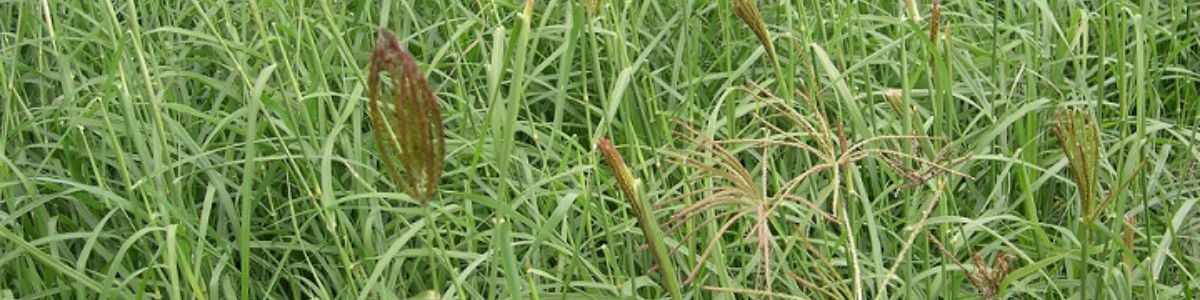
Rhodes grass is widely grown because of its good productivity, drought tolerance, and suitability for grazing and hay production.
It establishes relatively quickly and provides quality forage when managed correctly.
Brachiaria Grass
Brachiaria varieties perform well in many tropical and subtropical regions.
Advantages include:
- Good drought tolerance
- High biomass production
- Strong regrowth
- Good grazing persistence
Proper grazing management helps maintain forage quality throughout the growing season.
Napier Grass
Napier grass is commonly used as a cut-and-carry forage rather than direct grazing because sheep may damage young plants through close grazing.
When harvested at the correct stage, Napier provides valuable supplemental feed during dry periods.
Lucerne
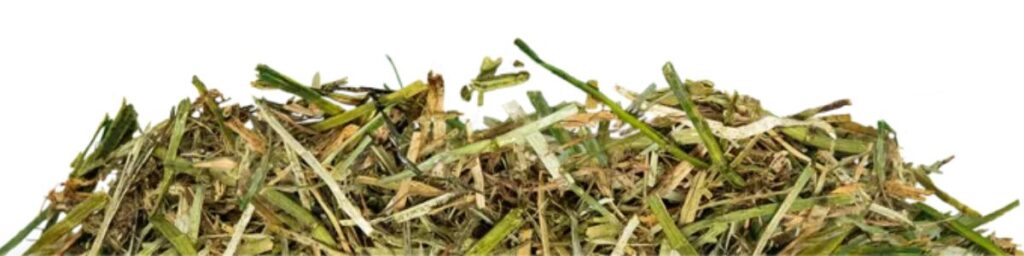
Lucerne is one of the highest-quality forage legumes available for sheep.
It provides excellent protein levels while supporting rapid lamb growth, milk production, and reproductive performance.
Because of its high nutritional value, lucerne is often conserved as hay for use during feed shortages.
Natural Pastures
Natural grazing lands remain important in many extensive Dorper production systems.
Improving natural pastures through controlled grazing, weed management, and reseeding can significantly increase forage availability without major investment.
Factors That Affect Pasture Productivity
Several environmental and management factors determine pasture performance.
Rainfall
Rainfall strongly influences forage growth.
Adequate moisture supports rapid pasture development, while prolonged drought reduces both forage quantity and nutritional quality.
Soil Fertility
Healthy soils produce healthier pastures.
Deficiencies in essential nutrients reduce forage production while lowering the nutritional value of grazing areas.
Regular soil testing helps farmers identify fertilizer and soil improvement requirements.
Grazing Pressure
The number of sheep grazing a pasture affects its ability to recover.
Excessive grazing pressure weakens plants, reduces root growth, and encourages weed invasion.
Maintaining appropriate stocking rates helps preserve pasture productivity over the long term.
Weed Competition
Weeds compete with desirable pasture species for moisture, sunlight, and nutrients.
Early weed control improves forage production while maintaining pasture quality for grazing sheep.
Rotational Grazing for Dorper Sheep
Among all pasture management practices, rotational grazing is one of the most effective methods for improving forage production while maintaining healthy grazing conditions.
Rather than allowing sheep to graze continuously on one pasture, rotational grazing divides grazing land into several paddocks. Sheep are moved between paddocks, allowing previously grazed areas sufficient time to recover before being grazed again.
This system provides several important benefits:
- Improves pasture regrowth.
- Maintains higher forage quality.
- Reduces overgrazing.
- Supports better growth performance.
- Improves feed conversion.
- Reduces soil erosion.
- Helps interrupt the life cycle of internal parasites.
The length of the grazing and rest periods depends on pasture growth rates, rainfall, stocking density, and seasonal conditions. During periods of rapid growth, paddocks may recover quickly, while drought conditions require longer rest periods.
Careful observation of pasture height should guide grazing decisions rather than relying solely on fixed grazing schedules.
Continuous Grazing vs Rotational Grazing
Choosing the appropriate grazing system has a significant influence on pasture productivity and flock performance.
| Feature | Continuous Grazing | Rotational Grazing |
|---|---|---|
| Pasture utilization | Lower | Higher |
| Forage quality | Declines over time | More consistent |
| Pasture recovery | Limited | Improved |
| Overgrazing risk | High | Lower |
| Internal parasite exposure | Higher | Lower |
| Stocking flexibility | Limited | Greater |
| Long-term pasture condition | Often declines | Better maintained |
Although continuous grazing requires less infrastructure, rotational grazing generally provides better long-term pasture performance and improved flock productivity.
Determining the Right Stocking Rate
Stocking rate refers to the number of sheep grazing a given area over a specified period.
Maintaining an appropriate stocking rate is essential because overstocking places excessive pressure on pasture while understocking may result in inefficient forage utilization.
Several factors influence the ideal stocking rate:
- Annual rainfall
- Soil fertility
- Pasture species
- Seasonal forage production
- Sheep size
- Production objectives
- Grazing management system
Farmers should regularly assess pasture availability and adjust flock numbers or supplementation accordingly rather than relying on fixed stocking rates throughout the year.
Maintaining flexibility helps preserve pasture health during droughts and periods of slow forage growth.
Preventing Overgrazing
Overgrazing occurs when sheep remove too much leaf material before pasture plants have fully recovered.
Repeated overgrazing weakens root systems, reduces forage production, encourages weed invasion, and exposes bare soil to erosion.
Signs of overgrazing include:
- Very short pasture height.
- Bare patches of soil.
- Slow pasture regrowth.
- Increased weed populations.
- Reduced forage availability.
- Sheep grazing extremely close to the ground.
Preventing overgrazing requires careful monitoring of pasture conditions rather than waiting until forage becomes scarce.
Moving sheep before pasture is excessively grazed allows plants to recover more rapidly while maintaining higher nutritional value.
Pasture Improvement Strategies
Even productive grazing land benefits from periodic improvement.
Pasture renovation increases forage yield while improving nutritional quality and carrying capacity.
Common improvement practices include:
Reseeding
Introducing improved grass and legume varieties helps replace unproductive pasture species.
Reseeding may be appropriate where pasture has become sparse because of drought, erosion, or prolonged overgrazing.
Fertility Management
Healthy soils support healthy pasture.
Applying fertilizers according to soil test recommendations helps maintain adequate nutrient levels while improving forage growth.
Organic manure can also improve soil structure and water-holding capacity.
Weed Control
Effective weed management prevents undesirable plants from competing with valuable forage species.
Control methods may include:
- Mechanical removal.
- Mowing.
- Controlled grazing.
- Herbicide application where appropriate.
Early intervention is generally more effective than attempting to control severe weed infestations later.
Conserving Surplus Forage
Periods of rapid pasture growth provide an opportunity to conserve excess forage for future use.
Surplus pasture can be harvested as:
- Hay
- Silage
Conserved forage provides valuable feed reserves during dry seasons when grazing becomes limited.
Water Management in Grazing Systems
Clean water is essential for maintaining healthy grazing sheep.
Water intake influences feed consumption, digestion, milk production, and overall flock health.
Sheep should have unrestricted access to clean drinking water regardless of grazing conditions.
Well-designed watering systems should:
- Minimize mud formation.
- Reduce contamination.
- Prevent overcrowding.
- Encourage uniform pasture utilization.
Distributing water points across grazing areas also reduces excessive grazing around a single location while improving pasture use.
Pasture Management and Internal Parasite Control
Pasture management plays a major role in reducing internal parasite burdens.
Most gastrointestinal parasites spend part of their life cycle on pasture before infecting grazing sheep. Poor grazing management allows parasite populations to build rapidly, increasing infection pressure throughout the flock.
Effective strategies include:
- Practicing rotational grazing.
- Avoiding severe overgrazing.
- Resting paddocks adequately.
- Separating young lambs from heavily contaminated grazing areas where practical.
- Maintaining appropriate stocking densities.
These practices reduce the number of infective larvae consumed during grazing while complementing strategic parasite control programmes.
Supplemental Feeding While Grazing
Even well-managed pasture may not supply sufficient nutrients throughout the year.
Supplementation becomes necessary during:
- Dry seasons.
- Drought.
- Late pregnancy.
- Lactation.
- Rapid lamb growth.
- Poor pasture quality.
Suitable supplements include:
- Lucerne hay
- Boma Rhodes hay
- Brachiaria hay
- Maize bran
- Wheat bran
- Maize germ
- Protein supplements
- Mineral supplementation
Strategic supplementation prevents excessive weight loss while maintaining body condition score and reproductive performance.
Seasonal Pasture Management for Dorper Sheep
Pasture productivity changes throughout the year as rainfall, temperature, and forage growth fluctuate. Adjusting grazing management to match seasonal conditions helps maintain healthy pastures while ensuring sheep receive adequate nutrition throughout the production cycle.
Pasture Management During the Rainy Season
The rainy season is usually characterized by rapid pasture growth. This period provides an excellent opportunity to build forage reserves while preventing excessive grazing pressure on newly established pasture.
During periods of abundant forage, farmers should:
- Practice rotational grazing.
- Avoid grazing newly established pasture too early.
- Control weeds before they produce seed.
- Fertilize according to soil test recommendations where appropriate.
- Harvest surplus forage for hay or silage.
Rapid pasture growth also requires regular monitoring because mature grasses quickly become less digestible if not grazed or harvested at the proper stage.
Pasture Management During the Dry Season
Dry seasons often reduce both pasture quantity and nutritional quality.
Without careful planning, sheep may lose body condition score as available forage becomes increasingly fibrous and less nutritious.
Farmers should prepare for dry periods by:
- Conserving hay during the rainy season.
- Producing silage where possible.
- Reducing grazing pressure.
- Supplementing with quality forage and concentrates.
- Prioritizing available pasture for breeding animals and growing lambs.
Early planning helps minimize production losses during prolonged feed shortages.
Pasture Management During Drought
Extended drought places significant stress on both pasture and livestock.
Overgrazing during drought can permanently damage pasture by weakening root systems and exposing bare soil to erosion.
During severe drought conditions, farmers should consider:
- Reducing stocking rates.
- Feeding conserved hay and silage.
- Protecting severely affected paddocks from grazing.
- Providing strategic supplementation.
- Maintaining reliable water supplies.
Allowing drought-stressed pastures time to recover improves long-term forage production once rainfall returns.
Fencing for Effective Grazing Management
Good fencing forms the foundation of controlled grazing systems.
Without reliable fencing, implementing rotational grazing becomes difficult, reducing the farmer’s ability to manage pasture recovery effectively.
Suitable fencing systems should:
- Safely contain sheep.
- Allow easy movement between paddocks.
- Protect newly established pastures.
- Exclude predators where necessary.
- Separate breeding groups when required.
Many commercial producers use electric fencing because it provides flexibility when subdividing paddocks while reducing fencing costs.
Regardless of the fencing system used, routine inspection and maintenance help prevent escapes and maintain grazing efficiency.
Water Point Management
Water availability influences grazing behavior as much as forage quality.
When water sources are poorly located, sheep tend to overgraze surrounding areas while underutilizing distant portions of the pasture.
Well-planned watering systems encourage more uniform grazing across the farm.
Effective water management includes:
- Providing clean drinking water at all times.
- Preventing mud around troughs.
- Repairing leaks promptly.
- Locating water points to improve grazing distribution.
- Cleaning troughs regularly.
Reliable water supplies also support better feed conversion, digestion, and overall flock health.
Pasture Management in Kenyan Dorper Sheep Farms
Kenya’s varied ecological zones require pasture management strategies that match local climatic conditions and forage resources.
In high-rainfall regions, rapid grass growth provides excellent grazing opportunities but also increases the need for pasture rotation to prevent mature, low-quality forage from accumulating. Farmers should also monitor internal parasite levels because warm, moist conditions favor parasite development.
In the arid and semi-arid lands (ASALs), pasture availability depends heavily on seasonal rainfall. Conserving forage during periods of abundant growth is essential for maintaining flock productivity during prolonged dry seasons.
Smallholder farmers can improve grazing systems by establishing improved fodder species such as Rhodes grass and Brachiaria while integrating fodder conservation into their annual farm plans.
Commercial Dorper enterprises often benefit from combining improved pastures, rotational grazing, strategic supplementation, soil fertility management, and forage conservation to maximize carrying capacity throughout the year.
Working with livestock extension officers and pasture specialists can help farmers identify suitable forage species and grazing systems for their local environments.
Common Pasture Management Mistakes Farmers Make
Poor grazing decisions often reduce pasture productivity long before visible signs of degradation appear.
Some of the most common mistakes include:
- Overstocking grazing paddocks.
- Allowing severe overgrazing.
- Practicing continuous grazing without rest periods.
- Ignoring soil fertility.
- Delaying weed control.
- Failing to conserve surplus forage.
- Providing too few watering points.
- Neglecting pasture renovation.
- Ignoring internal parasite management.
- Depending entirely on natural pasture throughout the year.
Avoiding these mistakes helps maintain productive grazing systems while reducing supplementary feeding costs.
Frequently Asked Questions
What is the best grazing system for Dorper sheep?
Rotational grazing is generally considered the most effective grazing system because it improves pasture recovery, maintains forage quality, reduces overgrazing, and helps lower internal parasite exposure.
How many paddocks are needed for rotational grazing?
The ideal number depends on farm size, stocking rate, pasture growth, and management objectives. Increasing the number of paddocks generally provides greater flexibility for pasture recovery.
How can overgrazing be prevented?
Overgrazing can be reduced by maintaining appropriate stocking rates, rotating sheep between paddocks, monitoring pasture height regularly, and allowing sufficient recovery before regrazing.
What pasture grasses are suitable for Dorper sheep?
Commonly used pasture species include Rhodes grass, Brachiaria, natural pasture, and legumes such as lucerne. The most suitable species depend on local climate, rainfall, and soil conditions.
Should Dorper sheep receive supplementary feed while grazing?
Yes. Supplementation is often necessary during dry seasons, drought, late pregnancy, lactation, rapid lamb growth, or whenever pasture quality declines.
How does pasture management affect internal parasites?
Good pasture management reduces exposure to infective larvae by encouraging rotational grazing, preventing severe overgrazing, maintaining appropriate stocking rates, and allowing paddocks to recover between grazing periods.
Conclusion
Effective pasture management for Dorper sheep is essential for maximizing growth performance, improving feed conversion, reducing feed costs, and maintaining healthy grazing land for future production. Well-managed pastures provide the nutritional foundation required for productive breeding ewes, fast-growing lambs, and efficient meat production while supporting long-term environmental sustainability.
Successful pasture management combines rotational grazing, appropriate stocking rates, healthy soil, productive forage species, reliable water supplies, strategic supplementation, and careful seasonal planning. Farmers should also integrate pasture management with internal parasite control, forage conservation, and regular monitoring of body condition score to ensure sheep receive adequate nutrition throughout the year.
By investing in sustainable grazing practices and adapting management to local climatic conditions, Dorper producers can improve pasture productivity, strengthen flock health, and build resilient sheep enterprises capable of delivering consistent performance and profitability year after year.