

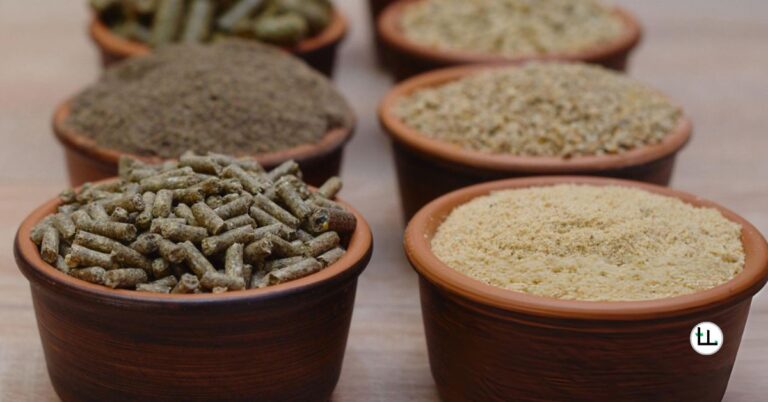
Dorper sheep supplementary feeding is an essential management practice that helps maintain flock productivity when pasture alone cannot meet the nutritional requirements of the animals. While Dorper sheep are efficient grazers capable of utilizing a wide variety of forage resources, seasonal feed shortages, poor pasture quality, pregnancy, lactation, rapid growth, and breeding all increase the demand for nutrients beyond what natural grazing can provide.
A well-planned supplementary feeding programme supports growth performance, improves feed conversion, maintains healthy body condition score, and enhances reproductive efficiency while reducing production losses during periods of nutritional stress. However, supplementation should complement grazing rather than replace it whenever quality pasture is available.
This guide explains when Dorper sheep require supplementary feeding, the best feed options for different production stages, feeding methods, seasonal supplementation strategies, and practical management practices that maximize flock performance.
Table of Contents
What Is Supplementary Feeding for Dorper Sheep?
Supplementary feeding involves providing additional nutrients to sheep when available pasture or forage cannot fully satisfy their nutritional requirements.
The objective is to bridge nutritional gaps rather than completely replace grazing. Supplementary feeds provide extra energy, protein, minerals, vitamins, or conserved forage during periods when natural pasture becomes insufficient.
Supplementation may be required for:
- Growing lambs
- Pregnant ewes
- Lactating ewes
- Breeding rams
- Newly weaned lambs
- Sheep recovering from illness
- Sheep grazing poor-quality pasture
Proper supplementation improves animal performance while helping farmers maintain production throughout the year.
Why Supplementary Feeding Is Important
Pasture quality changes with rainfall, temperature, grazing pressure, and plant maturity. Even productive grazing systems experience periods when forage alone cannot support optimal animal performance.
Strategic supplementation helps farmers:
- Improve growth performance
- Enhance feed conversion
- Maintain healthy body condition score
- Increase milk production
- Improve fertility
- Support healthy fetal development
- Strengthen immune function
- Reduce weight loss during feed shortages
Supplementary feeding also reduces the economic impact of droughts and seasonal pasture shortages by maintaining flock productivity when grazing conditions deteriorate.
When Do Dorper Sheep Need Supplementary Feeding?
Not every sheep requires supplementation throughout the year.
The need depends on forage availability, animal age, physiological stage, and production objectives.
Supplementation becomes especially important during periods of increased nutritional demand.
During the Dry Season
Dry seasons often reduce pasture quantity and quality.
As grasses mature and dry, their protein and energy content decline, making supplementation necessary to prevent weight loss and declining productivity.
Farmers commonly provide:
- Hay
- Silage
- Concentrate feeds
- Protein supplements
- Mineral supplementation
Planning ahead by conserving forage during the rainy season reduces dependence on expensive purchased feeds.
During Drought
Extended drought can severely limit pasture availability.
Supplementary feeding helps maintain breeding stock until pasture conditions improve.
Priority should be given to:
- Pregnant ewes
- Lactating ewes
- Growing lambs
- Breeding rams
Maintaining these priority groups protects future flock productivity.
During Late Pregnancy
The final six to eight weeks before lambing represent one of the highest nutritional demand periods in sheep production.
Rapid fetal growth significantly increases requirements for:
- Energy
- Protein
- Calcium
- Phosphorus
- Trace minerals
Failure to supplement adequately during this period may result in weak lambs, reduced colostrum production, poor milk yield, and pregnancy-related metabolic disorders.
During Lactation
Milk production requires substantial nutrient intake.
Even high-quality pasture may not fully satisfy the nutritional needs of lactating ewes nursing twins or rapidly growing lambs.
Supplementation during lactation supports:
- Milk production
- Lamb growth
- Ewe recovery after lambing
- Improved reproductive performance during the next breeding season
During Rapid Growth
Growing lambs require nutrient-rich diets to support muscle development and efficient feed conversion.
Where pasture quality declines, supplementary feeding helps maintain steady growth rates while reducing the time required to reach market weight.
Before the Breeding Season
Strategic supplementation before mating improves reproductive performance by helping sheep achieve the desired body condition score.
Breeding ewes may benefit from flushing, which involves increasing dietary energy several weeks before mating to support ovulation and conception.
Breeding rams also require balanced nutrition before joining the flock to maintain fertility, stamina, and overall breeding performance.
Best Supplementary Feeds for Dorper Sheep
Choosing the right supplementary feeds depends on the nutritional needs of the flock, the availability of local feed resources, and production objectives. A balanced supplementation programme should provide adequate energy, protein, fiber, minerals, and vitamins while complementing available pasture.
Energy Supplements
Energy is essential for maintenance, growth, reproduction, and milk production.
Common energy-rich supplements include:
- Maize bran
- Wheat bran
- Barley bran
- Maize germ
- Maize silage
- Super Napier silage
Energy supplements are particularly beneficial during drought, late pregnancy, lactation, and finishing lambs for market.
Protein Supplements
Protein supports muscle development, fetal growth, milk production, tissue repair, and immune function.
Common protein sources include:
- Lucerne hay
- Lucerne pellets
- Sunflower cake
- Cottonseed cake
- Canola cake
- Soybean meal
Growing lambs, breeding rams, and lactating ewes generally benefit most from protein supplementation.
Conserved Forages
Conserved forage provides valuable roughage when pasture production declines.
Common options include:
- Boma Rhodes hay
- Brachiaria hay
- Lucerne hay
- Grass hay
- Maize silage
- Super Napier silage
Harvesting surplus forage during the rainy season ensures feed is available when natural grazing becomes limited.
Mineral Supplements
Balanced mineral supplementation supports bone development, fertility, immune function, hoof health, and normal metabolic processes.
Farmers should provide:
- Mineral blocks
- Salt licks
- Loose mineral mixes
- Commercial sheep mineral supplements
Minerals should remain available throughout the year regardless of pasture conditions.
Supplementary Feeding for Growing Lambs
Growing lambs require nutrient-dense diets because they are converting feed into muscle, bone, and body tissue at a rapid rate.
Insufficient nutrition during this stage slows growth performance, delays finishing, and reduces future productivity.
A supplementary feeding programme for lambs should include:
- High-quality forage
- Adequate protein
- Balanced energy
- Continuous mineral supplementation
- Clean drinking water
Feed changes should always be introduced gradually to allow the rumen to adapt safely.
Supplementary Feeding for Pregnant Ewes
Pregnant ewes have increasing nutritional demands as pregnancy progresses.
During early pregnancy, pasture often supplies adequate nutrients under good grazing conditions. However, nutrient requirements rise sharply during the final trimester because most fetal growth occurs during this period.
Supplementary feeding helps prevent:
- Pregnancy toxemia
- Low birth weights
- Weak lambs
- Poor colostrum production
- Reduced milk yield
Suitable supplements include quality hay, energy concentrates, protein feeds, and balanced mineral mixtures.
Maintaining an appropriate body condition score before lambing improves both ewe health and lamb survival.
Supplementary Feeding for Lactating Ewes
Lactation is one of the most nutritionally demanding stages of sheep production.
Milk production requires substantial amounts of energy, protein, minerals, and water. Ewes nursing twins or fast-growing lambs often require additional supplementation even when grazing quality pasture.
Well-fed lactating ewes typically produce:
- Higher milk yields
- Faster-growing lambs
- Better weaning weights
- Improved post-lambing recovery
Providing supplementary feed immediately after lambing helps meet these increased nutritional demands.
Supplementary Feeding for Breeding Rams
Breeding rams require consistent nutrition throughout the year, with increased attention before the breeding season.
Several weeks before mating, supplementation should focus on maintaining:
- Good body condition score
- Muscle condition
- Fertility
- Stamina
- Immune function
Balanced diets containing quality forage, moderate energy, adequate protein, and mineral supplementation help maximize breeding performance.
Overfeeding should be avoided because excessive fat deposition may reduce reproductive efficiency.
How to Introduce Supplementary Feeds
Introducing new feeds too quickly may disrupt rumen function and increase the risk of digestive disorders.
New supplements should be introduced gradually over several days while monitoring sheep for changes in appetite, manure consistency, and general health.
When introducing supplementary feeds:
- Increase quantities gradually.
- Maintain access to quality forage.
- Ensure unlimited clean water.
- Avoid sudden dietary changes.
- Feed at consistent times each day.
Gradual adaptation allows rumen microorganisms to adjust safely to dietary changes.
Common Supplementary Feeding Methods
The feeding method should minimize waste while ensuring every sheep has adequate access to feed.
Common methods include:
Trough Feeding
Feed troughs reduce contamination and improve feed utilization.
Adequate trough space helps minimize competition, particularly among young lambs.
Self Feeders
Self feeders allow sheep continuous access to certain feeds while reducing labor requirements.
Proper management is necessary to prevent excessive feed consumption.
Group Feeding
Sheep may be grouped according to:
- Age
- Production stage
- Nutritional requirements
- Body condition
Grouping allows more efficient ration formulation while reducing unnecessary feeding costs.
Avoiding Overfeeding
More feed does not always result in better performance.
Excessive supplementation may lead to:
- Obesity
- Increased feeding costs
- Digestive disturbances
- Reduced fertility
- Wasted feed
Regular body condition scoring helps farmers determine whether current supplementation levels are appropriate.
Feeding programmes should always be adjusted according to animal performance rather than fixed feeding rates.
Seasonal Supplementary Feeding
Supplementary feeding requirements change throughout the year as pasture quantity and nutritional quality fluctuate. Planning supplementation according to seasonal conditions helps maintain flock productivity while controlling feeding costs.
Supplementary Feeding During the Rainy Season
During the rainy season, pasture growth is usually abundant and provides much of the flock’s nutritional requirements. However, lush pasture does not always supply sufficient nutrients for high-producing sheep such as lactating ewes or rapidly growing lambs.
Farmers should continue to monitor:
- Body condition score
- Lamb growth rates
- Milk production
- Pasture quality
Where necessary, provide strategic mineral supplementation and additional protein to breeding animals with higher nutritional demands.
Supplementary Feeding During the Dry Season
As pasture matures and dries, its digestibility and nutritional value decline.
Supplementation during this period helps maintain productivity by providing nutrients that grazing alone can no longer supply.
Suitable supplements include:
- Boma Rhodes hay
- Brachiaria hay
- Lucerne hay
- Maize silage
- Super Napier silage
- Maize bran
- Wheat bran
- Protein concentrates
Maintaining adequate energy intake during the dry season helps prevent excessive weight loss and declining reproductive performance.
Supplementary Feeding During Drought
Extended drought creates severe feed shortages that require careful feed planning.
Farmers should prioritize available feed resources for:
- Pregnant ewes
- Lactating ewes
- Growing lambs
- Breeding rams
Using conserved hay and silage reduces dependence on expensive emergency feeds while maintaining breeding stock until pasture recovers.
Water Management During Supplementary Feeding
Water becomes even more important when sheep consume dry feeds or concentrate supplements.
Adequate water intake supports:
- Digestion
- Feed utilization
- Milk production
- Temperature regulation
- Overall metabolism
Sheep should have unrestricted access to clean, fresh water throughout the day.
Water troughs should be:
- Cleaned regularly.
- Positioned to minimize mud.
- Easily accessible.
- Large enough to prevent overcrowding.
Reduced water intake often leads to lower feed consumption and poorer flock performance.
Monitoring Supplementary Feeding Success
A supplementary feeding programme should be evaluated regularly to ensure it is meeting production goals.
Farmers should monitor:
- Body condition score
- Weight gain
- Lamb growth rates
- Milk production
- Feed intake
- Reproductive performance
- Overall flock health
Recording these observations helps identify nutritional deficiencies before they affect productivity.
Adjustments should be based on animal performance rather than maintaining the same ration throughout the year.
Common Supplementary Feeding Mistakes Farmers Make
Poor supplementation practices can increase feeding costs without improving production.
Common mistakes include:
- Waiting until sheep become thin before supplementing.
- Introducing new feeds too quickly.
- Feeding poor-quality hay.
- Ignoring mineral supplementation.
- Providing insufficient clean water.
- Overfeeding concentrates while neglecting forage.
- Feeding all sheep the same ration regardless of production stage.
- Failing to conserve forage during periods of surplus.
- Ignoring regular body condition scoring.
Avoiding these mistakes improves feed efficiency while reducing unnecessary expenses.
Dorper Sheep Supplementary Feeding in Kenya
Supplementary feeding programmes in Kenya should reflect local pasture conditions, rainfall patterns, and available feed resources.
In high-rainfall counties, supplementation is often limited during periods of abundant pasture growth but becomes increasingly important during seasonal feed shortages or for breeding animals with higher nutritional demands.
In the arid and semi-arid lands (ASALs), prolonged dry seasons frequently reduce pasture availability. Farmers should prepare by conserving hay and silage during the rainy season while identifying locally available feed resources before shortages occur.
Smallholder producers can reduce feeding costs by integrating crop residues, planted fodder, and strategic concentrate supplementation while maintaining continuous access to mineral supplementation and clean water.
Commercial Dorper farms often combine improved pasture, conserved forage, concentrate feeding, and carefully balanced Total Mixed Ration (TMR) systems to maintain consistent productivity throughout the year.
Working with livestock nutritionists and extension officers allows farmers to formulate cost-effective supplementation programmes using locally available feed ingredients without compromising flock performance.
Frequently Asked Questions
When should Dorper sheep receive supplementary feed?
Supplementary feeding is most beneficial during the dry season, drought, late pregnancy, lactation, rapid lamb growth, before breeding, and whenever pasture quality cannot meet nutritional requirements.
What is the best supplementary feed for Dorper sheep?
The best supplements depend on production stage and available feed resources but commonly include quality hay, silage, maize bran, wheat bran, protein supplements, and balanced mineral supplementation.
Can Dorper sheep survive without supplementary feeding?
Healthy mature sheep may perform well on high-quality pasture alone during favorable seasons. However, growing lambs, pregnant ewes, lactating ewes, and breeding rams often require supplementation to achieve optimal productivity.
How often should supplementary feeds be offered?
Most supplementary feeds are provided once or twice daily, depending on the production system, feed type, and nutritional requirements of the flock.
Can supplementary feeding improve lamb growth?
Yes. Proper supplementation provides additional energy and protein, improving growth performance, feed conversion, and market readiness, particularly when pasture quality declines.
Should mineral supplements be provided all year?
Yes. Continuous access to mineral supplementation helps prevent deficiencies affecting growth, fertility, immunity, hoof health, and overall flock productivity.
Conclusion
Dorper sheep supplementary feeding is an essential management practice that helps bridge nutritional gaps when pasture alone cannot satisfy the needs of a productive flock. Strategic supplementation supports growth performance, improves feed conversion, maintains healthy body condition score, strengthens reproductive performance, and helps sheep remain productive during seasonal feed shortages and periods of increased nutritional demand.
An effective supplementation programme should combine quality forage, balanced energy, adequate protein, continuous mineral supplementation, and unrestricted access to clean water. Farmers should also adjust supplementation according to age, production stage, pasture quality, and seasonal conditions rather than applying a single feeding programme throughout the year.
By planning ahead, conserving forage, monitoring animal performance, and using locally available feed resources efficiently, Dorper producers can improve flock health, reduce production losses, and build profitable sheep enterprises capable of maintaining consistent performance throughout every season.