

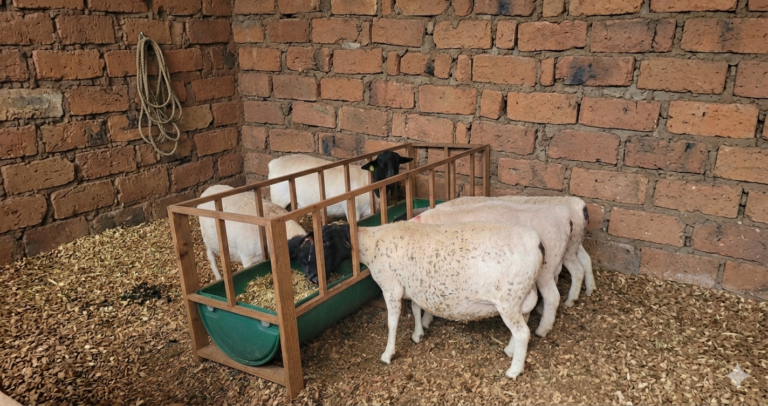
For anyone considering sheep farming, the search for a breed that delivers strong performance without excessive management often leads to the Dorper. Across commercial ranches and small family farms alike, producers frequently ask whether Dorper sheep are easy to raise compared to other meat and wool breeds. Their reputation for hardiness is well earned, but understanding what makes them farmer-friendly requires a closer look at their feeding, health, breeding, and management requirements.
Table of Contents
Why So Many Farmers Choose Dorper Sheep
A walk through Dorper-producing regions around the world reveals a common trend: farmers appreciate livestock that can perform consistently without demanding constant attention. Developed in South Africa under challenging environmental conditions, Dorpers were selected for resilience, adaptability, and productivity.
Those traits remain evident today. Whether raised in semi-arid grazing systems or more intensive operations, Dorpers often adapt more readily than many traditional sheep breeds.
Does Feeding Dorper Sheep Require Special Knowledge?
One of the breed’s biggest advantages is its ability to make efficient use of available forage. Dorper sheep are capable grazers and browsers, often utilizing vegetation that other livestock may overlook. This flexibility can help reduce feeding costs, particularly in extensive systems.
That said, successful producers still pay close attention to nutrition. Breeding ewes, growing lambs, and lactating mothers all have nutritional demands that must be met if the flock is expected to reach its full potential.
How Much Daily Care Do Dorper Sheep Need?
No sheep breed is entirely maintenance-free, but Dorpers generally require less routine labor than wool-producing breeds. Their shedding coat eliminates the need for annual shearing, which removes one of the most significant management tasks found in many sheep enterprises.
Daily observation remains important. Experienced farmers routinely check water supplies, grazing conditions, fencing, and animal behavior. Often, a few minutes spent identifying a problem early can prevent far larger challenges later.
Are Dorper Sheep Difficult to Keep Healthy?
Health management is where good farming practices matter more than breed selection. While Dorpers are widely recognized for their toughness, they are still vulnerable to parasites, disease outbreaks, nutritional deficiencies, and environmental stress.
Preventive Care Makes the Difference
Most successful Dorper operations rely on a combination of vaccinations, strategic deworming programs, regular body condition scoring, and veterinary support. These preventative measures are often far less expensive than treating major health problems after they occur.
A well-managed flock tends to reward farmers with lower mortality rates, healthier lambs, and stronger reproductive performance.
Why Breeding Dorpers Appeals to Many Producers
Reproduction is often where the breed truly shines. Dorper ewes are known for strong maternal instincts and the ability to raise vigorous lambs under practical farm conditions. Their extended breeding capability also offers greater flexibility than many traditional seasonal sheep breeds.
For producers focused on meat production, this reproductive efficiency can create opportunities to increase lamb output while maintaining manageable flock numbers.
What Equipment Is Needed to Raise Dorper Sheep Successfully?
Although the sheep themselves are relatively straightforward to manage, having the right infrastructure simplifies daily operations. Essential equipment typically includes water troughs, feed troughs, handling pens, gates, weighing scales, tagging equipment, drenching tools, and basic hoof-care supplies.
Larger enterprises often invest in livestock trailers, pasture management equipment, and improved handling facilities to reduce labor and improve efficiency. These investments frequently pay for themselves through better flock management and reduced stress on both animals and handlers.
Are Dorper Sheep a Good Choice for Beginners?
Many experienced sheep producers recommend Dorpers to newcomers because they combine practicality with strong production traits. Their adaptability allows beginners to focus on learning core management skills without facing some of the additional challenges associated with higher-maintenance breeds.
While success still requires commitment, record-keeping, and sound management decisions, Dorpers often provide a gentler learning curve than many alternatives.
Conclusion
Livestock rarely earn a global reputation by accident. The growing popularity of Dorper sheep stems from a combination of traits that farmers value: hardiness, fertility, efficient growth, and manageable day-to-day care. For producers willing to provide proper nutrition, preventative health care, and basic infrastructure, Dorpers can be among the most rewarding sheep breeds to own. They are not a shortcut to success, but they do remove many of the obstacles that make sheep farming more complicated than it needs to be.