

When evaluating a sheep breed, physical characteristics often influence management decisions just as much as production traits. Questions about horns frequently arise among prospective owners, particularly those planning to handle sheep regularly or operate smaller farms. As a result, many producers want to know whether Dorper sheep are polled and how common horned animals are within the breed.
Table of Contents
Are Dorper Sheep Naturally Polled?
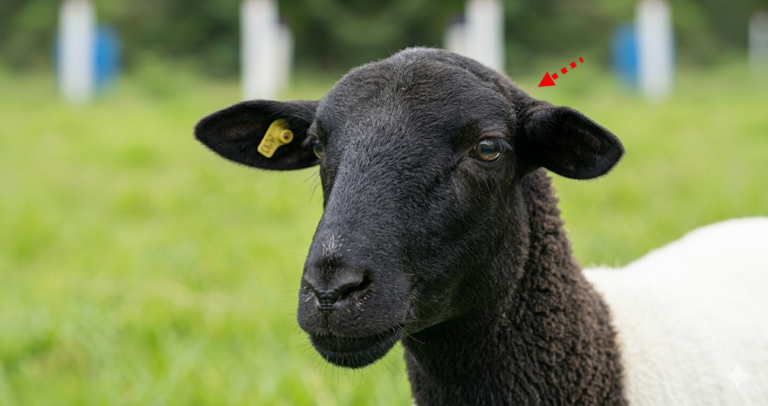
One of the most recognizable features of the Dorper breed is that the majority of animals are naturally polled, meaning they are born without horns. This genetic trait has long been favored by breeders because it simplifies management and reduces some of the challenges associated with horned livestock.
Today, most Dorper sheep found in commercial production systems are completely hornless, which aligns with the expectations of many producers and breed enthusiasts.
Are Dorper Sheep Horned or Polled?
Although Dorper sheep are widely recognized as a polled breed, not every animal will appear exactly the same. Occasionally, some sheep may develop scurs, which are small horn-like growths that differ from fully developed true horns.
These variations are generally linked to specific bloodlines and inherited horn genetics rather than representing the norm across the breed. For most practical purposes, however, Dorper sheep are considered predominantly polled.
Why Do Many Farmers Prefer Polled Sheep?
From a management perspective, polled sheep offer several advantages. Animals without horns are often easier to handle in pens, races, and transport systems. The absence of horns can also reduce the risk of injuries between flock members and minimize problems involving fences, feeders, and handling equipment.
For producers focused on efficient livestock management, these practical benefits often make polled animals the preferred choice.
Can Dorper Rams Grow Horns?
A common source of confusion involves mature rams that develop scurs or partial horn growth. While true horned Dorper rams are uncommon, minor horn development can occasionally occur in certain breeding lines.
When purchasing breeding stock, it is worth discussing horn characteristics with the breeder, particularly if maintaining a consistently polled flock is important to your breeding objectives.
Does Being Polled Affect Production Performance?
The presence or absence of horns has little influence on the production traits that have made Dorpers popular worldwide. Characteristics such as growth rate, fertility, adaptability, and carcass quality are generally far more important than horn status.
For this reason, experienced producers typically prioritize structural soundness, reproductive performance, and overall flock health ahead of horn characteristics when selecting replacement animals.
What Should Buyers Look for in Dorper Breeding Stock?
While many farmers prefer sheep that are naturally polled, successful animal selection involves evaluating a broader range of traits. Good breeding stock should exhibit strong conformation, sound feet and legs, healthy body condition, and proven productivity.
Working with reputable breeders who maintain accurate records can help ensure that purchased animals possess both desirable production traits and the horn characteristics suited to your management system.
Conclusion
In most farming situations, Dorper sheep are best described as a naturally polled breed. The vast majority of animals are born hornless, making them easier to manage and handle than many horned livestock breeds. Although scurs and occasional horn development can appear in certain bloodlines, these cases are relatively uncommon. For producers seeking practical, adaptable sheep with strong commercial traits, the Dorper’s predominantly polled nature remains one of its many attractive features.