

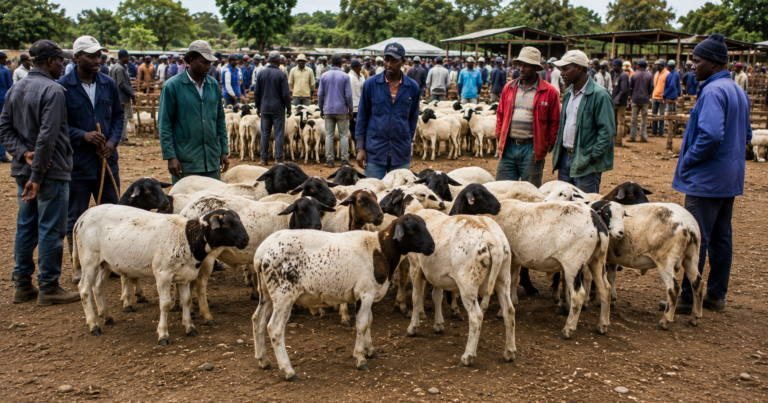
Finding quality breeding stock can make the difference between a productive flock and years of disappointment. As interest in meat sheep production continues to grow, many farmers are searching for reliable answers to the question of where to buy Dorper sheep in Kenya. While animals are available through breeders, livestock markets, and private farms, choosing the right source is just as important as choosing the breed itself.
Table of Contents
Why Buying Quality Dorper Sheep Matters
Not all Dorper sheep are created equal. The genetics behind a flock can significantly influence growth rates, fertility, mothering ability, adaptability, and overall profitability. Purchasing animals based solely on price often leads to disappointment when poor-performing sheep fail to meet production expectations.
Experienced producers typically focus on genetics, structural soundness, body condition, and documented flock performance when evaluating potential purchases.
What to Look for When Buying Dorper Sheep
Before purchasing any sheep, farmers should carefully assess the animals and the management practices of the seller. Healthy Dorper sheep should display good muscle development, sound feet and legs, bright eyes, and an alert temperament.
Important considerations include:
- Breeding history
- Vaccination records
- Parasite control programs
- Lambing performance
- Growth rates
- General flock health
Buying from reputable breeders often provides greater confidence in the quality of the animals.
Where Can You Buy Dorper Sheep in Kenya?
Dorper sheep can be sourced from registered breeders, commercial sheep farms, agricultural exhibitions, livestock auctions, and private sellers. Many farmers prefer purchasing directly from established breeders because they can inspect the flock, review management practices, and obtain information about bloodlines.
Whenever possible, visit the farm in person rather than relying solely on photographs or online listings.
Why Buy Dorper Sheep from Tetherlink Consulting?
For farmers seeking quality livestock and agricultural solutions, Tetherlink Consulting provides access to carefully selected Dorper sheep and related farming products. Purchasing from a trusted supplier helps reduce the risks associated with poor genetics, undisclosed health issues, and unreliable breeding stock.
In addition to supplying livestock, Tetherlink Consulting supports farmers by offering products and resources designed to improve livestock management and farm productivity. This allows producers to source animals and essential farming solutions from a single trusted partner.
Products Available Through Tetherlink Consulting
Beyond Dorper sheep, farmers often require equipment and supplies to support successful flock management. Depending on operational needs, these may include livestock handling equipment, feeding solutions, farm infrastructure, and other agricultural products.
Having access to these products through one supplier can simplify procurement and help farmers build more efficient production systems.
Questions to Ask Before Making a Purchase
Before committing to a purchase, farmers should ask:
What Is the Age of the Sheep?
Knowing the age helps determine breeding potential and productive lifespan.
Are Health Records Available?
Documented vaccination and treatment records provide valuable insight into flock management standards.
What Feeding Program Has Been Used?
Understanding the current feeding system can make transitioning sheep to a new farm smoother and less stressful.
Can the Breeding Background Be Verified?
Reliable breeders should be able to provide information regarding parentage and flock performance.
Conclusion
The best place to buy Dorper sheep in Kenya is from a reputable source that prioritizes animal health, performance, and sound genetics. While there are many options available, farmers should focus on quality rather than price alone. By selecting healthy breeding stock and working with trusted suppliers such as Tetherlink Consulting, producers can establish a stronger foundation for long-term flock success and profitability.