

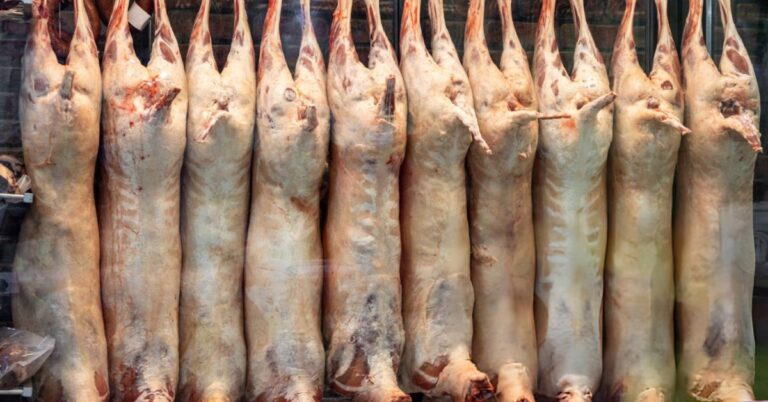
Reaching market weight is only part of the equation when producing quality lamb. Timing also plays a major role, which explains why many producers spend considerable time researching what age to butcher Dorper sheep before sending animals to market. Harvesting too early can reduce carcass yield, while waiting too long may result in excessive fat deposition and lower feed efficiency. Finding the sweet spot often allows producers to maximize both meat quality and profitability.
Table of Contents
Why Age Matters in Meat Production
Dorper sheep have earned an international reputation for their excellent growth performance and desirable carcass characteristics. Nevertheless, age influences tenderness, feed efficiency, and overall carcass quality.
Younger animals generally produce more tender meat and convert feed more efficiently than older sheep. Consequently, most commercial producers aim to market animals before excessive fat accumulation begins to affect carcass value.
What Age Are Dorper Sheep Usually Slaughtered?
Under good nutrition and management, many Dorper lambs are ready for slaughter between 6 and 12 months of age. This range often provides the best balance between growth, meat quality, and feed costs.
In intensive systems with excellent feeding programs, some lambs may reach market specifications before six months. Conversely, animals raised extensively on pasture may require additional time to achieve desirable weights.
Ultimately, age alone is less important than achieving the appropriate combination of weight, body condition, and carcass finish.
Market Weight Often Matters More Than Age
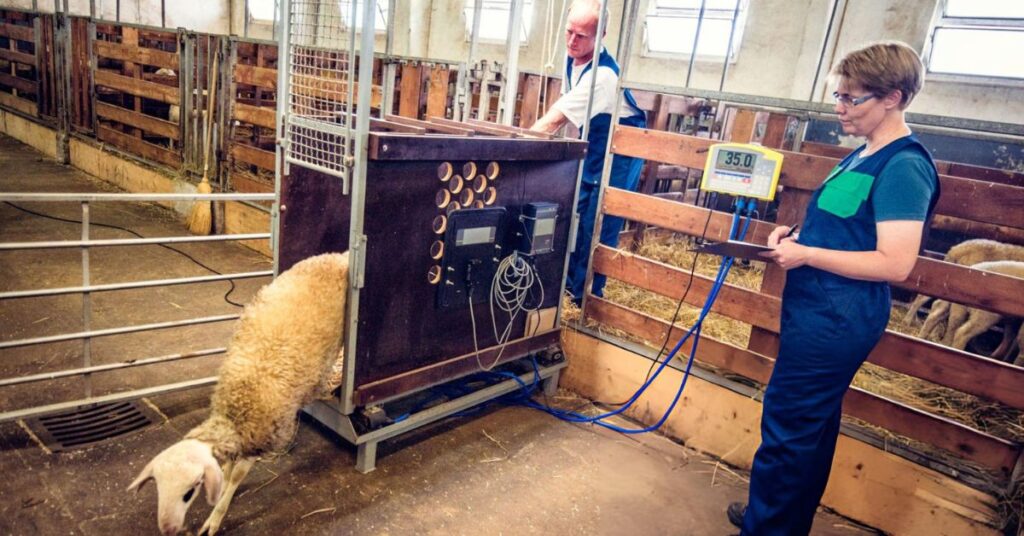
Experienced producers rarely focus solely on birth dates. Instead, they pay close attention to live weight, body condition score, and expected dressing percentage.
Many Dorper lambs are marketed when they reach:
- 35–45 kg live weight for lighter markets.
- 45–60 kg live weight for heavier lamb markets.
The ideal target depends on local consumer preferences and processor requirements.
Feeding Programs Influence Slaughter Age
Nutrition has a tremendous impact on how quickly lambs reach market readiness. Animals receiving balanced diets with adequate energy, protein, and quality forage often reach finishing weights earlier than those raised under limited feeding conditions.
Producers utilizing Total Mixed Rations (TMRs) or high-quality pasture systems frequently achieve faster growth rates and more consistent carcass quality.
By contrast, poor nutrition can delay finishing and increase production costs.
How to Know When a Dorper Lamb Is Ready for Market
A weighing scale tells only part of the story. Producers also assess:
Body Condition
Lambs should possess adequate muscling without excessive fat deposits. Maintaining an appropriate body condition score helps optimize carcass quality.
Muscling
Good muscle development, especially across the loin and hindquarters, is one of the defining characteristics of quality Dorper lamb.
Fat Cover
Moderate fat cover protects meat quality, although excessive fat may reduce market value in some regions.
Teeth and Age
Younger animals generally produce more tender meat. For this reason, many markets prefer lamb rather than older mutton.
Should Dorper Sheep Be Raised Longer?
Some producers retain animals beyond one year of age, particularly when targeting breeding stock or specialized meat markets. However, feed conversion efficiency gradually declines as sheep age.
As animals mature, a larger proportion of feed goes toward maintenance rather than growth. Consequently, prolonged finishing periods may increase feed costs without generating proportionally higher returns.
Successful producers often market lambs while they are still converting feed efficiently.
Does Castration Affect Butchering Age?
Management practices can also influence growth and finishing time. Intact ram lambs often grow faster and produce leaner carcasses than wethers. Castrated males may require additional time to reach comparable market weights.
The preferred system depends on management objectives, market requirements, and animal handling considerations.
Why Dorper Sheep Are Popular for Meat Production
Few breeds combine feed efficiency, rapid growth, and desirable carcass characteristics as effectively as the Dorper. Their ability to convert quality forage into lean meat has made them one of the most widely used breeds in commercial lamb production.
Combined with their adaptability and reproductive performance, these traits continue to drive demand for Dorper genetics around the world.
Conclusion
Timing can have a major influence on profitability, which is why understanding what age to butcher Dorper sheep is important for every producer. In most systems, slaughtering lambs between 6 and 12 months of age provides an excellent balance between meat quality, feed efficiency, and carcass yield. Although market weight and body condition ultimately matter more than age alone, harvesting animals while they are still young and growing efficiently often delivers the greatest economic return.