

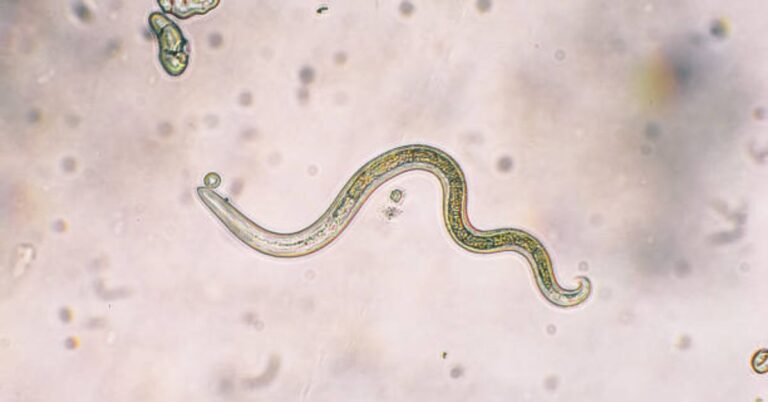
Internal parasites are among the most costly challenges facing sheep producers, especially in warm and humid environments where worm burdens can escalate rapidly. That reality explains why interest in whether are Dorper sheep parasite resistant continues to grow among farmers seeking hardy and productive breeds. While Dorpers have earned a reputation for resilience, parasite resistance is a complex trait, and understanding the difference between resistance, resilience, and immunity is essential for effective flock management.
Table of Contents
Are Dorper Sheep Naturally Resistant to Parasites?
Compared with many sheep breeds, Dorper sheep are often regarded as relatively hardy animals. Some studies and field observations suggest that certain Dorper bloodlines exhibit greater parasite resistance and parasite resilience than highly susceptible breeds.
However, resistance does not mean immunity. Dorper sheep can still become infected with internal parasites and may suffer reduced growth, poor fertility, anemia, and even death when infestations are severe.
Consequently, producers should view the breed’s hardiness as an advantage rather than a substitute for proper health management.
Understanding the Difference Between Resistance and Resilience
The terms resistance and resilience are frequently confused, yet they describe different traits.
Parasite Resistance
Parasite resistance refers to an animal’s ability to limit the establishment and reproduction of parasites within the body. Sheep possessing stronger resistance tend to shed fewer parasite eggs and carry lower worm burdens.
Parasite Resilience
Parasite resilience describes the ability to maintain acceptable productivity despite carrying parasites. A resilient sheep may continue growing and reproducing normally even when exposed to worm challenges.
Many Dorper sheep are believed to possess good resilience, allowing them to tolerate moderate parasite pressure better than some breeds.
Which Internal Parasites Affect Dorper Sheep?
Despite their reputation for hardiness, Dorpers remain susceptible to several important internal parasites, including:
- Haemonchus contortus (barber pole worm)
- Trichostrongylus
- Teladorsagia
- Nematodirus
- Coccidia
Among these, Haemonchus contortus represents one of the greatest threats because it feeds on blood and can rapidly cause severe anemia, weakness, and death, particularly in lambs.
Why Climate Plays a Major Role
Environmental conditions often influence parasite challenges more than breed alone. Warm temperatures and high humidity create ideal conditions for parasite larvae to survive and multiply on pasture.
As a result, producers in tropical and subtropical regions generally face greater parasite pressure than those operating in drier climates. Even sheep with superior genetics can experience serious infestations under unfavorable conditions.
Can Genetics Improve Parasite Resistance?
Not all Dorpers respond to parasites in the same way. Certain bloodlines demonstrate stronger natural resistance than others.
For this reason, some breeders incorporate fecal egg counts, performance records, and overall health traits into their selection programs. Over time, selecting animals that consistently perform well under parasite pressure can improve flock resistance.
Genetics alone, however, cannot eliminate the need for proper management.
What Management Practices Help Control Parasites?
Successful parasite control depends on combining several strategies rather than relying solely on deworming.
Rotational Grazing
Strategic rotational grazing helps reduce the buildup of infective larvae on pasture and interrupts parasite life cycles.
Selective Deworming
Modern parasite control increasingly favors targeted selective treatment, where only animals requiring intervention receive dewormers. This approach helps slow the development of anthelmintic resistance.
Nutrition
Adequate protein, energy, and mineral supplementation strengthen the immune system and improve the animal’s ability to cope with parasite challenges.
Monitoring
Regular fecal egg counts and use of the FAMACHA system allow producers to identify heavily affected animals before serious losses occur.
Are Dorper Lambs More Vulnerable?
Young animals generally have less developed immunity and are therefore more susceptible to parasites than mature sheep. Newly weaned lambs are particularly vulnerable because nutritional stress and changing diets can compromise their defenses.
Providing good nutrition, minimizing overcrowding, and maintaining clean pastures help reduce the risk of severe infestations during this stage.
Can Dorper Sheep Eliminate the Need for Deworming?
Some producers mistakenly assume that hardy breeds do not require treatment. In reality, no sheep breed is completely immune to parasites.
Even Dorper flocks with strong genetics may occasionally require anthelmintic treatment, especially during periods of heavy parasite challenge. The objective is not to eliminate dewormers entirely but to use them strategically and responsibly.
Conclusion
Strong adaptability has helped build the Dorper’s reputation, yet producers researching whether are Dorper sheep parasite resistant should recognize that resistance is relative rather than absolute. Many Dorpers display valuable levels of parasite resilience and may tolerate worm challenges better than some breeds, but they are far from immune. Through sound nutrition, rotational grazing, regular fecal egg counts, and strategic parasite control programs, producers can take advantage of the breed’s natural hardiness while protecting flock productivity and long-term health.