

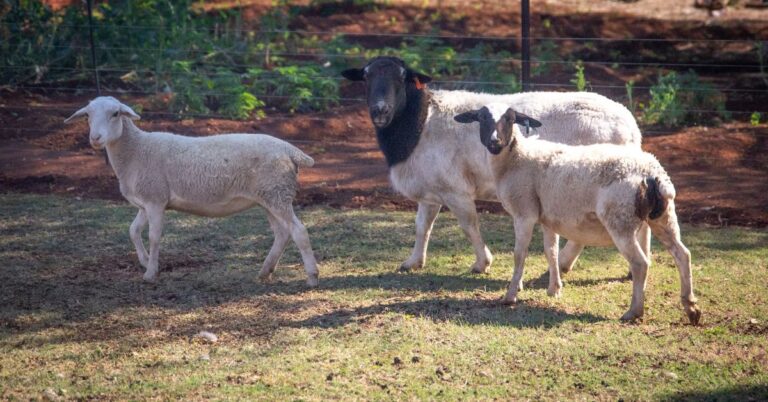
When most people think about Dorper sheep, meat production usually comes to mind first. Yet limiting the breed to a single product overlooks just how versatile these animals can be. Interest in understanding what do Dorper sheep produce has grown alongside the expansion of commercial sheep farming, and for good reason. Beyond lamb and mutton, Dorpers generate numerous products and by-products that contribute to farm income, soil fertility, and various manufacturing industries.
Table of Contents
Dorper Sheep Produce High-Quality Meat
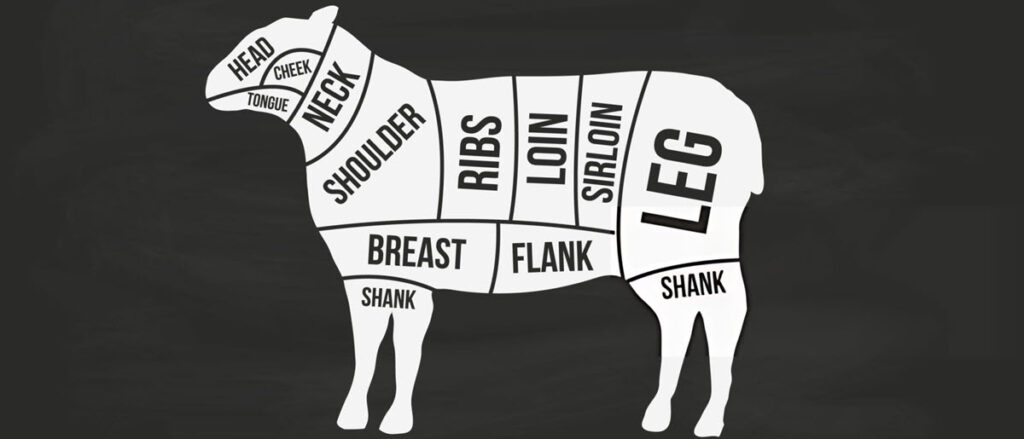
Few products are more closely associated with Dorpers than premium lamb. The breed is renowned for its excellent growth performance, favorable feed conversion efficiency, and superior carcass characteristics.
Products derived from meat production include:
- Lamb meat
- Mutton
- Roasts
- Chops
- Steaks
- Minced meat
- Sausages
- Processed meat products
- Export carcasses
Because of their lean carcasses and good muscling, Dorper sheep remain one of the world’s leading meat breeds.
Dorper Ewes Produce Milk
Although they are not classified as dairy sheep, Dorper ewes produce milk to nourish their lambs. Strong maternal traits and adequate milk production contribute significantly to lamb growth and survival.
In some smallholder systems, excess milk may occasionally be used for household consumption, although commercial milk production is not the primary purpose of the breed.
Dorper Sheep Produce Skins and Leather

The famous Dorper skin, often marketed internationally as Cape Glovers leather, is one of the breed’s most valuable by-products.
Processed skins are used to manufacture:
- Gloves
- Shoes
- Handbags
- Wallets
- Belts
- Jackets
- Upholstery materials
The strength and fine grain of Dorper leather make it highly valued in the leather industry.
Dorper Sheep Produce Wool and Hair
Although Dorpers are classified as hair sheep, they still possess some wool fibers. Most animals have a naturally self-shedding coat, meaning wool production is relatively limited compared with traditional wool breeds.
Products derived from the coat may include:
- Small quantities of wool
- Hair fibers
- Compost material
- Craft materials
For most producers, however, fleece production represents a minor by-product rather than a major source of income.
Dorper Sheep Produce Manure
Among the most valuable outputs often overlooked by livestock farmers is organic manure.
Dorper manure can be used for:
- Vegetable production
- Pasture improvement
- Crop farming
- Compost making
- Organic fertilizer production
- Vermiculture systems
Many mixed farming enterprises consider manure to be an important secondary product because it improves soil fertility and reduces fertilizer expenses.
Dorper Sheep Produce Breeding Stock
Genetics themselves represent a valuable product. Producers specializing in breeding programs often generate income through the sale of:
- Rams
- Ewes
- Stud animals
- Registered pedigree sheep
- Crossbreeding stock
- Replacement females
- Semen
- Embryos
Superior bloodlines and performance records can significantly increase the value of breeding animals.
Dorper Sheep Produce Hides, Horn Material, and Hoof By-Products
Several non-edible by-products originate from slaughter operations.
These include:
- Hides
- Hooves
- Bones
- Horn material in horned animals
- Tendons
- Collagen sources
Such materials may be utilized in:
- Gelatin production
- Animal feed ingredients
- Bone meal
- Handicrafts
- Pet chew products
Very little of the animal goes to waste in modern processing systems.
Dorper Sheep Produce Gut and Internal Organ Products
Internal organs and digestive materials have numerous commercial applications.
Edible organs include:
- Liver
- Heart
- Kidneys
- Tongue
- Tripe
Meanwhile, digestive tract by-products and waste materials can be processed into:
- Pet food ingredients
- Rendering products
- Blood meal
- Bone meal
- Compost
- Biogas production
Even rumen contents removed during slaughter may be composted and recycled into organic fertilizer.
Dorper Sheep Provide Ecosystem Services
Not every benefit comes in the form of a physical product. Dorper sheep also deliver valuable ecosystem services.
These include:
- Weed control
- Bush management
- Blackberry suppression
- Pasture utilization
- Fuel load reduction
- Fire risk management
- Vegetation management
Their natural browsing ability allows them to consume plants that many livestock species avoid.
Dorper Sheep Support Tourism and Education
In many regions, sheep generate income beyond agriculture itself.
Dorpers may contribute to:
- Agritourism enterprises
- Demonstration farms
- Agricultural training
- Youth livestock programs
- 4-H projects
- Research activities
- Breed exhibitions
Their calm temperament and attractive appearance make them popular educational animals.
Dorper Sheep Produce Income Opportunities
For commercial producers, the most important output may be profitability itself. Dorper enterprises can generate revenue from multiple streams simultaneously, including:
- Meat sales
- Breeding stock sales
- Leather production
- Organic fertilizer
- Skins
- Pet food ingredients
- Agritourism
- Genetic material
- Value-added meat products
This diversity helps explain why Dorper sheep have become one of the most economically important sheep breeds worldwide.
Conclusion
A Dorper sheep produces far more than lamb alone. From premium meat and valuable skins to organic manure, breeding stock, edible organs, and numerous industrial by-products, nearly every part of the animal can contribute value. Add in ecosystem services such as weed control and vegetation management, and it becomes clear why the breed continues to attract interest from commercial producers and smallholders alike. In modern livestock systems, Dorper sheep are not simply animals—they are multipurpose biological assets capable of supporting a wide range of agricultural enterprises.