

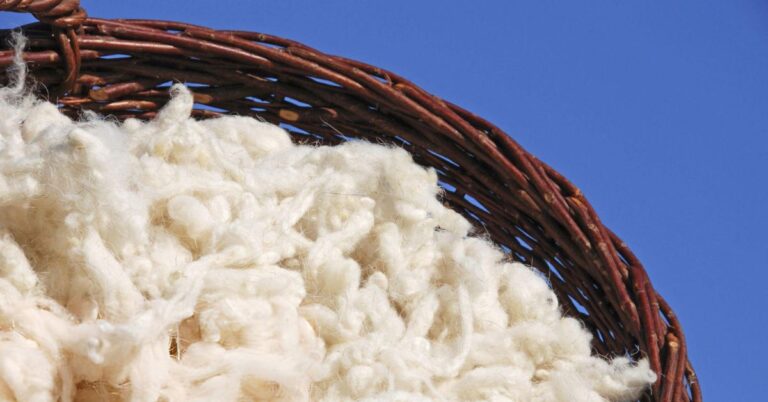
Mention wool sheep, and images of fine Merino fleece and high-end textiles often come to mind. That is why many producers are surprised to discover that Dorper sheep also produce wool, albeit in much smaller quantities. Curiosity about what is Dorper sheep wool used for has increased as the breed has expanded globally, particularly among smallholders looking to maximize the value of every part of the animal. Although wool is not the primary reason for raising Dorpers, the fibers still have practical uses.
Table of Contents
Do Dorper Sheep Produce Wool?
Despite being classified as hair sheep, Dorper sheep possess a mixture of hair and wool fibers. Their unique coat was developed to provide adaptability and reduce the need for annual shearing.
Most Dorpers have a naturally self-shedding coat, which means wool production is considerably lower than that of specialized wool breeds. As a result, fleece is usually viewed as a by-product rather than a major source of farm income.
Why Dorper Wool Is Not Used for Fine Textiles
The wool produced by Dorpers lacks the fineness, density, and uniformity required for premium textile manufacturing. Compared with breeds such as Merino, Dorper wool is generally coarser and contains a higher proportion of hair fibers.
Consequently, commercial spinning mills and textile manufacturers rarely rely on Dorper wool for producing luxury fabrics or high-quality garments.
Can Dorper Wool Be Used for Handcrafts?
Small quantities of fleece can still serve practical purposes. Hobbyists and artisans sometimes use Dorper wool for:
- Felting projects
- Handmade decorations
- Stuffing materials
- Rugs
- Craft products
- Educational demonstrations
Because the wool is relatively coarse, it is often better suited for utility applications than for clothing.
Is Dorper Wool Used for Compost?
Among small-scale producers, one of the most practical uses for discarded fleece is composting. Wool contains valuable nutrients and breaks down slowly, helping improve soil structure and moisture retention.
When added to compost piles, wool contributes:
- Nitrogen
- Organic matter
- Moisture retention capacity
- Soil conditioning properties
Some gardeners even bury wool directly in planting beds to improve water-holding capacity.
Can Dorper Wool Be Used as Mulch?
Gardeners occasionally use wool as a natural mulch around vegetables, fruit trees, and ornamental plants.
As the fibers decompose, they gradually release nutrients while helping:
- Suppress weeds
- Retain moisture
- Improve soil fertility
- Reduce temperature fluctuations
This approach provides an environmentally friendly alternative to synthetic mulching materials.
Is Dorper Wool Suitable for Insulation?
Coarse wool fibers possess natural insulating properties. In some regions, wool waste from various breeds is processed into environmentally friendly insulation materials for buildings.
Although Dorper wool rarely enters large-scale insulation markets, small quantities can contribute to:
- Thermal insulation products
- Soundproofing materials
- Packing materials
- Sustainable construction applications
Such uses help ensure that fleece by-products are not wasted.
Does Dorper Wool Have Value?
The economic value of Dorper wool is generally limited. Most producers derive their profits from meat production, breeding stock, skins, and leather rather than from fleece.
Because Dorpers possess a naturally self-shedding coat, many animals require little or no shearing, which further reduces the quantity of wool available for sale. Consequently, fleece income represents only a minor component of overall profitability.
Why Farmers Raise Dorpers Despite Limited Wool Production
The lack of significant wool income is rarely viewed as a disadvantage. Instead, many producers consider the reduced need for shearing a major benefit.
By eliminating annual wool harvesting, farmers save on:
- Labor costs
- Shearing expenses
- Equipment requirements
- Animal handling stress
These advantages contribute to the breed’s reputation as a practical and low-maintenance option for commercial meat production.
Conclusion
Interest in what is Dorper sheep wool used for often leads to an unexpected answer. While Dorper sheep do produce some wool fibers, their fleece plays only a minor role in the economics of the breed. Small amounts of wool may be used for crafts, compost, mulch, and insulation, but Dorpers are valued primarily for their growth performance, feed efficiency, and high-quality meat rather than for commercial wool production. In most operations, the coat is appreciated more for its convenience than for its market value.