

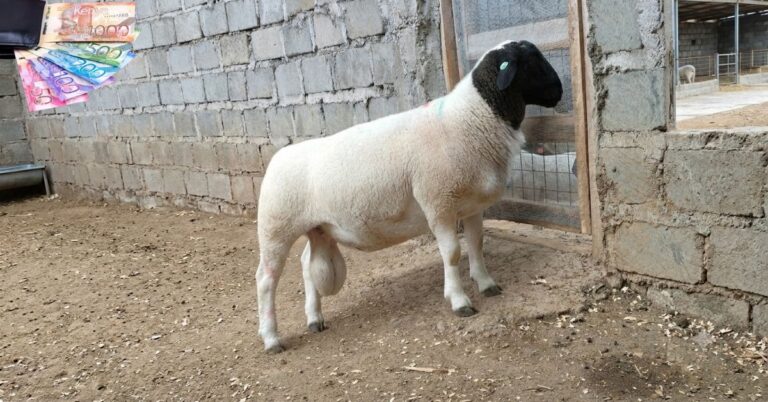
Few questions matter more to livestock producers than whether the animals they raise can generate sustainable returns. That is partly why interest in whether are Dorper sheep profitable continues to rise among both smallholders and commercial farmers. Renowned for their rapid growth, reproductive efficiency, and adaptability, Dorpers have established themselves as one of the world’s leading meat sheep breeds. Still, profitability depends on much more than breed alone, with management, feed costs, and market access playing equally important roles.
Table of Contents
Why Dorper Sheep Have Earned a Reputation for Profitability
Profitability in sheep farming is driven by a combination of production efficiency and market demand. Dorper sheep possess several characteristics that support both.
Among their strongest advantages are:
- Excellent growth performance
- Efficient feed conversion
- Strong maternal instincts
- High fertility
- Good lamb survival rates
- Desirable carcass characteristics
- Adaptability to diverse environments
- Reduced wool management requirements
These traits help producers achieve more kilograms of meat per unit of feed and labor.
Where Does the Income From Dorper Sheep Come From?
One of the breed’s greatest strengths lies in its multiple income streams. Producers are not limited to selling meat alone.
Common sources of revenue include:
- Market lambs
- Mutton
- Breeding rams
- Replacement ewes
- Registered pedigree stock
- Crossbred breeding animals
- Skins and leather
- Organic manure
- Value-added meat products
- Semen and embryos
Diversifying income sources often improves overall farm resilience.
Why Feed Costs Determine Profitability
No expense affects sheep enterprises more than feed. Although Dorpers are known for efficient utilization of forage, maximizing their genetic potential requires balanced nutrition.
Expenses may include:
- Grazing management
- Hay
- Silage
- Protein supplements
- Mineral supplements
- Concentrates
- Water infrastructure
Many successful producers focus on reducing feed costs through rotational grazing and strategic supplementation rather than relying entirely on purchased feeds.
Does Reproductive Performance Improve Returns?
Lamb production ultimately determines the number of animals available for sale. Dorper ewes are widely respected for their fertility and strong mothering ability.
Healthy flocks often benefit from:
- Good conception rates
- Strong maternal traits
- Excellent lamb survival
- Rapid lamb growth
- Early maturity
These characteristics allow producers to market more lambs and improve flock productivity over time.
Can Dorper Sheep Be Profitable in Kenya?
Across Kenya, Dorper sheep have gained popularity among both commercial producers and pastoral communities. Their adaptability has made them particularly attractive in several ASAL counties, where livestock production faces recurring droughts and seasonal feed shortages.
Counties such as Turkana, Marsabit, Samburu, Isiolo, Garissa, Wajir, Mandera, Tana River, Kitui, Makueni, Baringo, Kajiado, and Laikipia have witnessed increasing interest in the breed because of its ability to convert available feed resources into marketable products.
Under proper management, Dorpers can fit both intensive and extensive production systems.
What Costs Reduce Profitability?
Even highly productive sheep cannot overcome poor financial management. Common expenses include:
- Purchase of breeding stock
- Feed and supplements
- Veterinary services
- Vaccination programs
- Parasite control
- Labor
- Fencing
- Water systems
- Transport
- Marketing costs
Ignoring these expenses can quickly erode profits.
Are Pedigree Dorper Sheep More Profitable?
Premium genetics often require larger investments, yet they may also generate higher returns.
Registered animals can provide additional income through:
- Stud breeding programs
- Sale of breeding rams
- Sale of replacement females
- Genetic improvement
- Performance-based marketing
For producers with clear breeding objectives, quality genetics frequently deliver long-term value.
Why Management Matters More Than Breed
Successful sheep enterprises are rarely built on genetics alone. Management practices often determine whether a flock thrives or struggles.
Producers who focus on:
- Proper nutrition
- Effective parasite control
- Record keeping
- Controlled breeding
- Health management
- Market timing
generally achieve better financial outcomes than those relying solely on breed reputation.
How Long Does It Take to Become Profitable?
Sheep farming rewards patience. While some income may be generated within the first year, flock expansion and genetic improvement typically occur over several years.
Producers who retain replacement females and reinvest in flock development often experience increasing returns as the enterprise matures. Building a profitable operation is usually a gradual process rather than an overnight success.
Conclusion
Strong genetics, efficient growth, and multiple revenue streams have helped establish the Dorper as one of the most commercially attractive sheep breeds available. Producers researching whether are Dorper sheep profitable generally discover that the answer is yes, provided sound management accompanies good genetics. From meat production and breeding stock sales to skins and organic manure, Dorpers offer numerous opportunities for generating income. Ultimately, profitability depends less on the breed itself and more on the producer’s ability to manage feed, health, reproduction, and market access effectively.