

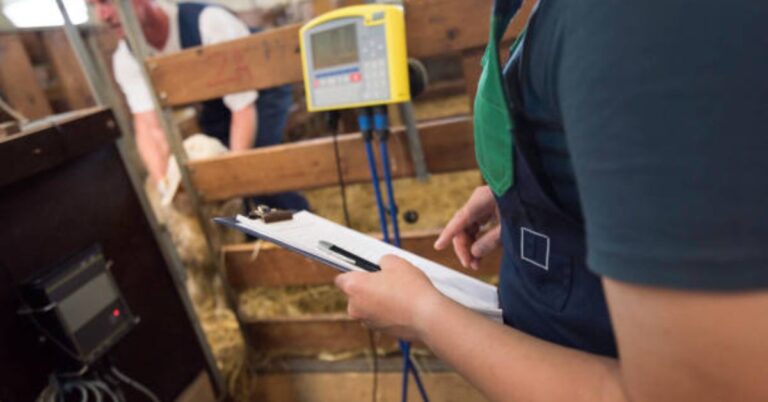
What do Dorper sheep weigh? This is one of the most common questions asked by both new and experienced sheep farmers because body weight is a key indicator of flock health, nutrition, breeding performance, and market readiness. Dorper sheep are a medium to large meat breed known for their rapid growth performance, efficient feed conversion, and excellent muscling. Under proper management, they achieve impressive mature weights while maintaining adaptability to a wide range of production systems.
Actual body weight varies according to genetics, nutrition, age, sex, health status, pasture quality, and overall management. A well-fed Dorper raised on high-quality forage with balanced supplementation will generally weigh considerably more than one raised under poor grazing conditions.
This guide explains the average weights of Dorper sheep from birth to maturity, the factors influencing body weight, expected growth rates, and practical management strategies for achieving healthy market weights.
Table of Contents
Average Weight of Dorper Sheep
Dorper sheep are recognized for their fast growth and solid body conformation.
Typical mature weights are:
| Class | Average Weight |
|---|---|
| Newborn lamb | 3–5 kg |
| Weaned lamb | 20–35 kg |
| Growing lamb (4–6 months) | 30–50 kg |
| Yearling | 45–70 kg |
| Mature ewe | 60–90 kg |
| Mature ram | 90–120 kg |
Some exceptional breeding rams raised under intensive commercial systems may exceed 120 kg, while outstanding animals occasionally reach 140 kg or more.
Birth Weight of Dorper Lambs
Healthy Dorper lambs are born with relatively strong birth weights compared to many other sheep breeds.
Birth weight depends on:
- Litter size
- Nutrition of the ewe
- Genetics
- Lamb sex
- Health during pregnancy
Single lambs usually weigh more than twins or triplets because they experience less competition for nutrients during pregnancy.
Maintaining adequate energy, protein, and mineral supplementation during late pregnancy helps produce healthy birth weights while improving lamb survival.
Weaning Weight
Weaning weight is one of the most important indicators of early lamb performance.
Under good management, Dorper lambs commonly weigh between 20 and 35 kilograms by the time they are weaned.
Weaning weight depends on:
- Milk production
- Creep feeding
- Pasture quality
- Overall flock health
- Internal parasite control
- Genetics
Higher weaning weights generally lead to better post-weaning growth performance and earlier market readiness.
Weight of Growing Dorper Lambs
After weaning, Dorper lambs continue growing rapidly when provided with balanced nutrition.
Growing lambs commonly gain weight through:
- Quality forage
- Balanced energy
- Adequate protein
- Continuous mineral supplementation
- Clean drinking water
Regular weighing helps farmers monitor performance and identify nutritional or health problems before they significantly affect productivity.
Mature Ewe Weight
Adult Dorper ewes generally weigh between 60 and 90 kilograms depending on genetics, nutrition, and body condition.
Breeding ewes should maintain an appropriate body condition score throughout the production cycle.
Proper nutrition supports:
- Fertility
- Pregnancy
- Milk production
- Lamb growth
- Future reproductive performance
Very thin or excessively fat ewes often experience reduced reproductive efficiency.
Mature Ram Weight
Mature Dorper rams are significantly heavier than ewes because of greater muscle development and larger skeletal size.
Healthy breeding rams commonly weigh between 90 and 120 kilograms.
Well-managed commercial breeding rams receiving excellent nutrition may exceed these averages.
Maintaining breeding rams in good condition improves:
- Fertility
- Libido
- Physical stamina
- Breeding performance
Balanced feeding should support muscle condition while avoiding excessive fat accumulation.
Factors That Affect Dorper Sheep Weight
Not all Dorper sheep grow at the same rate. Body weight is influenced by genetics, nutrition, health, environmental conditions, and overall management.
Understanding these factors helps farmers maximize growth performance while maintaining healthy and productive flocks.
Genetics
Genetics has a major influence on mature size and growth potential.
Lambs from superior breeding rams and productive ewes often demonstrate:
- Faster growth.
- Better feed conversion.
- Heavier mature weights.
- Improved carcass quality.
Selecting breeding animals with proven performance records gradually improves flock productivity over successive generations.
Nutrition
Nutrition is one of the most important factors affecting body weight.
Dorper sheep require balanced diets containing:
- Adequate energy
- High-quality protein
- Nutritious forage
- Continuous mineral supplementation
- Clean drinking water
Poor nutrition slows growth, reduces muscle development, and delays market readiness.
Pasture Quality
The quality and availability of pasture directly influence weight gain.
High-quality pasture provides:
- Better digestibility.
- Improved nutrient intake.
- Higher voluntary feed consumption.
- Faster growth performance.
Poor-quality pasture often requires supplementary feeding to maintain satisfactory growth.
Health Status
Healthy sheep utilize nutrients more efficiently than animals affected by disease.
Health problems that commonly reduce weight gain include:
- Internal parasites
- Pneumonia
- Foot rot
- Nutritional deficiencies
- Digestive disorders
Routine health monitoring and preventative flock health programmes help maintain steady growth.
Age
Body weight naturally increases as sheep mature.
Young lambs gain weight rapidly because nutrients are directed primarily toward muscle and skeletal development.
As sheep reach maturity, growth slows and more nutrients are used for body maintenance rather than additional weight gain.
Sex
Male Dorper sheep generally grow faster and become heavier than females.
Breeding rams develop:
- Larger muscles.
- Heavier frames.
- Greater mature weights.
Ewes remain lighter because more nutrients are directed toward reproduction and milk production.
Expected Growth Rate
Dorper sheep are among the fastest-growing meat breeds.
Growth rate depends on:
- Genetics.
- Nutrition.
- Health.
- Pasture quality.
- Management.
Under excellent conditions, healthy lambs maintain consistent weight gains from birth until market age.
Regular weighing enables farmers to monitor progress and identify animals that require additional attention.
How to Increase Dorper Sheep Weight
Healthy weight gain depends on balanced management rather than simply increasing feed quantities.
Farmers can improve body weight by:
- Providing high-quality forage.
- Supplying balanced energy and protein.
- Offering continuous mineral supplementation.
- Practicing rotational grazing.
- Implementing effective internal parasite control.
- Maintaining clean drinking water.
- Following routine vaccination programmes.
- Selecting superior breeding stock.
Combining these practices helps maximize feed conversion while reducing production costs.
Body Condition Score vs Body Weight
Body weight alone does not always indicate whether a sheep is in good condition.
Two sheep may weigh the same but have very different levels of body fat and muscle.
Body condition scoring evaluates the amount of muscle and fat covering key areas such as the backbone and loin.
Regular body condition score assessments help farmers:
- Monitor nutritional status.
- Adjust feeding programmes.
- Prepare ewes for breeding.
- Manage pregnancy nutrition.
- Improve lambing performance.
Using both body weight and body condition scoring provides a more complete assessment of flock health.
Weighing Dorper Sheep
Accurate weighing allows farmers to monitor flock performance and make informed management decisions.
Common weighing methods include:
Livestock Scale
Electronic livestock scales provide the most accurate measurements and are widely used on commercial farms.
Regular weighing helps monitor:
- Daily weight gain.
- Growth performance.
- Market readiness.
- Breeding performance.
Weigh Bands
Where scales are unavailable, specialized weigh bands provide approximate body weight estimates based on chest circumference.
Although less accurate than scales, they are useful for routine flock management.
Visual Assessment
Experienced farmers can estimate body weight visually.
However, visual estimates should not replace regular weighing because errors increase as sheep mature.
Common Mistakes That Reduce Body Weight
Poor management often prevents Dorper sheep from reaching their genetic growth potential.
Common mistakes include:
- Feeding poor-quality forage.
- Delaying supplementary feeding.
- Ignoring mineral supplementation.
- Overstocking grazing areas.
- Poor internal parasite control.
- Inadequate clean water.
- Delayed disease treatment.
- Poor breeding stock selection.
- Ignoring pasture management.
- Overcrowded housing.
Correcting these problems significantly improves flock productivity and market weights.
Dorper Sheep Weight in Kenya
Dorper sheep have become one of Kenya’s most popular commercial meat breeds because they achieve excellent market weights under a wide range of production systems.
Under improved management, Kenyan farmers commonly achieve excellent growth by combining:
- High-quality forage
- Strategic supplementary feeding
- Continuous mineral supplementation
- Effective internal parasite control
- Routine vaccination programmes
- Good pasture management
In high-rainfall counties, productive pasture often supports rapid weight gain with relatively modest supplementation.
In the arid and semi-arid lands (ASALs), supplementary feeding using hay, silage, crop residues, and concentrate feeds helps maintain body weight during prolonged dry seasons.
Commercial Dorper producers frequently use performance recording and regular weighing to identify superior breeding animals while monitoring flock productivity.
Weight Targets for Different Production Objectives
The ideal weight depends on the purpose for which the sheep is being raised.
Breeding Rams
Future breeding rams should prioritize:
- Structural soundness.
- Good muscling.
- Healthy body condition score.
- Strong growth performance.
- Excellent fertility.
Excessive fatness should be avoided because it may reduce breeding performance.
Breeding Ewes
Breeding ewes should maintain moderate body condition throughout the production cycle.
Maintaining appropriate weight supports:
- Fertility.
- Conception.
- Pregnancy.
- Milk production.
- Lamb survival.
Market Lambs
Lambs intended for meat production should maintain steady growth without excessive fat deposition.
Balanced nutrition improves:
- Carcass quality.
- Dressing percentage.
- Feed conversion.
- Market value.
Regular weighing helps determine the most profitable marketing time.
When Should Farmers Be Concerned About Weight Loss?
Unexpected weight loss often indicates an underlying management or health problem.
Farmers should investigate if sheep begin losing weight despite adequate feed availability.
Possible causes include:
- Poor-quality forage.
- Heavy internal parasite burdens.
- Pneumonia.
- Foot rot.
- Dental problems.
- Inadequate protein.
- Mineral deficiencies.
- Poor water availability.
- Heat stress.
- Chronic disease.
Early diagnosis and treatment help prevent major production losses.
How Often Should Dorper Sheep Be Weighed?
Regular weighing allows farmers to evaluate nutrition, health, and overall flock performance.
Recommended weighing intervals include:
- At birth.
- Before weaning.
- At weaning.
- Monthly during the growing period.
- Before breeding.
- Before marketing.
- Whenever health problems are suspected.
Keeping accurate weight records helps identify slow-growing animals while improving breeding decisions.
Record Keeping for Weight Management
Production records provide valuable information for improving flock performance.
Useful records include:
- Birth weights.
- Weaning weights.
- Monthly body weights.
- Average daily gain.
- Body condition score.
- Health treatments.
- Feed consumption.
- Breeding records.
Long-term records allow farmers to identify superior genetics while evaluating nutrition and management programmes.
Frequently Asked Questions
How much does a mature Dorper ram weigh?
Most mature Dorper rams weigh between 90 and 120 kilograms, although exceptional breeding animals raised under excellent management may exceed this range.
How much does a mature Dorper ewe weigh?
Healthy mature Dorper ewes generally weigh between 60 and 90 kilograms, depending on genetics, nutrition, age, and body condition.
How much does a Dorper lamb weigh at birth?
Most healthy Dorper lambs are born weighing between 3 and 5 kilograms, with single lambs often being heavier than twins or triplets.
How much should a Dorper lamb weigh at weaning?
Under good management, Dorper lambs commonly weigh between 20 and 35 kilograms at weaning, depending on age, nutrition, and overall flock management.
What affects the weight of Dorper sheep?
Body weight is influenced by genetics, nutrition, pasture quality, health, internal parasite control, mineral supplementation, water availability, and overall farm management.
How can farmers increase Dorper sheep weight naturally?
Farmers can improve body weight by providing high-quality forage, balanced energy and protein, effective rotational grazing, continuous mineral supplementation, routine health care, clean water, and selecting superior breeding animals.
Conclusion
Understanding what Dorper sheep weigh helps farmers monitor flock health, evaluate growth performance, and make informed management decisions throughout every stage of production. Although body weight varies according to genetics, age, sex, nutrition, and environmental conditions, healthy Dorper sheep are capable of achieving impressive market and breeding weights when managed correctly.
Maintaining optimum body weight requires more than simply providing enough feed. Farmers should combine high-quality forage, balanced energy, adequate protein, continuous mineral supplementation, effective internal parasite control, routine vaccination programmes, clean water, and sound pasture management to help sheep reach their full genetic potential. Regular weighing, combined with body condition scoring, allows producers to detect problems early and adjust feeding or health programmes before productivity declines.
Whether raising Dorper sheep for breeding or commercial meat production, consistent monitoring of body weight is one of the simplest and most effective tools for improving flock performance, increasing profitability, and building a sustainable sheep enterprise.