

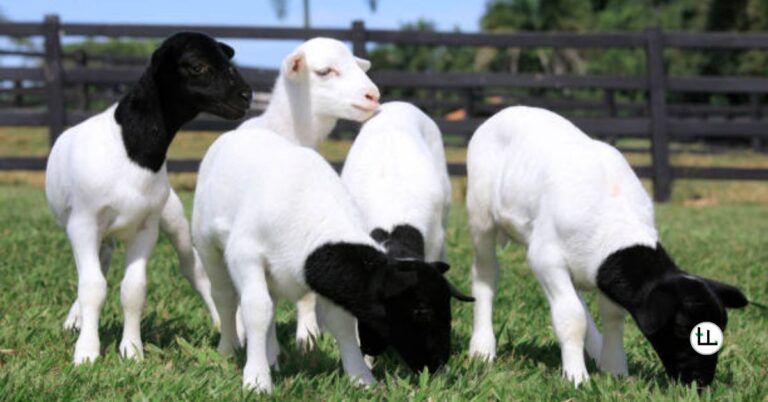
Weaning age for Dorper lambs is one of the most important management decisions in sheep production because it directly affects lamb growth, ewe recovery, flock productivity, and overall farm profitability. Weaning is the process of permanently separating lambs from their mothers so they transition completely from milk to solid feed. While Dorper lambs are naturally fast-growing and adaptable, weaning them too early or too late can reduce growth performance, increase stress, and negatively affect future productivity.
Determining the ideal weaning age depends on several factors, including lamb weight, health, nutrition, pasture quality, creep feeding, and production objectives. Successful weaning involves more than simply separating the ewe and lamb. It requires careful preparation, gradual nutritional changes, effective health management, and minimizing stress throughout the transition.
This guide explains the ideal weaning age for Dorper lambs, factors affecting weaning decisions, weaning methods, nutritional management, and practical strategies for ensuring healthy lamb development and strong post-weaning growth.
Table of Contents
What Is Weaning?
Weaning is the process of ending milk feeding by permanently separating lambs from their mothers and transitioning them to diets based entirely on forage, concentrates, and clean water.
During early life, ewe’s milk provides nearly all the nutrients required for growth and immunity. As lambs mature, however, milk production gradually declines while the lamb’s nutritional requirements continue increasing.
Successful weaning occurs when lambs are capable of meeting their nutritional needs through solid feed without compromising health or growth.
Why Proper Weaning Is Important
Proper weaning benefits both lambs and ewes.
For lambs, successful weaning supports continued growth performance, healthy rumen development, and efficient feed conversion.
For ewes, weaning allows recovery before the next breeding season by reducing the nutritional demands associated with milk production.
A well-managed weaning programme helps farmers:
- Improve growth performance
- Support efficient feed conversion
- Reduce weaning stress
- Improve ewe recovery
- Increase reproductive efficiency
- Produce more uniform lambs
- Improve flock management
- Reduce production costs
Careful planning minimizes setbacks while allowing both lambs and ewes to maintain good body condition score.
What Is the Ideal Weaning Age for Dorper Lambs?
Under normal production conditions, Dorper lambs are commonly weaned between 8 and 12 weeks of age.
The exact timing depends on several factors rather than age alone.
Lambs should be:
- Healthy
- Eating sufficient solid feed
- Actively grazing
- Drinking water independently
- Growing consistently
Well-developed lambs receiving creep feed often adapt more easily to earlier weaning than lambs relying almost entirely on milk.
Rather than focusing solely on age, farmers should assess whether lambs are nutritionally prepared to thrive without ewe’s milk.
Factors That Determine Weaning Age
Several factors influence the most appropriate weaning age.
Lamb Weight
Body weight is often a better indicator of weaning readiness than age alone.
Lambs that have achieved good growth performance and healthy body condition score generally tolerate weaning better than lighter lambs of the same age.
Regular weighing helps farmers identify lambs that are ready for weaning.
Solid Feed Intake
Lambs should already consume meaningful quantities of solid feed before separation from the ewe.
A good appetite for:
- Quality forage
- Creep feed
- Clean water
indicates the rumen has developed sufficiently for successful weaning.
Health Status
Only healthy lambs should be weaned.
Lambs suffering from illness, poor growth, heavy internal parasite burdens, or nutritional deficiencies may require additional time with their mothers before weaning.
Routine health monitoring before weaning improves long-term productivity.
Production System
The ideal weaning age varies according to:
- Intensive production
- Semi-intensive systems
- Extensive grazing
- Feedlot finishing programmes
Commercial meat producers may wean slightly earlier when high-quality creep feeding programmes are available, while extensive grazing systems often allow lambs to remain with their mothers slightly longer.
Early Weaning vs Late Weaning
Each approach offers advantages and disadvantages depending on management objectives.
Early Weaning
Earlier weaning may provide several benefits:
- Faster ewe recovery.
- Improved breeding efficiency.
- Reduced milk demand on the ewe.
- Greater feeding control.
- Earlier marketing opportunities.
However, early weaning requires excellent nutrition and careful management to prevent growth setbacks.
Late Weaning
Later weaning allows lambs additional time to benefit from ewe’s milk.
Advantages include:
- Reduced nutritional stress.
- Continued milk intake.
- Simpler management under extensive grazing systems.
However, prolonged lactation may reduce ewe body condition and delay preparation for the next breeding season.
Preparing Dorper Lambs for Weaning
Successful weaning begins several weeks before lambs are separated from their mothers.
Preparation allows lambs to develop the digestive system, eating habits, and immunity needed to thrive on solid feeds.
Farmers should gradually prepare lambs by:
- Introducing creep feeding.
- Providing high-quality forage.
- Ensuring unrestricted access to clean water.
- Offering continuous mineral supplementation.
- Monitoring body condition score.
- Completing recommended health treatments before weaning.
Proper preparation reduces stress while maintaining consistent growth performance.
The Importance of Creep Feeding Before Weaning
Creep feeding is one of the most effective ways to improve weaning success.
Allowing lambs access to nutritious concentrates while they are still nursing encourages rumen development and prepares them for life without milk.
Benefits of creep feeding include:
- Improved feed conversion.
- Higher weaning weights.
- Earlier rumen development.
- Reduced weaning stress.
- Faster post-weaning growth.
- Better flock uniformity.
Lambs familiar with concentrates before weaning usually resume eating quickly after separation from the ewe.
Best Weaning Methods
Several weaning methods can be used depending on farm size, labor availability, and production objectives.
Abrupt Weaning
Abrupt weaning involves completely separating lambs from their mothers on the selected weaning day.
This method is simple and widely practiced.
To reduce stress:
- Move ewes away from lambs rather than moving lambs to unfamiliar environments.
- Maintain the same feeding programme immediately after weaning.
- Minimize unnecessary handling.
Gradual Weaning
Gradual weaning reduces stress by progressively limiting nursing opportunities before complete separation.
Although more labor-intensive, gradual weaning may reduce behavioral stress in some flocks.
Fence-Line Weaning
Fence-line weaning allows lambs and ewes to see and hear one another while preventing nursing.
This method often reduces vocalization and separation stress during the first few days after weaning.
Feeding Dorper Lambs After Weaning
Nutrition immediately after weaning has a major influence on future productivity.
Recently weaned lambs should receive highly digestible feeds that encourage continuous intake.
Suitable feeds include:
- High-quality forage
- Lucerne hay
- Maize bran
- Wheat bran
- Maize germ
- Balanced protein supplements
- Continuous mineral supplementation
Feed changes should be introduced gradually to maintain healthy rumen function.
Providing fresh feed daily encourages consistent intake during the transition period.
Water Requirements After Weaning
Recently weaned lambs require unrestricted access to clean drinking water.
Water supports:
- Digestion.
- Nutrient absorption.
- Rumen development.
- Temperature regulation.
- Overall metabolism.
Poor water availability often reduces feed intake and slows growth performance.
Water troughs should be:
- Cleaned regularly.
- Easily accessible.
- Free from contamination.
- Large enough to prevent overcrowding.
Health Management During Weaning
Weaning is a stressful period that may temporarily reduce immunity.
Good health management minimizes disease while maintaining steady growth.
Important practices include:
- Routine health observation.
- Strategic internal parasite control.
- Appropriate vaccination programmes.
- Maintaining clean housing.
- Minimizing unnecessary handling.
- Separating sick lambs promptly.
Healthy lambs recover from weaning stress more quickly while maintaining efficient feed conversion.
Managing Ewes After Weaning
Proper management of the ewe is just as important as caring for the lamb.
After weaning, milk production gradually declines, allowing the ewe to recover body reserves before the next breeding season.
Farmers should:
- Reduce concentrate feeding gradually where appropriate.
- Monitor udder health.
- Observe for signs of mastitis.
- Maintain adequate body condition score.
- Continue providing balanced nutrition.
- Prepare breeding ewes for the next reproductive cycle.
Good post-weaning management improves conception rates and future lambing performance.
Common Weaning Problems
Several challenges may occur during weaning if preparation is inadequate.
Common problems include:
- Reduced feed intake.
- Temporary weight loss.
- Excessive vocalization.
- Slower growth performance.
- Digestive disturbances.
- Increased disease susceptibility.
- Stress-related behavior.
- Poor feed conversion.
Most of these problems can be minimized through proper creep feeding, gradual nutritional transitions, and good health management.
Weaning Age for Dorper Lambs in Kenya
The ideal weaning age in Kenya depends largely on rainfall patterns, pasture availability, feeding programmes, and the production system used by the farmer.
In high-rainfall counties with abundant pasture and effective creep feeding, lambs are often ready for weaning at the earlier end of the recommended range because they adapt more quickly to solid feeds.
In the arid and semi-arid lands (ASALs), prolonged dry seasons may reduce pasture quality and ewe milk production. Under these conditions, farmers should ensure lambs are consuming sufficient forage and supplementary feeds before weaning to prevent growth setbacks.
Smallholder farmers can improve weaning success by:
- Introducing creep feed early.
- Providing high-quality hay or pasture.
- Supplying continuous mineral supplementation.
- Ensuring unrestricted access to clean water.
- Monitoring lamb growth regularly.
Commercial Dorper producers often combine creep feeding, strategic supplementation, performance recording, and routine health management to achieve heavier weaning weights and more uniform lamb groups.
Working with livestock extension officers and veterinarians can help farmers determine the most appropriate weaning programme based on local pasture conditions and flock performance.
Common Weaning Mistakes Farmers Make
Many post-weaning problems result from poor preparation rather than the weaning process itself.
Common mistakes include:
- Weaning lambs too early.
- Waiting too long to wean healthy lambs.
- Failing to introduce creep feed before weaning.
- Making sudden feed changes.
- Providing poor-quality forage.
- Ignoring mineral supplementation.
- Weaning sick or underweight lambs.
- Allowing overcrowding after weaning.
- Providing inadequate clean water.
- Ignoring internal parasite control.
Avoiding these mistakes helps lambs maintain steady growth while reducing stress and production losses.
Frequently Asked Questions
What is the ideal weaning age for Dorper lambs?
Most Dorper lambs are successfully weaned between 8 and 12 weeks of age, provided they are healthy, growing well, and consuming sufficient solid feed.
Can Dorper lambs be weaned earlier than eight weeks?
Early weaning is possible under intensive production systems where lambs receive excellent creep feeding and management. However, lambs should only be weaned when they are physically and nutritionally ready.
What should Dorper lambs eat after weaning?
Recently weaned lambs should receive high-quality forage, balanced energy, adequate protein, continuous mineral supplementation, and unrestricted access to clean drinking water.
Does creep feeding improve weaning success?
Yes. Creep feeding encourages rumen development, increases weaning weights, improves feed conversion, and reduces stress during the transition from milk to solid feed.
Should lambs be dewormed before weaning?
Strategic internal parasite control should form part of the flock health programme. Farmers should follow veterinary recommendations based on local parasite pressure rather than deworming routinely without assessment.
How can farmers reduce weaning stress?
Stress can be reduced by introducing creep feed before weaning, maintaining consistent diets after separation, providing familiar surroundings, minimizing unnecessary handling, and ensuring lambs have continuous access to quality feed and water.
Conclusion
Determining the correct weaning age for Dorper lambs is essential for maintaining healthy growth performance, efficient feed conversion, and long-term flock productivity. While most lambs are successfully weaned between 8 and 12 weeks of age, the ideal timing depends on individual lamb development, solid feed intake, health status, and overall management rather than age alone.
Successful weaning requires careful preparation through creep feeding, gradual rumen development, balanced nutrition, effective health management, and minimizing stress during separation from the ewe. Farmers should also ensure that recently weaned lambs receive high-quality forage, adequate energy, sufficient protein, continuous mineral supplementation, and unrestricted access to clean drinking water to support uninterrupted growth.
Whether managing a smallholder flock or a commercial Dorper enterprise, implementing a well-planned weaning programme improves lamb survival, increases weaning weights, enhances ewe recovery before the next breeding season, and contributes significantly to the profitability and sustainability of modern sheep production.