

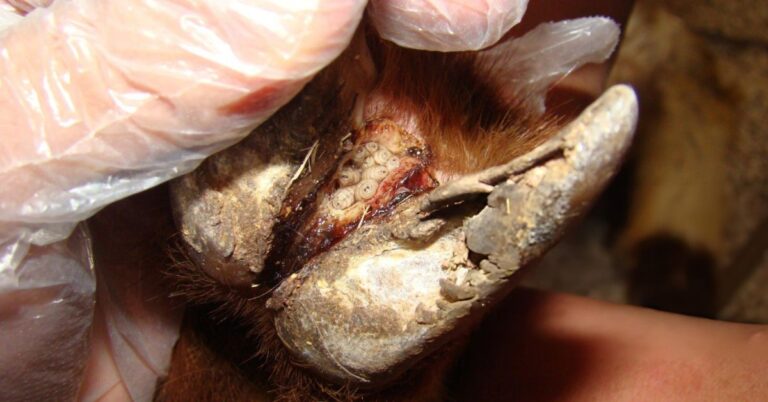
Foot rot in Dorper sheep is one of the most costly infectious hoof diseases affecting commercial and smallholder sheep farms. A single lame sheep may struggle to graze, lose body weight, and fall behind the rest of the flock, while an untreated outbreak can quickly spread through susceptible animals under favorable conditions. Although Dorper sheep are renowned for their adaptability, rapid growth, and ability to thrive in challenging environments, they are not immune to hoof diseases when moisture, poor sanitation, and infectious bacteria combine.
Understanding how foot rot develops is essential for maintaining a productive flock. Early recognition, prompt treatment, and effective prevention can significantly reduce production losses, improve animal welfare, and protect long-term flock profitability. This guide explains the causes of foot rot in Dorper sheep, how to identify the disease, available treatment options, and practical management strategies that help prevent future outbreaks.
Table of Contents
What Is Foot Rot in Dorper Sheep?
Foot rot is a contagious bacterial infection that affects the soft tissue between a sheep’s claws before progressing beneath the hoof wall. As the infection advances, it damages the tissues responsible for supporting the hoof, resulting in severe pain, lameness, and, in advanced cases, separation of the hoof horn.
Unlike injuries or simple hoof overgrowth, foot rot is an infectious disease capable of spreading rapidly throughout a flock. The disease flourishes when environmental conditions allow bacteria to survive long enough to infect healthy sheep. Wet soils, muddy paddocks, poorly drained housing, and prolonged rainfall create ideal conditions for transmission.
Dorper sheep often spend long hours grazing over extensive rangelands, making healthy feet essential for maintaining growth performance, efficient feed conversion, and good body condition score. Animals unable to walk comfortably spend less time grazing and more time resting, directly affecting meat production and reproductive performance.
Because foot rot is infectious rather than merely a hoof management issue, controlling the disease requires more than trimming overgrown feet. Effective control combines biosecurity, hoof hygiene, environmental management, and veterinary guidance.
What Causes Foot Rot in Dorper Sheep?
Foot rot develops when susceptible sheep are exposed to disease-causing bacteria under favorable environmental conditions. While hoof injuries and excessive moisture increase the risk, the disease itself results from bacterial infection rather than poor hoof shape alone.
The Bacteria Responsible
Two bacteria are primarily involved in the development of foot rot.
The first is Fusobacterium necrophorum, a bacterium commonly found in soil and manure. It typically infects damaged or softened skin between the claws, causing an initial inflammation often referred to as hoof scald.
The second is Dichelobacter nodosus, the bacterium responsible for true foot rot. Once introduced into damaged tissue, it produces enzymes that destroy the structures connecting the hoof horn to underlying tissue. This leads to painful separation of the hoof wall and progressive lameness.
Neither bacterium acts entirely alone. Fusobacterium necrophorum often creates the initial opportunity for infection, while Dichelobacter nodosus drives the more destructive stages of the disease.
Environmental Conditions That Encourage Infection
Environmental conditions play a major role in determining whether foot rot becomes established within a flock.
Common risk factors include:
- Prolonged rainfall
- Waterlogged grazing areas
- Muddy gateways
- Poorly drained sheep pens
- Overstocked paddocks
- Accumulated manure around feeding and watering points
- Irrigated pastures that remain consistently wet
When the skin between the claws remains wet for extended periods, it softens and becomes more vulnerable to bacterial invasion. Even healthy Dorper sheep become increasingly susceptible under these conditions.
Hoof Injuries Increase Risk
Small cuts, abrasions, thorn injuries, or cracks in the hoof provide bacteria with an entry point. Rough terrain, rocky paddocks, and neglected overgrown hooves can all contribute to minor damage that allows infection to begin.
Routine hoof inspections help identify these problems before bacteria establish themselves.
Introducing Infected Sheep
Many outbreaks begin after purchasing replacement breeding stock.
Apparently healthy sheep may carry Dichelobacter nodosus without showing obvious clinical signs. Introducing these carrier animals directly into the main flock allows the bacteria to spread, particularly during wet weather.
A proper quarantine period combined with hoof inspection and veterinary assessment greatly reduces this risk.
Nutrition Influences Hoof Strength
Poor nutrition does not directly cause foot rot, but it can weaken hoof quality and reduce resistance to infection.
Balanced diets supplying adequate protein, mineral supplementation, quality forage, and essential trace minerals support stronger hoof horn and faster tissue repair after minor injuries.
Healthy feet provide better protection against bacterial invasion than brittle or poorly developed hooves.
How Foot Rot Spreads Through a Flock
Foot rot spreads primarily through direct contact between infected and healthy sheep. Once infected animals contaminate the environment, bacteria can survive long enough under moist conditions to infect additional flock members.
The greatest risk occurs when sheep are closely grouped during wet seasons, lambing, handling, or overnight housing.
Common routes of transmission include:
- Direct contact with infected sheep
- Shared muddy grazing areas
- Holding yards
- Loading ramps
- Water points
- Feeding areas
- Contaminated handling races
- Hoof trimming equipment that has not been disinfected
- Shared footbaths with inadequate disinfectant strength
Large commercial flocks often experience faster disease spread because sheep interact more frequently. However, smallholder farms are equally vulnerable when infected animals are introduced without quarantine.
Environmental survival of Dichelobacter nodosus is relatively short compared with many livestock pathogens, yet this period is often sufficient to infect healthy sheep when moisture levels remain high.
Farmers should remember that apparently recovered animals may continue acting as carriers. Identifying and managing these chronic carriers is often the difference between eliminating foot rot and experiencing repeated seasonal outbreaks.
Early Signs of Foot Rot Every Dorper Farmer Should Recognize
Successful treatment begins with early detection. Sheep identified during the initial stages usually recover faster and cause less contamination within the flock.
The earliest symptom is often subtle lameness. A sheep may occasionally favor one leg, shorten its stride, or hesitate before walking across rough ground.
Other early warning signs include:
- Red, inflamed skin between the claws
- Moist or white tissue between the toes
- Mild swelling
- Warmth around the hoof
- Sensitivity when the foot is handled
- Reduced willingness to travel long distances
- Spending more time lying down
As discomfort increases, affected sheep may graze on their knees or remain behind the flock while moving between paddocks.
Another characteristic sign is an unpleasant odor developing around the infected hoof. This smell results from bacterial destruction of tissue and often appears before severe hoof separation becomes visible.
Routine flock inspections, particularly during rainy seasons, allow farmers to detect these early cases before they become major outbreaks.
Advanced Symptoms of Foot Rot in Dorper Sheep
When foot rot is not treated during its early stages, the infection progresses from the soft tissue between the claws into the structures supporting the hoof. At this point, the disease becomes significantly more painful, recovery takes longer, and affected sheep may never regain their previous level of productivity without intensive management.
One of the most recognizable signs of advanced foot rot is severe lameness. Some sheep refuse to bear weight on the affected foot, while others spend most of the day lying down rather than grazing. Rams may become reluctant to serve ewes during the breeding season, and lactating ewes often struggle to maintain adequate milk production because of reduced feed intake.
As the infection advances, the hoof horn begins separating from the underlying tissue. This creates pockets where bacteria continue multiplying, producing the characteristic foul-smelling discharge associated with foot rot. In severe cases, large portions of the hoof capsule may detach, exposing sensitive tissue beneath.
Farmers should watch for these advanced symptoms:
- Severe lameness affecting one or more feet
- Strong foul odor from infected hooves
- Separation of the hoof wall
- Swollen coronary band
- Moist, necrotic tissue between the claws
- Pus or discolored discharge
- Reluctance to stand or walk
- Rapid loss of body condition score
- Reduced appetite
- Poor growth performance in lambs
Because Dorper sheep are naturally active grazers, prolonged lameness has immediate consequences for flock performance. Animals spend less time grazing, consume fewer nutrients, and convert feed less efficiently. Over time, this leads to slower finishing rates, poorer carcass quality, and increased production costs.
Chronic infections may permanently damage the hoof, making some sheep recurring carriers even after apparent recovery.
Foot Rot vs. Hoof Scald: What Is the Difference?
Foot rot and hoof scald are closely related hoof diseases that are frequently confused. Although both cause lameness and involve infection between the claws, they differ in severity, progression, and long-term impact on flock health.
Hoof scald is generally considered the early or milder form of infection. It affects only the skin between the claws and usually responds quickly to improved environmental conditions and prompt treatment. Foot rot, however, extends beneath the hoof horn and progressively destroys supporting tissues if left untreated.
| Feature | Foot Rot | Hoof Scald |
|---|---|---|
| Primary cause | Dichelobacter nodosus with Fusobacterium necrophorum | Mainly Fusobacterium necrophorum |
| Area affected | Interdigital skin and hoof horn | Interdigital skin only |
| Hoof separation | Common | Rare |
| Foul odor | Strong | Mild or absent |
| Severity | Moderate to severe | Mild |
| Lameness | Often severe | Usually mild |
| Recovery time | Longer | Usually rapid |
| Risk of recurrence | Higher | Lower with proper management |
Accurately distinguishing between these conditions helps farmers choose appropriate treatment while preventing minor infections from progressing into serious outbreaks.
How Veterinarians Diagnose Foot Rot
Most cases of foot rot can be diagnosed through a thorough physical examination combined with knowledge of the flock’s recent management history.
A veterinarian will begin by observing affected sheep walking. The degree of lameness often provides valuable clues regarding disease severity before the hooves are examined.
Each affected foot is then carefully cleaned to expose the lesions. Typical findings include inflamed tissue between the claws, foul-smelling discharge, undermining of the hoof horn, and varying degrees of hoof separation.
Veterinarians also consider several important factors during diagnosis:
- Number of affected animals
- Recent rainfall or muddy conditions
- Introduction of replacement stock
- Previous history of foot rot
- Grazing management
- Housing conditions
In complicated cases, laboratory testing may be used to identify the bacteria involved, particularly where eradication programs are being implemented or when treatment failures occur.
Several other hoof problems can resemble foot rot and should be ruled out before treatment decisions are made. These include:
- Hoof abscesses
- White line disease
- Foot injuries
- Laminitis
- Foot scald
- Toe granulomas
- Foreign body penetration
Obtaining an accurate diagnosis early prevents unnecessary treatments and helps farmers implement the most effective control measures.
Best Treatment for Foot Rot in Dorper Sheep
Successful treatment depends on acting quickly. Mild infections treated early usually recover far more rapidly than chronic cases where extensive hoof damage has already occurred.
Treatment should focus on eliminating infection, reducing pain, preventing spread, and improving the environment where sheep are housed or grazed.
Isolate Infected Sheep
Immediately separate affected animals from the healthy flock.
Isolation reduces contamination of grazing areas while allowing close monitoring of recovery. Keeping treated sheep on dry, well-drained ground further improves healing.
Careful Hoof Trimming
Hoof trimming should be conservative.
Removing loose, detached hoof horn exposes infected tissue and allows disinfectants to reach affected areas more effectively. However, excessive trimming can damage healthy tissue, increase pain, delay healing, and create additional entry points for bacteria.
Many veterinarians now recommend trimming only obviously loose horn rather than aggressively reshaping every infected hoof.
Antibiotic Therapy
Moderate and severe cases often require veterinary treatment using appropriate antibiotics where indicated.
Farmers should always follow veterinary advice regarding product selection, withdrawal periods, and dosage schedules. Responsible antibiotic use helps reduce antimicrobial resistance while improving treatment success.
Footbaths
A properly managed footbath remains one of the most effective flock-level tools for controlling foot rot.
Common disinfectant solutions include:
- Zinc sulphate
- Copper sulphate
For maximum effectiveness:
- Remove excess mud before entry.
- Ensure sheep stand in the solution for the recommended contact time.
- Move treated sheep onto clean, dry ground afterward.
- Replace contaminated solutions regularly.
Dirty or diluted footbaths lose much of their effectiveness and may even contribute to disease spread.
Pain Relief and Supportive Care
Severely lame sheep benefit from veterinary-approved pain relief alongside treatment of the infection.
Providing easy access to clean water, quality forage, balanced mineral supplementation, and comfortable resting areas supports recovery by encouraging normal feeding behavior.
Improve Environmental Conditions
Medical treatment alone rarely eliminates foot rot if sheep continue living in muddy conditions.
Farmers should:
- Improve drainage around housing.
- Reduce mud accumulation near water troughs.
- Rotate heavily grazed paddocks.
- Avoid overcrowding.
- Keep handling facilities as dry as possible.
Combining environmental improvements with treatment significantly reduces reinfection.
Can Foot Rot Be Cured Completely?
Yes, many cases of foot rot can be cured when diagnosed early and managed correctly. Sheep receiving prompt treatment often recover fully without permanent hoof damage.
The greatest challenge comes from chronic infections. Some animals remain long-term carriers of Dichelobacter nodosus, even after visible lesions disappear. These carriers can silently reintroduce infection into the flock during favorable environmental conditions.
Complete eradication therefore depends not only on treating sick animals but also on maintaining strong biosecurity, quarantining new purchases, inspecting hooves regularly, and removing persistent carriers when necessary.
Farmers should continue monitoring recovered sheep for several weeks after treatment, especially during rainy seasons when conditions favor bacterial survival.
How to Prevent Foot Rot in Dorper Sheep
Preventing foot rot is considerably easier and less expensive than treating an outbreak after it has spread throughout a flock. Successful prevention relies on reducing bacterial exposure, maintaining healthy hooves, and creating conditions that discourage disease development. A well-managed prevention program also minimizes production losses, improves animal welfare, and reduces veterinary expenses.
While no single practice completely eliminates the risk of foot rot, combining several management strategies provides the most effective long-term protection.
Practice Strict Biosecurity
Biosecurity is the first line of defense against foot rot.
Many outbreaks begin when infected sheep are introduced into healthy flocks. Purchased breeding stock, replacement ewes, and borrowed rams should never be mixed immediately with resident animals.
A good quarantine program should include:
- Isolating new arrivals for at least two to four weeks
- Inspecting every hoof carefully
- Treating suspicious lesions before introduction
- Consulting a veterinarian if lameness is observed
- Monitoring animals daily during quarantine
These precautions significantly reduce the likelihood of introducing infectious bacteria into the flock.
Inspect Hooves Regularly
Routine hoof inspections allow farmers to identify early lesions before they develop into severe infections.
Sheep should be examined more frequently during wet seasons because prolonged moisture softens the skin between the claws and encourages bacterial invasion.
Regular inspections are particularly important for:
- Breeding rams
- Pregnant ewes
- Newly purchased sheep
- Animals recovering from previous infections
- Sheep returning from communal grazing
Early treatment often prevents an isolated case from becoming a flock-wide problem.
Improve Drainage
Foot rot thrives in wet environments.
Improving drainage around livestock facilities reduces the amount of time hooves remain exposed to moisture.
Priority areas include:
- Water troughs
- Feed bunks
- Handling races
- Loading ramps
- Sheep pens
- Gateways
Adding gravel, improving surface grading, or relocating heavily used feeding points can dramatically reduce mud accumulation.
Avoid Overstocking
Overstocked paddocks create muddy conditions while increasing direct contact between animals.
Providing adequate grazing space reduces environmental contamination and limits opportunities for disease transmission.
Good stocking rates also improve pasture utilization while supporting healthier grazing systems.
Maintain Clean Housing
Where sheep are housed overnight or during lambing, cleanliness becomes especially important.
Regular removal of manure and wet bedding reduces bacterial populations while keeping hooves drier.
Good ventilation further minimizes humidity, helping floors remain dry between cleanings.
Use Footbaths Strategically
Routine footbathing can reduce bacterial contamination when incorporated into an overall hoof health program.
Footbaths are particularly useful:
- Before breeding seasons
- During prolonged wet weather
- After returning from communal grazing
- Before introducing quarantined sheep into the flock
Footbaths should never replace proper treatment for clinically infected animals but serve as an additional preventive measure.
Cull Chronic Carriers
Some sheep experience repeated infections despite appropriate treatment.
These chronic carriers continue contaminating the environment and increase the risk of recurring outbreaks.
Commercial producers aiming for long-term flock health often remove persistently infected animals from breeding programs.
Nutrition That Supports Healthy Hooves
Nutrition alone cannot prevent foot rot because the disease is caused by bacteria. However, balanced feeding strengthens hoof structure, supports immune function, and promotes faster healing following minor injuries.
Healthy hooves begin with consistent nutrition rather than emergency supplementation after disease appears.
Provide Adequate Protein
Hoof horn consists largely of structural proteins.
Insufficient dietary protein may reduce hoof quality, delaying tissue repair and increasing susceptibility to cracking and injury.
Quality protein sources commonly used in sheep diets include:
- Lucerne hay
- Sunflower cake
- Cottonseed cake
- Canola meal
- Soybean meal
Balanced rations should always match the age and production stage of the flock.
Ensure Proper Mineral Supplementation
Several minerals contribute to healthy hoof development.
Particular attention should be given to:
- Zinc
- Copper (where appropriate and under veterinary guidance)
- Selenium
- Manganese
Deficiencies may reduce hoof strength and slow recovery following injury.
Providing a balanced mineral supplementation program is generally more effective than supplying individual minerals without first evaluating the overall diet.
Supply Quality Forage
Good-quality forage supports rumen health while supplying nutrients necessary for continuous hoof growth.
Suitable forage sources include:
- Rhodes grass hay
- Brachiaria hay
- Lucerne
- Natural pasture
- Conserved hay
Maintaining consistent forage availability also helps reduce nutritional stress.
Use Balanced Total Mixed Rations Where Appropriate
Commercial intensive systems often utilize a Total Mixed Ration (TMR) to provide consistent nutrient intake.
Properly formulated rations support:
- Healthy hoof growth
- Better feed conversion
- Improved growth performance
- Strong immune function
Smallholder farmers relying primarily on grazing should supplement strategically during dry seasons when pasture quality declines.
Provide Unlimited Clean Water
Adequate water intake supports every aspect of metabolism, including tissue repair and immune function.
Dirty water points also become muddy gathering areas where foot rot bacteria can spread more easily.
Keeping watering areas clean and well drained contributes to overall hoof health.
Seasonal Management Tips
The risk of foot rot changes throughout the year as weather conditions influence bacterial survival and hoof moisture.
Adjusting management practices seasonally helps reduce outbreaks.
Wet Season Management
Rainy periods create the greatest challenge for foot health.
During wet weather farmers should:
- Increase hoof inspections
- Improve drainage
- Move sheep from waterlogged paddocks
- Repair muddy gateways
- Use footbaths where appropriate
- Isolate lame animals immediately
Rapid intervention prevents widespread infection.
Dry Season Management
Although bacterial survival decreases during dry weather, hoof care should not be neglected.
The dry season provides an excellent opportunity to:
- Inspect every sheep
- Address chronic carriers
- Repair housing
- Improve drainage before rains return
- Review flock health records
Preparing ahead reduces disease pressure during the following rainy season.
Intensive Production Systems
Intensive farms require excellent sanitation because sheep remain in close contact.
Producers should prioritize:
- Dry bedding
- Good ventilation
- Frequent manure removal
- Regular hoof inspections
- Clean handling facilities
Semi-Intensive Systems
Semi-intensive operations combine grazing with housing.
Rotating grazing areas while maintaining clean overnight housing provides an effective balance between productivity and disease prevention.
Extensive Grazing Systems
Extensive Dorper production systems generally experience lower disease pressure because sheep are more dispersed.
However, problems may still develop around:
- Boreholes
- Dams
- Communal watering points
- Handling yards
Regular monitoring remains essential.
Economic Impact of Foot Rot on Commercial Dorper Farms
Foot rot affects much more than individual animals.
Lameness reduces grazing time, resulting in slower weight gain and poorer feed conversion. Finishing lambs may take longer to reach market weight, increasing feeding costs while delaying income.
Breeding performance also suffers. Rams experiencing painful feet often show reduced mating activity, while lame ewes may struggle to maintain adequate nutrition during pregnancy and lactation.
Additional financial losses include:
- Veterinary treatment costs
- Labor for handling sick animals
- Reduced market value
- Increased culling
- Lower flock productivity
- Delayed finishing of lambs
- Higher replacement costs
Although exact losses vary according to nutrition, genetics, climate, and management, preventing foot rot is consistently more economical than managing repeated outbreaks.
Foot Rot Management in Kenyan Dorper Sheep Farms
Kenyan Dorper producers face diverse environmental conditions ranging from humid highlands to the arid and semi-arid lands (ASALs). Consequently, foot rot management should be adapted to local production systems rather than applying a single approach nationwide.
In higher rainfall counties, persistent moisture creates ideal conditions for bacterial survival. Producers should prioritize drainage improvement, rotational grazing, and frequent hoof inspections during the rainy seasons.
In Kenya’s ASAL counties, prolonged dry periods naturally reduce disease pressure. However, outbreaks commonly occur shortly after seasonal rains when sheep congregate around newly established grazing areas and water sources. Monitoring should therefore increase immediately after rainfall rather than waiting until lameness becomes widespread.
Smallholder farmers practicing communal grazing should pay particular attention to quarantine procedures when introducing replacement stock. Shared grazing lands and communal handling facilities increase opportunities for disease transmission if infected animals enter the system.
Commercial ranches can strengthen control programs by combining routine hoof inspections with well-designed rotational grazing, strategic footbathing, accurate animal identification, and detailed health records. These practices make it easier to identify recurring cases and evaluate whether treatment programs are delivering long-term results.
Regardless of flock size, close collaboration with local veterinarians and livestock extension officers helps producers respond quickly to suspected outbreaks before substantial production losses occur.
Common Mistakes Farmers Make When Treating Foot Rot
Even well-intentioned treatment efforts can fail if important management practices are overlooked.
Common mistakes include:
- Waiting until lameness becomes severe before beginning treatment.
- Mixing infected sheep with healthy animals.
- Aggressively trimming healthy hoof tissue, causing unnecessary injury.
- Failing to disinfect hoof trimming equipment between animals.
- Using dirty or diluted footbaths.
- Ignoring chronically infected carrier sheep.
- Purchasing breeding stock without quarantine.
- Continuing to graze sheep on muddy, contaminated paddocks during recovery.
- Stopping treatment as soon as lameness improves rather than completing the recommended management program.
Avoiding these mistakes greatly improves treatment success while reducing the likelihood of recurring outbreaks.
Frequently Asked Questions
Is foot rot contagious?
Yes. Foot rot is a contagious bacterial disease that spreads through direct contact with infected sheep and contaminated environments, particularly under wet conditions.
Can lambs develop foot rot?
Yes. Lambs can become infected, especially when grazing with infected adult sheep or when housed in muddy conditions.
Can sheep recover without treatment?
Mild cases may improve if environmental conditions become dry, but most cases require prompt management to prevent progression and spread.
Should severely infected sheep be culled?
Chronically infected sheep that fail to respond to repeated treatment may need to be culled to protect the remainder of the flock.
How often should hooves be inspected?
Inspect hooves routinely throughout the year and increase inspection frequency during rainy seasons or whenever lameness is observed.
Does vaccination help prevent foot rot?
Vaccination may be included in foot rot control programs in some regions, depending on vaccine availability and veterinary recommendations. It should complement—not replace—good biosecurity, hoof care, and environmental management.
Can foot rot return after treatment?
Yes. Reinfection is possible if carrier animals remain in the flock or sheep continue grazing contaminated, wet environments.
Conclusion
Foot rot in Dorper sheep is a contagious disease capable of reducing flock productivity, compromising animal welfare, and increasing production costs when left unmanaged. Fortunately, most outbreaks can be controlled through early detection, prompt treatment, improved environmental management, and strong biosecurity practices.
Routine hoof inspections, well-maintained grazing areas, balanced nutrition, and careful quarantine of new stock all contribute to healthier feet and a more productive flock. Farmers should also recognize that successful control extends beyond treating visibly lame sheep. Identifying chronic carriers, maintaining clean housing, improving drainage, and working closely with veterinary professionals are equally important for long-term success.
By adopting a comprehensive hoof health program rather than relying on treatment alone, Dorper producers can reduce the incidence of foot rot, protect flock performance, and support sustainable sheep production in both commercial and smallholder farming systems.