

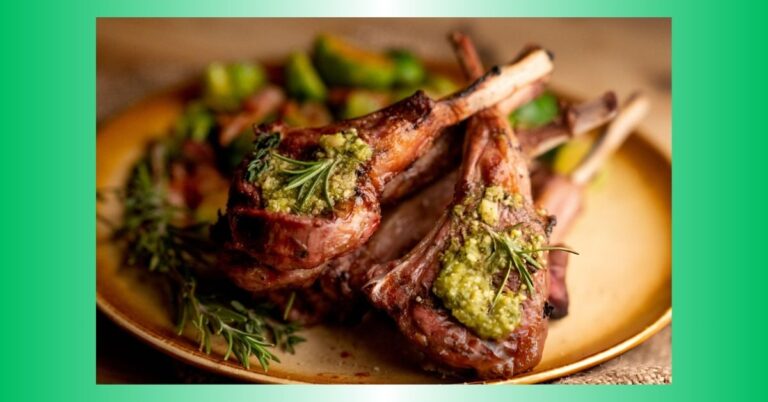
If you’ve raised Dorpers or bought one from a local producer, the question eventually comes up at the dinner table: how does it actually taste? Flavor is one of the most practical reasons farmers and buyers choose one breed over another, and Dorper sheep have built a strong reputation in that department. Whether you’re evaluating them as a producer targeting direct-to-consumer sales or a farmer feeding your own family, understanding what Dorper sheep taste like — and why — is worth knowing before you commit to a breed or a purchase.
What Does Dorper Lamb Taste Like?
Dorper lamb is mild, clean, and slightly sweet — notably less gamey than many traditional wool breeds. The flavor comes across as approachable, which matters in markets where consumers are unfamiliar with lamb. Pasture-finished Dorper lambs typically develop a light, grassy undertone without the strong lanolin-influenced taste that puts some people off mutton-style cuts. Younger lambs harvested between 90 and 150 days tend to produce the most tender, delicately flavored meat, though diet and finishing method play a significant role in the final result.
What Does Dorper Mutton Taste Like?
Dorper mutton carries more depth than lamb but remains considerably milder than mutton from wool breeds. Older animals — ewes past their productive years or rams culled from the breeding program — still yield flavorful, usable meat without the sharp, heavy flavor that makes some consumers avoid mutton altogether. In ethnic markets, particularly those serving Middle Eastern and African communities, Dorper mutton is well-regarded precisely because of this balanced flavor profile. Slow cooking methods — braising, stewing, or low-and-slow roasting — bring out the best in older Dorper carcasses.
Do Dorper Sheep Taste Good?
Straightforwardly, yes — and that’s not just producer bias. Dorpers have gained consistent traction in direct-farm-sale and farmers’ market channels because repeat buyers come back. The breed’s hair sheep genetics eliminate the lanolin-heavy flavor compounds associated with wool breeds, and the natural fat distribution in the carcass contributes to juiciness without excessive greasiness. That said, flavor is never purely a breed question. Forage quality, finish condition, harvest age, and post-harvest handling all influence what ends up on the plate. A well-managed Dorper finished on quality pasture or a light grain supplement will consistently outperform a poorly managed one, regardless of genetics.
Are Dorper Sheep Good for Eating? Flavor and Nutritive Value
Dorper sheep are an excellent eating animal, and the case holds up on both taste and nutritional grounds.
Flavor: As covered above, the meat is mild, tender when harvested young, and versatile across cooking styles — grilling, roasting, braising, and ground preparation all work well. The fat-to-lean ratio in a well-finished Dorper carcass supports good flavor without heaviness.
Nutritive Value: Lamb and mutton from Dorper sheep provide a strong nutritional profile. Sheep meat is a complete protein source, supplying all essential amino acids. It is notably rich in zinc, iron (primarily heme iron, which is highly bioavailable), vitamin B12, and niacin. The fat in lamb contains a meaningful proportion of conjugated linoleic acid (CLA), a fatty acid associated with several health benefits in nutritional research. Compared to grain-finished beef, grass-finished lamb — including Dorper — tends to carry a more favorable omega-3 to omega-6 ratio, though this varies with finishing method.
For producers selling direct, these nutritional talking points resonate with health-conscious consumers and add real marketing value to your Dorper operation.
Conclusion: Flavor Is One More Reason to Raise Dorpers
What does Dorper sheep taste like? Mild, clean, and genuinely good — across both lamb and mutton cuts. It’s a breed that works as hard at the table as it does on the pasture. For farmers building a direct-sales program or simply putting quality meat in their own freezer, the Dorper delivers a product that’s easy to sell and easier to eat. Pair solid genetics with good nutrition and proper finishing, and you’ll have a carcass that speaks for itself.