


Whether you’re sourcing your first breeding stock or expanding an established Dorper flock, understanding the correct terminology matters. Misidentifying a “ready to serve” ram or confusing an ewe lamb with a mature ewe can lead to costly breeding mistakes. These definitions are concise, practical, and grounded in how commercial Dorper producers actually use these terms on the ground.
What Is a Dorper Ewe?
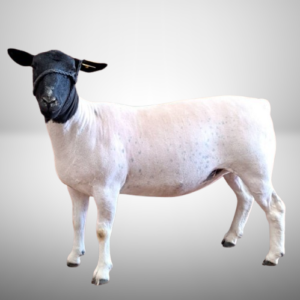
A Dorper ewe is an intact female of the Dorper breed — meaning she has not been spayed. She is capable of reproduction and serves as the productive backbone of any commercial Dorper operation. Ewes are valued for their maternal instincts, adaptability to harsh conditions, and ability to produce fast-growing lambs with minimal input.
What Is a Mature Dorper Ewe?
A mature Dorper ewe is a fully grown female, typically 18 months of age or older, that has reached her adult body weight and frame. At maturity, a Dorper ewe generally weighs between 70 and 90 kg, though this varies with genetics and nutrition. She is considered fully productive and best suited for breeding, having already cycled and, in most cases, lambed at least once.
What Is a Pregnant Dorper Ewe?
A pregnant Dorper ewe is a ewe confirmed in-lamb following successful mating. Gestation in Dorpers averages approximately 147 days. During pregnancy, nutritional management becomes critical — especially in the final six weeks when lambs undergo rapid development. Farmers should monitor body condition score closely, as under-conditioned ewes are prone to pregnancy toxaemia and poor lamb birth weights.
What Is a Pure South African Dorper Ewe?
A pure South African Dorper ewe is a female that traces her full genetic heritage to the original Dorper breed developed in South Africa, produced through a cross between the Dorset Horn and the Blackhead Persian. She carries no diluting genetics from other breeds. In a registered context, she will hold a certificate of purity from an accredited breed society such as the Dorper Sheep Breeders’ Society of South Africa (DSBS). Purity is critical for producers selling registered seedstock or breeding toward a recognized breed standard.
What Is a Dorper Ram?
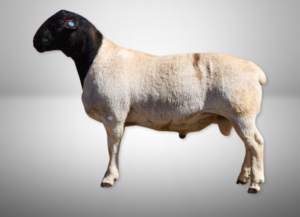
A Dorper ram is an intact male of the Dorper breed used for natural mating or collected for artificial insemination. His genetic influence extends across an entire flock — a single ram typically serves 40 to 60 ewes per breeding season under natural conditions. Ram selection is one of the highest-leverage decisions a Dorper producer makes, directly impacting growth rates, carcass quality, and hardiness across the lamb drop.
What Is a Serving Dorper Ram?
A serving Dorper ram is a ram that is actively mating ewes during a designated breeding period. The term describes his current functional role rather than a permanent classification. For a ram to be considered serving, he must be physically sound, free of structural defects, have confirmed libido, and pass a breeding soundness evaluation (BSE) that includes semen assessment and physical examination.
What Is a Ready-to-Serve Dorper Ram?
A ready-to-serve Dorper ram is a ram that has been assessed and cleared for introduction to ewes. Readiness implies he is at least 8 to 12 months old (depending on development), has achieved adequate scrotal circumference, shows strong libido, and has passed a veterinary or producer-conducted BSE. A ram that has not been evaluated — regardless of age — should not be classified as ready to serve.
What Is a Pure South African Dorper Ram?
A pure South African Dorper ram is a fully pedigreed male whose lineage is exclusively Dorper, traceable to the South African breed foundation. He meets the DSBS breed standard in conformation, pigmentation (black head and neck, white body), and genetic purity. Producers importing South African genetics or purchasing top-end seedstock should verify registration documentation to confirm purity.
What Is a Dorper Lamb?
A Dorper lamb is a young animal of the Dorper breed from birth up to weaning — or in some production contexts, up to approximately six months of age. Dorper lambs are prized for their rapid early growth, with well-managed lambs commonly reaching 18 to 22 kg live weight at 90 days under good nutrition. Their hair-shedding coat eliminates the need for shearing, reducing labor costs significantly.
What Is a Dorper Ewe Lamb?
A Dorper ewe lamb is a young female Dorper from birth to approximately 12 months of age that has not yet been mated. She is the future productive unit of the flock. Ewe lambs can be joined from around 7 to 9 months if they have reached at least 60% of their expected mature body weight, though many producers prefer waiting until 12 months to protect skeletal development and first-lamb performance.
What Is a Dorper Ram Lamb?
A Dorper ram lamb is a young intact male Dorper from birth to approximately 12 months of age. At this stage, he has not yet been assessed for breeding use. Ram lambs can show early mating interest and are capable of serving ewes from around 5 to 6 months, making early separation from ewe flocks an important management step. Producers retain the best-performing ram lambs for future use as breeding rams or sell them as replacement seedstock.
Conclusion
Getting the terminology right is more than semantics — it directly affects how you buy, sell, manage, and breed your Dorper sheep. Whether you’re evaluating a mature Dorper ewe for body condition, confirming a ready-to-serve Dorper ram before joining, or selecting ewe lambs to retain for your next breeding cycle, using precise language helps you make better decisions and communicate clearly with fellow producers, vets, and livestock agents.