

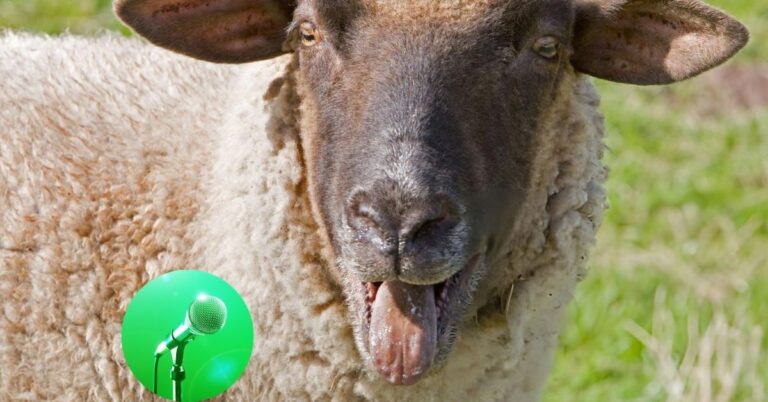
If you’re considering adding Dorper sheep to your operation — or you’ve just brought your first mob home — one of the most common questions that comes up is: are Dorper sheep loud? It’s a fair concern, whether you’re managing a small hobby farm, running a commercial flock near neighbors, or simply trying to understand what’s normal behavior for this breed.
The short answer is that Dorpers are generally considered a quiet, low-maintenance breed compared to many others. But like all sheep, they do vocalize — and context matters enormously. A ewe calling for her lamb at lambing time sounds very different from a stressed mob that’s been separated from feed or water. Understanding the difference between normal sheep communication and a sign of trouble is one of those practical skills that experienced flock managers develop over time.
This article covers what to expect in terms of noise from Dorper sheep specifically, how they compare broadly to other breeds, and what nighttime vocalizations in your flock usually mean.
Are Dorper Sheep Loud?
Dorper sheep are not considered a particularly vocal breed. Compared to dairy breeds like East Friesian or some Merino strains that bleat frequently and persistently, Dorpers tend to be relatively calm and quiet under normal conditions.
That said, “quiet breed” doesn’t mean silent. Any sheep will vocalize when something is off — when they’re hungry, separated, threatened, or going through lambing. Dorpers are no exception. What distinguishes them is that they don’t tend to bleat continuously without cause. When your Dorpers are making noise, it’s usually worth paying attention because there’s typically a reason behind it.
What Triggers Vocalization in Dorpers
Several situations consistently cause increased noise in Dorper flocks:
Lambing and maternal bonding. This is the most natural and expected source of noise. Ewes call loudly and persistently to their lambs in the first 24 to 72 hours after birth. Dorper ewes are known for strong maternal instincts, which means this bonding period is often accompanied by active, vocal communication between ewe and lamb. Don’t be alarmed if your paddock sounds busy during lambing — that’s the system working correctly.
Feed and water stress. Sheep that have run out of water, are waiting for supplementary feeding, or have been moved to a paddock with poor feed availability will vocalize to communicate discomfort. In hot climates like much of Australia, South Africa, or the southern United States where Dorpers are commonly run, water stress during summer can produce noisy mobs quickly. If your flock suddenly gets loud, checking water troughs is usually the first step.
Separation from the mob. Sheep are highly social animals with strong flocking instincts. Dorpers that have been separated — whether by a fence break, drafting, or isolation for treatment — will often call continuously until reunited with the group. This is instinctive behavior, not a breed-specific trait.
New environments. Freshly transported sheep or animals moved into an unfamiliar paddock will often vocalize for a day or two while they settle in and establish their surroundings. This is normal and typically resolves on its own.
Predator presence. A sudden, urgent burst of bleating — especially at night — can indicate that a predator is near the fence line or has entered the paddock. This type of vocalization tends to be more frantic and is worth investigating immediately, particularly if you’re in an area with coyotes, foxes, wild dogs, or other threats.
Are Dorper Sheep Noisy?
In commercial production settings, Dorpers have a reputation for being easy to handle and relatively calm — which generally correlates with lower noise levels. That temperament is one reason they’ve become so popular across a wide range of farming systems.
However, noise levels in any flock are influenced by management practices just as much as genetics. Even a calm breed like the Dorper will become persistently noisy if it’s routinely underfed, kept in overcrowded conditions, or poorly socialized to human handling. The breed provides a baseline — your management determines how that baseline expresses itself day to day.
Comparing Dorpers to Other Breeds
Experienced farmers who have run multiple breeds often describe Dorpers as calmer and quieter than Merinos, particularly in handling situations. Merinos can be notoriously flighty and vocal under stress, which is partly a reflection of their fine-wool genetics and decades of selection that didn’t prioritize docility. Dorpers, originally developed in South Africa for meat production in arid conditions, were selected in part for hardiness and ease of management — traits that tend to produce a more settled temperament.
Hair sheep breeds more broadly — Katahdins, St. Croix, and Barbados Blackbelly — are often noted for quieter, more independent behavior compared to wool breeds, and Dorpers share some of those characteristics despite having a wool component in their original genetics (through the Dorset Horn).
That said, individual variation within any breed is real. Some Dorper ewes are more vocal than others, particularly those that have become highly conditioned to human feeding schedules. If you’ve been hand-supplementing a mob regularly, don’t be surprised when they greet you loudly at the gate — they’ve learned that your presence means feed.
Are Sheep Noisy at Night?
Sheep are generally quieter at night than during the day, but there are specific situations where nighttime noise becomes common and worth understanding. If your flock is disturbing neighbors or you’re waking up to an unexpectedly loud paddock after dark, here’s what’s likely happening.
Normal Nighttime Behavior in Sheep
Under typical conditions, sheep settle down and rest at night. They don’t naturally have strong nocturnal activity patterns, and a settled, well-fed mob in a secure paddock will usually be quiet through the night. Dorpers are no different — when things are in order, you can expect relatively little noise after dark.
What Causes Nighttime Noise in Dorpers
Lambing activity. Lambing doesn’t follow a schedule. Ewes lamb at all hours, and nighttime births are common. If you’re running through a lambing period, expect elevated noise levels around the clock. Freshly lambed ewes calling to newborns, lambs vocalizing to locate their mothers — this is all normal. In intensive lambing setups, checking the mob after dark becomes routine practice.
Predator pressure. This is probably the most important reason to take nighttime sheep noise seriously. Wild dogs, coyotes, foxes, and even large raptors can trigger sudden, agitated vocalizations. Sheep that are being harassed by a predator — even one just prowling the fence line — will alert loudly, and the sound is distinctly more urgent and alarmed than normal bleating. If you hear this pattern, check the paddock immediately with a torch or spotlight.
Environmental disturbances. Unusual noise nearby — machinery, fireworks, thunderstorms, unfamiliar animals — can startle sheep and cause temporary vocalization. This typically settles once the disturbance passes.
Feed and water problems discovered after dark. If a trough runs dry in the afternoon and you don’t notice until later, by evening your mob may be actively vocalizing from thirst. In summer conditions especially, checking water levels before dark is sound management practice.
Social disruption. Newly weaned lambs separated from ewes are often the biggest source of sustained nighttime noise on a sheep property. The first two to three nights post-weaning can be genuinely disruptive, with both ewes and lambs calling persistently. This is expected behavior, and it does resolve — but if you have close neighbors, it’s worth giving them a heads-up around weaning time.
Managing Nighttime Noise
The most effective approach is preventative: ensure feed and water are adequate before dark, maintain secure fencing to reduce predator pressure, and time management events like weaning to minimize unnecessary stress. Rushing your Dorpers through handling or making sudden changes to their routine tends to produce more noise and stress than a calm, consistent management approach.
Dorpers that are well-habituated to regular handling, familiar with their paddocks, and managed with consistent routines will be quieter overall — day and night — than animals that are frequently stressed or poorly managed. The breed’s natural calm temperament is an asset, but it works best when your management supports it.
Practical Tips for Reducing Unnecessary Noise in Your Dorper Flock
A few management habits that experienced Dorper producers commonly apply to keep their flocks settled:
Establish a consistent feeding routine. Sheep learn schedules quickly, and predictability reduces anxiety. If you’re supplementary feeding, do it at the same time each day.
Check water infrastructure daily, especially in hot weather. Troughs that fail overnight can lead to stressed, noisy mobs by morning.
Avoid unnecessary separations. When drafting or treating individual animals, get them back to the mob as quickly as practical.
Walk through your paddocks at varying times, including in the evening. Familiarity with human presence — and your familiarity with what “normal” sounds like in your flock — makes it easier to identify when something is genuinely wrong.
During lambing, check ewes at night if possible. Dorpers are good mothers, but early intervention on a difficult birth or a mis-mothered lamb is always worth the effort.
Conclusion
So, are Dorper sheep loud? By most practical measures, no — they’re one of the quieter breeds available to commercial and small-scale producers alike. But like any livestock, they communicate through sound, and learning to read that communication is part of running a successful operation.
When your Dorpers are noisy during the day or vocal at night, it usually means something in their environment needs attention. That might be a lambing ewe, an empty water trough, a predator at the fence, or simply the stress of separation. The breed’s generally calm temperament means that persistent, unexplained noise is usually a management signal worth investigating promptly.
Managed well, Dorpers are as low-fuss as any sheep breed gets — which is one of the many reasons they’ve become so widely adopted across diverse farming systems worldwide.