

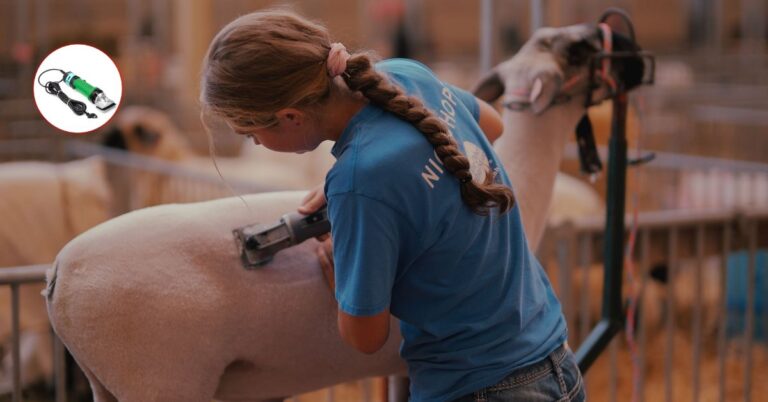
Ask ten people to describe a sheep, and most will picture a thick fleece waiting to be clipped. That image explains why interest in whether are Dorper sheep hair sheep continues to grow among both new and experienced producers. Unlike breeds developed for wool production, Dorpers were created with practicality and adaptability in mind. Their distinctive coat has become one of the breed’s defining features and a major reason behind their popularity worldwide.
Table of Contents
Are Dorper Sheep Wool or Hair?
Although Dorper sheep possess both hair and wool fibers, they are widely classified as hair sheep rather than traditional wool sheep. Their coat differs considerably from breeds such as Merinos because it naturally sheds much of its covering instead of producing a heavy fleece intended for harvesting.
This characteristic was deliberately incorporated during the breed’s development in South Africa, where hardiness and ease of management were more important than wool production.
Are Dorper Sheep Self Shedding?
Among the many traits that attract farmers to the breed, the naturally self-shedding coat ranks near the top. As temperatures rise and seasons change, most Dorper sheep gradually lose much of their coat without requiring routine intervention.
Not every animal sheds with the same efficiency, however. Factors such as genetics, nutrition, and climate influence the extent and timing of shedding. Some sheep shed almost completely, while others retain patches of wool that may persist for longer periods.
Do Dorper Sheep Need Shearing?
One of the practical advantages of raising Dorpers is that annual shearing is generally unnecessary. Their natural shedding ability removes one of the most labor-intensive and costly aspects of managing traditional wool breeds.
Nevertheless, certain sheep retain excessive wool and may benefit from occasional shearing or crutching. This is particularly true in humid environments where excess fleece can create hygiene problems and increase the likelihood of external parasite issues.
Because of this reduced dependence on shearing, many producers view Dorper sheep as a lower-maintenance alternative to wool breeds.
When Should Dorper Sheep Be Shorn?
Even though most Dorpers shed naturally, situations occasionally arise where intervention is beneficial. Animals that retain excessive wool, develop matted fleece, or fail to shed evenly may require shearing to improve comfort and cleanliness.
Late spring and early summer are generally considered the most suitable times for this management practice. Warmer conditions allow sheep to adjust comfortably after shearing, whereas cold weather can expose animals to unnecessary stress.
Rather than following a strict annual schedule, experienced Dorper breeders usually evaluate each animal individually and only shear those that genuinely require attention.
What Type of Shearing Machine Is Used for Dorper Sheep?
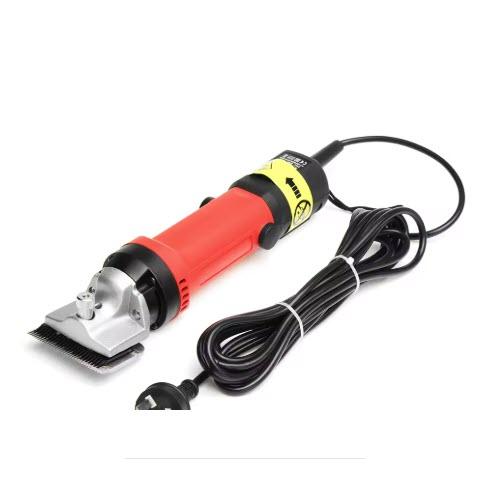
When shearing becomes necessary, producers typically rely on the same equipment used for conventional wool breeds. Modern electric shearing machines utilize motorized handpieces equipped with combs and cutters that efficiently remove fleece.
Smallholders often prefer portable electric clippers, while larger farms may invest in professional shearing systems capable of handling greater numbers of sheep. Since Dorpers seldom require routine shearing, many owners find that a basic machine or occasional professional service is sufficient.
This reduced reliance on shearing equipment contributes to lower labor costs and simplified flock management.
Are Dorper Sheep Good for Wool Production?
Those interested in producing wool commercially usually turn to specialized breeds developed for fleece quality. Dorper sheep, on the other hand, were bred primarily for meat production, hardiness, and reproductive efficiency.
Although some wool fibers are present, the quantity and quality are generally insufficient to support profitable wool enterprises. Instead, the breed is better known for its excellent growth performance, impressive feed efficiency, and desirable carcass characteristics.
Consequently, most Dorper owners regard the coat as a convenience rather than a source of revenue.
Why Many Farmers Prefer Hair Sheep
Reducing the need for shearing provides benefits that extend far beyond labor savings. Fewer handling events mean less stress on animals and lower operating costs for producers.
Moreover, a naturally shedding coat helps reduce problems associated with excessive wool, including fly strike, overheating, and contamination of the fleece. These practical advantages have helped drive the growing popularity of hair sheep breeds across many parts of the world.
Climate and Genetics Influence Shedding Ability
No two flocks shed in exactly the same manner. Sheep raised in warmer climates often display stronger shedding tendencies, whereas animals exposed to cooler conditions may retain more wool for insulation.
Likewise, differences in genetics influence how effectively individual sheep shed. Some bloodlines consistently produce animals with superior shedding characteristics, making coat quality an important consideration in breeding programs.
Conclusion
Traditional wool production has never been the primary purpose of the Dorper breed. Producers exploring whether Dorper sheep require regular shearing or whether they can contribute meaningfully to wool production generally discover that Dorpers are fundamentally hair sheep equipped with a naturally self-shedding coat. Although occasional shearing may be necessary for animals that retain excess fleece, the breed’s reputation rests on low-maintenance management, excellent growth performance, and practical advantages rather than wool production.