

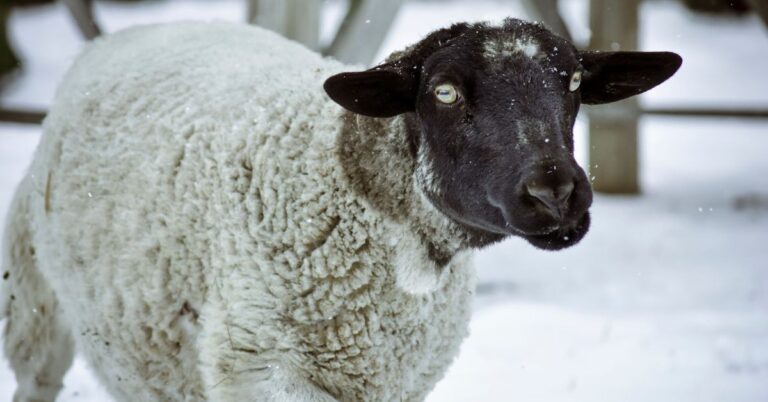
Extreme climates have a way of exposing weaknesses in livestock, which partly explains why interest in whether are Dorper sheep hardy and are Dorper sheep cold hardy continues to grow among producers worldwide. Developed under challenging conditions and refined over decades of selection, Dorpers have earned a reputation for resilience that extends far beyond their South African origins. From dry rangelands to snowy winters, the breed has demonstrated an impressive ability to adapt when supported by sound management.
Table of Contents
Why Are Dorper Sheep Considered Hardy?
The Dorper breed emerged from the crossing of Dorset Horn and Blackhead Persian sheep, with breeders seeking animals capable of thriving under harsh environmental conditions. Over the years, selection emphasized traits such as:
- Adaptability
- Strong maternal instincts
- Efficient feed conversion
- Superior growth performance
- Fertility
- Environmental resilience
These characteristics have helped establish Dorpers as one of the world’s leading meat breeds, especially in regions where climatic conditions challenge less adaptable livestock.
Are Dorper Sheep Cold Hardy?
Despite their African heritage, Dorper sheep have adapted successfully to colder parts of the world. Producers across North America, Europe, and high-altitude regions have demonstrated that healthy Dorpers can tolerate winter conditions remarkably well.
Their mixed coat containing hair and wool fibers provides natural insulation, while the breed’s robust constitution helps them cope with fluctuating temperatures. Nevertheless, cold tolerance should not be confused with invincibility. Access to dry bedding, wind protection, and adequate nutrition remains essential during severe weather.
How Cold Can Dorper Sheep Tolerate?
Healthy animals with good body condition scores can withstand temperatures well below freezing when managed properly. Several factors influence cold tolerance:
Body Condition
Sheep with adequate fat reserves are better equipped to maintain body temperature during periods of extreme cold.
Nutrition
Additional energy requirements arise during winter because animals must generate more heat to maintain normal body functions.
Wind Exposure
Strong winds often create more stress than low temperatures alone. Windbreaks and shelters can dramatically improve comfort and reduce heat loss.
Moisture
Dry sheep stay warmer. Wet fleece and muddy conditions increase heat loss and place additional stress on animals.
Are Dorper Sheep Heat Hardy?
Long before the breed spread around the globe, Dorper sheep had already proven their worth under hot and dry conditions. Their ability to utilize sparse forage resources and maintain productivity under heat stress has contributed significantly to their popularity.
Kenya offers a practical example of this adaptability. Dorper sheep have become increasingly popular in several ASAL counties, where livestock production is often challenged by erratic rainfall and prolonged dry seasons. Counties such as Turkana, Marsabit, Samburu, Isiolo, Garissa, Wajir, Mandera, Tana River, Kitui, Makueni, Baringo, Kajiado, and Laikipia have witnessed growing adoption of Dorpers because of their ability to perform under demanding conditions.
Even in these environments, access to clean water, mineral supplementation, and strategic feeding remains essential for maintaining productivity.
Does the Self-Shedding Coat Improve Hardiness?
Among the breed’s defining characteristics, the naturally self-shedding coat deserves special mention. By shedding much of their wool and hair seasonally, Dorpers regulate body temperature more efficiently and avoid many of the management challenges associated with heavy fleeces.
This adaptability allows sheep to remain comfortable across changing seasons while reducing dependence on routine shearing.
Are Dorper Sheep Resistant to Diseases and Parasites?
Hardiness does not imply immunity. Although Dorpers are generally regarded as resilient animals, they remain susceptible to common diseases and internal parasites.
Maintaining flock health still requires:
- Effective parasite control
- Routine vaccination programs
- Biosecurity measures
- Proper nutrition
- Access to clean water
- Regular health monitoring
Strong genetics and sound management work together to maximize productivity and longevity.
Can Dorper Sheep Thrive on Poor Pasture?
One reason for the breed’s popularity among pastoral and commercial producers is its ability to utilize a wide variety of feed resources. As both grazers and browsers, Dorpers often consume vegetation that other livestock species ignore.
Even so, no breed can perform indefinitely on poor-quality feed. Sustained growth, reproduction, and lamb survival still depend on adequate protein, energy, and mineral supplementation.
Hardiness allows Dorpers to cope with difficult conditions better than many breeds, but it does not eliminate nutritional requirements.
Why Hardiness Should Not Be Confused With Neglect
The phrase “hardy breed” occasionally creates unrealistic expectations among first-time producers. Adaptability reduces management challenges, but it does not eliminate them.
Successful flocks still depend on:
- Quality forage
- Secure fencing
- Preventive health programs
- Predator management
- Shelter during extreme weather
- Record keeping
Good management remains just as important as genetics.
Conclusion
Few breeds have demonstrated adaptability across such a broad range of production systems. Producers researching whether are Dorper sheep cold hardy or are Dorper sheep hardy generally discover that the breed performs remarkably well under both hot and cold conditions. Their naturally self-shedding coat, efficient feed conversion, and resilient nature have made them popular from the drylands of Kenya’s ASAL counties to colder regions across Europe and North America. Even so, resilience and good husbandry go hand in hand, proving that hardy animals still reward producers who provide proper care.