

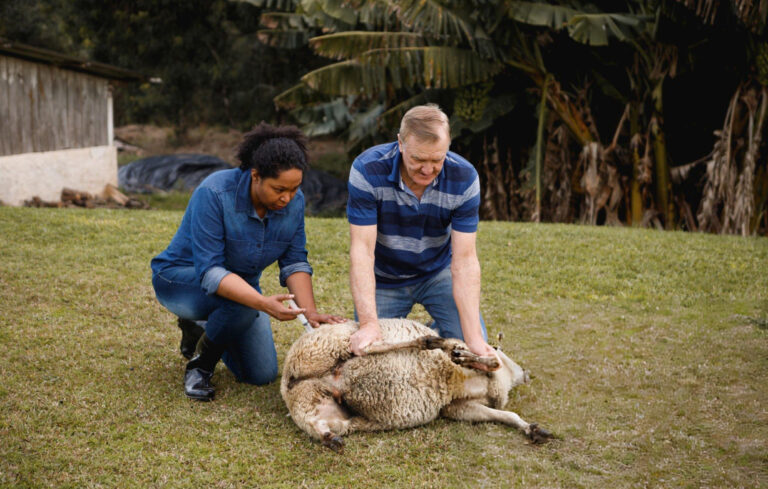
A well-planned Dorper sheep vaccination programme is one of the most effective investments a sheep farmer can make to safeguard flock health and improve long-term productivity. While Dorper sheep are known for their hardiness and adaptability, they remain susceptible to several infectious diseases that can reduce growth rates, affect reproductive performance, increase lamb mortality, and lead to costly production losses. Vaccination helps prepare the immune system to fight these diseases before they become a serious threat.
An effective vaccination programme goes beyond administering vaccines once a year. It requires proper planning, correct timing, good animal handling, accurate record keeping, and integration with biosecurity, parasite control, sound nutrition, and overall flock health management. Because disease risks vary depending on climate, production system, and local veterinary recommendations, every flock should have a vaccination schedule tailored to its specific needs.
This guide explains how vaccines work, the diseases commonly included in a Dorper sheep vaccination programme, recommended vaccination schedules for lambs, ewes, and rams, and practical management practices that help maximize vaccine effectiveness.
Table of Contents
Why Every Dorper Sheep Farm Needs a Vaccination Programme
Disease outbreaks can occur with little warning and often spread rapidly through susceptible flocks. Although treatment may save some animals, it is usually more expensive, less effective, and more stressful than preventing disease through vaccination.
Vaccines stimulate the sheep’s immune system to recognize disease-causing organisms before natural exposure occurs. When vaccinated sheep encounter the actual disease, their immune system responds much faster, reducing the severity of illness or preventing infection altogether.
A structured vaccination programme offers several important benefits:
- Reduces deaths caused by preventable diseases.
- Improves lamb survival.
- Supports better growth performance.
- Protects reproductive efficiency.
- Reduces veterinary treatment costs.
- Improves overall flock welfare.
- Minimizes production interruptions.
Commercial Dorper producers also benefit from greater consistency in flock performance. Healthy sheep convert feed more efficiently, maintain better body condition score, and reach market weight with fewer setbacks caused by disease.
Vaccination should never be viewed as a substitute for good management. Instead, it forms one part of a comprehensive flock health programme that combines disease prevention with sound husbandry practices.
How Vaccines Protect Dorper Sheep
Understanding how vaccines work helps farmers appreciate why timing and proper administration are so important.
Vaccines expose the immune system to harmless forms or components of disease-causing organisms. This stimulates the production of protective antibodies and immune cells without causing the disease itself.
When sheep are later exposed to the real infection, their immune system recognizes the organism and mounts a much faster defensive response.
Most vaccination programmes include two important stages.
The first is the primary vaccination, which introduces the immune system to the disease organism.
The second is the booster vaccination, which strengthens and prolongs immunity. Many vaccines require booster doses because protection gradually declines over time.
Several factors influence how well vaccines work, including:
- Age of the sheep
- General health
- Nutritional status
- Existing disease
- Stress levels
- Proper vaccine storage
- Correct administration technique
Healthy sheep generally develop stronger immunity than animals already weakened by illness, heavy parasite burdens, or poor nutrition.
For this reason, farmers should always ensure sheep receive adequate mineral supplementation, quality forage, clean water, and effective parasite control before implementing vaccination programmes.
Diseases Commonly Included in a Dorper Sheep Vaccination Programme
The diseases included in a vaccination programme vary between countries, production systems, and veterinary recommendations. Farmers should work closely with local veterinarians to identify the diseases that present the greatest risk within their region.
Some vaccines are considered routine on most commercial sheep farms, while others are only recommended where specific diseases occur.
Clostridial Diseases
Clostridial diseases remain among the most important diseases vaccinated against in sheep production worldwide.
These diseases are caused by bacteria that naturally occur in soil and within the digestive tract of healthy animals. Disease develops when conditions allow these bacteria to multiply rapidly and produce powerful toxins.
Common clostridial diseases affecting sheep include:
- Pulpy kidney
- Tetanus
- Black disease
- Blackleg
- Malignant oedema
Many commercial vaccines protect against several clostridial diseases simultaneously, making them a cornerstone of most sheep vaccination programmes.
Because these diseases often develop rapidly and have high mortality rates, prevention through vaccination is considerably more effective than attempting treatment after clinical signs appear.
Pasteurellosis
Pasteurellosis is a bacterial respiratory disease that can affect sheep of all ages, particularly during periods of stress.
Outbreaks commonly occur following:
- Transportation
- Sudden weather changes
- Overcrowding
- Poor ventilation
- Nutritional stress
- Weaning
Affected sheep may develop pneumonia, fever, difficulty breathing, and reduced appetite. Young lambs are especially vulnerable.
Vaccination may be recommended where pasteurellosis occurs frequently or where intensive production systems increase disease risk.
Contagious Ecthyma (Orf)
Contagious ecthyma, commonly known as Orf, is a highly contagious viral disease affecting the lips, mouth, udders, and occasionally the feet of sheep.
Lambs often experience difficulty suckling due to painful mouth lesions, while infected ewes may refuse nursing because of lesions on the teats.
Vaccination is generally considered in flocks with recurring outbreaks or where the disease is already established. Because Orf vaccines contain live virus, they should only be used according to veterinary guidance and local recommendations.
Bluetongue
Bluetongue is an insect-borne viral disease transmitted by biting midges.
Clinical signs vary depending on the virus strain and the susceptibility of individual animals but may include fever, swelling around the mouth, nasal discharge, lameness, and inflammation of the tongue.
Vaccination may be recommended in regions where bluetongue is endemic or seasonal outbreaks occur.
Controlling insect populations alongside vaccination further reduces disease risk.
Sheep Pox
Sheep pox is a serious viral disease that can spread rapidly through susceptible flocks.
Affected sheep may develop fever, skin lesions, reduced appetite, and production losses. In countries where the disease remains a concern, vaccination forms an important component of national disease control programmes.
Farmers should always follow veterinary and government guidance regarding sheep pox vaccination requirements.
Rift Valley Fever
Rift Valley fever remains an important disease in several parts of Africa, particularly following periods of heavy rainfall that encourage mosquito breeding.
The disease can cause abortions, high mortality among young lambs, fever, and severe economic losses.
Because Rift Valley fever is also a zoonotic disease capable of affecting humans, vaccination programmes should follow official veterinary recommendations and government disease control policies where vaccines are available.
Early planning is particularly important before seasons associated with increased mosquito activity.
Vaccination Programme for Lambs
Lambs begin life with temporary protection obtained from antibodies contained in their mother’s first milk, known as colostrum. This passive immunity provides valuable early protection but gradually declines over time, leaving lambs increasingly susceptible to infectious diseases.
For this reason, vaccination programmes should begin before maternal antibodies disappear completely while ensuring the lamb’s immune system is mature enough to respond effectively.
The exact timing depends on the vaccine being used, local disease pressure, and veterinary recommendations. Most vaccination schedules include an initial dose followed by a booster several weeks later to establish stronger and longer-lasting immunity.
Lamb vaccination becomes particularly important before stressful management events such as weaning, transportation, or movement into feedlots, when disease risk often increases.
Proper nutrition, effective parasite control, and careful handling during vaccination help young lambs develop stronger immune responses and maintain healthy growth.
Vaccination Programme for Adult Ewes
Adult ewes play a central role in flock productivity, making their vaccination programme particularly important. Vaccinating breeding females protects the ewe against infectious diseases while also improving the transfer of protective antibodies to newborn lambs through high-quality colostrum.
Timing is critical. Vaccinating too early before lambing may reduce the level of antibodies available to newborn lambs, while vaccinating too late may not allow enough time for the ewe’s immune system to produce an adequate response.
Most flock health programmes include booster vaccinations several weeks before lambing, depending on the vaccine manufacturer’s recommendations and veterinary advice. This strategy helps maximize passive immunity during the first few weeks of a lamb’s life, when the immune system is still developing.
Before breeding, farmers should also ensure ewes are in good health. Animals with poor body condition score, heavy parasite burdens, or nutritional deficiencies may not respond to vaccines as effectively as healthy sheep.
A comprehensive health programme for breeding ewes should include:
- Annual booster vaccinations where recommended
- Effective parasite control
- Balanced mineral supplementation
- Adequate protein intake
- Good-quality forage
- Routine health inspections
Healthy ewes are more likely to conceive successfully, carry pregnancies to term, produce vigorous lambs, and recover quickly after lambing.
Vaccination Programme for Rams
Breeding rams contribute to the genetic progress and reproductive performance of the entire flock, making disease prevention especially important.
A sick ram may lose condition rapidly, show reduced libido, or become temporarily infertile during the breeding season. Vaccinating rams before mating helps minimize disease-related disruptions when fertility is most critical.
Ideally, rams should receive required booster vaccinations several weeks before joining ewes. This allows sufficient time for immunity to develop while avoiding unnecessary stress immediately before breeding.
During pre-breeding preparation, farmers should also:
- Assess body condition score
- Inspect feet and treat lameness
- Control internal and external parasites
- Examine reproductive organs
- Provide balanced nutrition
- Record all vaccinations administered
Combining vaccination with a complete breeding soundness examination improves reproductive performance while reducing the likelihood of disease affecting the breeding flock.
Annual Dorper Sheep Vaccination Calendar
Although vaccination schedules differ between regions and disease risks, an annual health calendar helps farmers organize preventive management throughout the production cycle.
| Production Stage | Vaccination Focus |
|---|---|
| Pre-breeding | Review vaccination records and administer required annual boosters |
| Early Pregnancy | Follow veterinary recommendations for region-specific vaccines if required |
| Several Weeks Before Lambing | Booster vaccinations that enhance colostral immunity for newborn lambs |
| Lambing Season | Monitor newborn lamb health and ensure adequate colostrum intake |
| Young Lambs | Begin primary vaccination programme according to veterinary guidance |
| Several Weeks Later | Administer booster vaccinations where required |
| Weaning | Review health status and vaccinate if recommended before stressful management changes |
| Annual Health Review | Update vaccination programme based on disease risks and veterinary advice |
Maintaining accurate records allows farmers to identify missed vaccinations, monitor flock immunity, and plan future health interventions more effectively.
How to Handle and Store Sheep Vaccines Properly
Even the highest-quality vaccine cannot provide reliable protection if it is stored or handled incorrectly. Poor vaccine management may reduce effectiveness before the product is ever administered.
Vaccines should remain within the manufacturer’s recommended temperature range from purchase until use. Breaking the cold chain can damage vaccine components and reduce the immune response.
Good vaccine handling practices include:
- Store vaccines in a dedicated refrigerator.
- Protect vaccines from direct sunlight.
- Check expiry dates before use.
- Transport vaccines in insulated cool boxes when necessary.
- Avoid freezing vaccines unless specifically instructed.
- Mix vaccines only according to manufacturer recommendations.
- Use clean, sterile needles and syringes.
- Discard unused vaccine as directed by the manufacturer.
Maintaining proper storage conditions helps ensure every vaccinated sheep receives the intended level of protection.
Best Vaccination Practices
Successful vaccination depends on more than selecting the right product. Proper administration techniques improve vaccine effectiveness while minimizing stress and injury.
Farmers should vaccinate only healthy sheep. Animals suffering from severe illness, nutritional deficiencies, dehydration, or heavy parasite infestations may develop weaker immune responses.
Stress management is equally important. Excessive handling, long-distance transport, extreme weather, and overcrowding can reduce immune function during vaccination.
The following practices improve vaccination success:
- Read and follow vaccine instructions carefully.
- Administer the correct dose to every animal.
- Use the recommended injection site.
- Change needles regularly.
- Handle sheep calmly to reduce stress.
- Record vaccine batch numbers and administration dates.
- Observe vaccinated sheep for any unexpected reactions.
Maintaining accurate flock health records also makes future booster scheduling much easier while supporting better disease surveillance.
Common Vaccination Mistakes Farmers Make
Vaccination programmes sometimes fail because of management errors rather than problems with the vaccines themselves.
Some of the most common mistakes include:
- Vaccinating sheep that are already sick.
- Missing scheduled booster vaccinations.
- Using expired vaccines.
- Allowing vaccines to become too warm during transport or storage.
- Administering incorrect doses.
- Using dirty or damaged injection equipment.
- Vaccinating heavily stressed animals immediately after transport.
- Failing to keep vaccination records.
- Assuming vaccination alone replaces good flock management.
Avoiding these mistakes helps maximize immunity while reducing unnecessary disease risks.
Vaccination should always work alongside biosecurity, nutrition, parasite control, proper housing, and sound flock management rather than replacing these essential husbandry practices.
Vaccination and Overall Flock Health
Vaccination is one of the most effective disease prevention tools available to sheep farmers, but it delivers the best results when incorporated into a complete flock health programme. Healthy sheep develop stronger immune responses to vaccines than animals weakened by poor nutrition, heavy parasite burdens, or chronic stress.
A comprehensive flock health programme should combine vaccination with several complementary management practices.
Biosecurity
Strong biosecurity reduces the risk of introducing infectious diseases into the flock. New sheep should be quarantined before joining resident animals, while visitors, vehicles, and equipment should be managed to minimize disease transmission.
Good biosecurity practices include:
- Quarantining newly purchased sheep.
- Inspecting replacement breeding stock.
- Cleaning and disinfecting handling facilities.
- Restricting unnecessary flock contact.
- Monitoring animals returning from communal grazing or livestock markets.
Vaccination becomes far more effective when disease exposure is minimized through sound biosecurity.
Parasite Control
Heavy internal and external parasite infestations place considerable stress on the immune system.
Routine parasite control improves overall health and allows sheep to respond more effectively to vaccination. Strategic deworming, pasture rotation, and regular fecal egg monitoring should form part of the annual flock health calendar.
Parasite management should always be based on veterinary recommendations and local parasite challenges to reduce the development of anthelmintic resistance.
Balanced Nutrition
Nutrition directly influences immune function.
Sheep receiving balanced diets containing adequate protein, energy, vitamins, and mineral supplementation generally produce stronger and longer-lasting immune responses following vaccination.
Important nutritional considerations include:
- High-quality forage
- Clean drinking water
- Balanced trace minerals
- Appropriate supplementation during pregnancy and lactation
- Consistent feeding programmes during periods of rapid growth
Nutritional deficiencies may reduce vaccine effectiveness while increasing susceptibility to infectious diseases.
Monitoring Body Condition
Routine body condition scoring provides valuable information about the nutritional and health status of the flock.
Sheep in poor body condition often have weaker immune responses and may experience slower recovery from disease. Regular monitoring allows farmers to adjust feeding programmes before productivity declines.
Breeding ewes and rams should reach their target body condition before breeding and vaccination programmes begin.
Good Housing and Environmental Management
Housing conditions also influence disease risk.
Clean, dry, and well-ventilated facilities reduce the spread of infectious organisms while minimizing stress on the flock.
Farmers should routinely:
- Remove wet bedding.
- Improve ventilation.
- Prevent overcrowding.
- Maintain clean feeding areas.
- Ensure reliable access to fresh water.
Healthy environments support healthy immune systems.
Dorper Sheep Vaccination Programme in Kenya
Kenya’s diverse climatic regions create varying disease challenges for Dorper sheep producers. As a result, vaccination programmes should be designed around local disease risks rather than adopting a universal schedule.
In high-rainfall regions, increased humidity and prolonged wet seasons may contribute to higher disease pressure, particularly where sheep are housed intensively or graze on heavily stocked pastures.
In the arid and semi-arid lands (ASALs), disease pressure often changes with seasonal rainfall. Heavy rains encourage mosquito breeding, increasing the risk of diseases such as Rift Valley fever where outbreaks occur. Farmers should remain informed through veterinary authorities regarding regional vaccination campaigns and disease alerts.
Commercial producers operating large flocks may benefit from annual flock health reviews conducted with veterinarians to assess disease risks and update vaccination programmes accordingly.
Smallholder farmers should work closely with county veterinary officers and livestock extension personnel to determine which vaccines are appropriate for their production systems and geographical locations.
Because disease prevalence differs between counties, vaccination decisions should always consider:
- Local disease history.
- Government vaccination recommendations.
- Production system.
- Animal movement.
- Breeding objectives.
- Seasonal weather patterns.
Tailoring vaccination programmes to local conditions improves disease protection while avoiding unnecessary treatments.
Frequently Asked Questions
How often should Dorper sheep be vaccinated?
The frequency depends on the diseases being prevented, the vaccine used, and local veterinary recommendations. Many vaccines require annual booster doses, while others follow different schedules.
At what age should lambs receive their first vaccinations?
This varies according to the vaccine and the level of maternal antibodies received through colostrum. Farmers should follow veterinary guidance and the manufacturer’s recommendations for each vaccine.
Can pregnant ewes be vaccinated?
Yes, certain vaccines are commonly administered before lambing to increase protective antibodies in colostrum. However, vaccination timing should always follow veterinary advice and product guidelines.
Should breeding rams receive annual vaccinations?
Yes. Rams should remain fully vaccinated before the breeding season to reduce the risk of disease affecting fertility and breeding performance.
Can vaccines replace good flock management?
No. Vaccination works best alongside effective biosecurity, parasite control, proper nutrition, sound housing, and routine health monitoring.
What happens if a booster vaccination is missed?
Missing booster vaccinations may reduce immunity. Farmers should consult their veterinarian to determine the most appropriate way to restore protection.
Can multiple vaccines be administered on the same day?
Some vaccines can be administered during the same handling session, provided veterinary guidance and manufacturer recommendations are followed. Injection sites and administration procedures should always comply with product instructions.
Should every sheep on the farm be vaccinated?
Vaccination programmes usually target the entire susceptible flock to achieve the highest level of protection. However, recommendations vary depending on disease risk, vaccine type, and veterinary advice.
Conclusion
A well-designed Dorper sheep vaccination programme provides long-term protection against many of the infectious diseases capable of reducing flock productivity and profitability. Vaccination strengthens the flock’s natural immunity, improves lamb survival, supports reproductive performance, and reduces the financial impact of preventable disease outbreaks.
Successful vaccination depends on far more than administering injections according to a calendar. Farmers should combine vaccination with strong biosecurity, effective parasite control, balanced nutrition, proper mineral supplementation, routine body condition scoring, and sound flock management practices. Healthy sheep develop stronger immune responses and are better equipped to withstand disease challenges throughout the year.
Because disease risks differ between regions, climates, and production systems, there is no single vaccination programme suitable for every Dorper flock. Working closely with veterinarians and livestock extension professionals allows farmers to develop a vaccination schedule tailored to local disease threats and production goals.
By treating vaccination as an essential component of a comprehensive flock health strategy rather than a standalone practice, Dorper producers can protect animal welfare, improve productivity, and build healthier, more resilient flocks for years to come.