

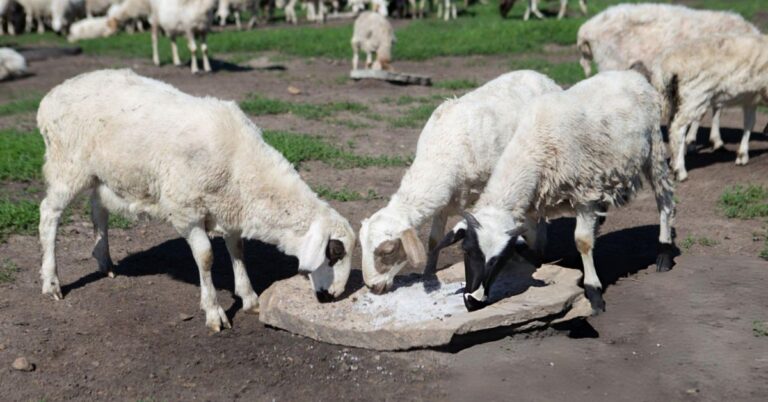
Mineral supplementation for Dorper sheep is an essential component of a balanced nutrition programme because even high-quality pasture and supplementary feeds may not supply all the minerals required for optimal health and productivity. Minerals support nearly every biological function, including bone development, muscle contraction, reproduction, immune function, enzyme activity, and healthy hoof growth. Without adequate mineral intake, Dorper sheep may experience poor growth performance, reduced fertility, weak lambs, lower milk production, and increased susceptibility to disease.
Although Dorper sheep are hardy and adaptable, their mineral requirements change throughout different stages of production. Growing lambs require minerals for skeletal development, breeding rams need adequate mineral nutrition to maintain fertility, while pregnant and lactating ewes have significantly higher mineral demands to support fetal growth and milk production.
This guide explains the importance of mineral supplementation, the essential minerals required by Dorper sheep, signs of mineral deficiencies, supplementation methods, and practical management strategies for maintaining healthy and productive flocks.
Table of Contents
Why Mineral Supplementation Is Important for Dorper Sheep
Minerals make up only a small proportion of the sheep’s diet, yet they have a major influence on health and productivity.
Unlike energy and protein, minerals do not provide calories, but they regulate hundreds of physiological processes necessary for normal growth, reproduction, metabolism, and immune function.
A balanced mineral supplementation programme helps farmers:
- Improve growth performance
- Support efficient feed conversion
- Maintain healthy body condition score
- Improve fertility
- Increase lamb survival
- Strengthen immune function
- Support healthy hoof development
- Improve milk production
- Reduce nutritional disorders
Because mineral deficiencies often develop gradually, sheep may experience reduced productivity long before obvious clinical signs become apparent.
Understanding Mineral Requirements in Dorper Sheep
No single mineral works independently.
Most minerals interact with one another, making balance just as important as the quantity supplied.
The mineral requirements of Dorper sheep depend on:
- Age
- Body weight
- Production stage
- Pasture quality
- Soil fertility
- Climate
- Growth rate
- Reproductive status
Growing lambs, pregnant ewes, lactating ewes, and breeding rams generally require higher mineral intake than mature maintenance sheep.
Regular evaluation of flock performance helps farmers determine whether supplementation programmes are meeting nutritional requirements.
Major Minerals Required by Dorper Sheep
Major minerals are required in relatively larger amounts because they support structural development and normal body functions.
Calcium
Calcium is essential for:
- Bone development
- Muscle contraction
- Milk production
- Nerve function
- Blood clotting
Pregnant and lactating ewes have particularly high calcium requirements because large amounts are transferred to developing lambs and later secreted in milk.
Insufficient calcium intake may contribute to poor skeletal development and metabolic disorders.
Phosphorus
Phosphorus works closely with calcium to support healthy bones and teeth.
It also contributes to:
- Energy metabolism
- Fertility
- Cell growth
- Muscle development
Maintaining an appropriate calcium-to-phosphorus balance is more important than supplying excessive amounts of either mineral individually.
Magnesium
Magnesium supports:
- Muscle function
- Nerve transmission
- Enzyme activity
- Energy utilization
Although deficiencies are relatively uncommon under balanced feeding programmes, inadequate magnesium intake may contribute to nervous disorders and poor animal performance.
Sodium and Chloride
Sodium and chloride help regulate:
- Fluid balance
- Nerve function
- Appetite
- Digestion
Providing salt licks or loose salt supplements encourages adequate intake while helping maintain normal physiological functions.
Sheep should always have unrestricted access to clean drinking water when salt supplements are provided.
Potassium
Potassium supports:
- Muscle function
- Water balance
- Nerve activity
- Cellular metabolism
Fresh green forage usually supplies sufficient potassium under normal grazing conditions, although deficiencies may occur where forage quality declines significantly.
Trace Minerals Required by Dorper Sheep
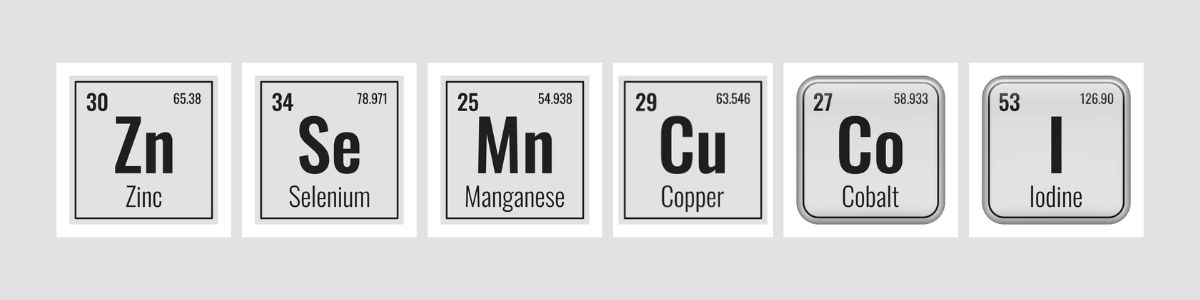
Although trace minerals are required in much smaller quantities than major minerals, they are equally important for maintaining healthy and productive sheep. Even minor deficiencies can affect growth performance, fertility, immunity, and overall flock health.
Zinc
Zinc plays an important role in:
- Hoof development
- Skin health
- Wool and hair growth
- Wound healing
- Immune function
- Reproduction
Adequate zinc nutrition contributes to stronger hooves and supports the body’s ability to repair damaged tissues following injury or disease.
Selenium
Selenium is essential for:
- Immune function
- Muscle development
- Fertility
- Antioxidant protection
Together with vitamin E, selenium helps protect body tissues from oxidative damage while supporting healthy lamb development.
Because excessive selenium can be toxic, supplementation should always follow recommended guidelines.
Copper
Copper contributes to:
- Red blood cell formation
- Pigment production
- Immune function
- Connective tissue development
However, sheep are considerably more sensitive to copper than many other livestock species.
Excessive copper intake can lead to copper toxicity, which may be fatal. Farmers should therefore use mineral supplements specifically formulated for sheep and avoid products intended for cattle unless recommended by a veterinarian or livestock nutritionist.
Manganese
Manganese supports:
- Bone development
- Reproductive performance
- Cartilage formation
- Enzyme activity
Balanced manganese intake contributes to healthy skeletal development in growing lambs and supports fertility in breeding animals.
Iodine
Iodine is required for the production of thyroid hormones, which regulate metabolism, growth, and body temperature.
Deficiencies may contribute to:
- Poor growth
- Weak newborn lambs
- Reduced fertility
- Enlarged thyroid glands (goiter)
Maintaining adequate iodine intake is particularly important for pregnant ewes.
Cobalt
Cobalt is required by rumen microorganisms to produce vitamin B12.
Vitamin B12 supports:
- Energy metabolism
- Appetite
- Growth
- Red blood cell production
Insufficient cobalt may result in poor appetite, slow growth, and declining body condition score, particularly in young sheep grazing cobalt-deficient soils.
Signs of Mineral Deficiencies in Dorper Sheep
Mineral deficiencies often develop gradually and may initially appear as reduced productivity rather than obvious illness.
Farmers should monitor sheep regularly for changes in performance that could indicate nutritional imbalances.
Common signs include:
- Poor growth performance
- Reduced feed conversion
- Weight loss
- Poor body condition score
- Reduced fertility
- Delayed puberty
- Weak newborn lambs
- Poor milk production
- Rough hair coat
- Slow wound healing
- Lameness
- Weak bones
- Reduced appetite
- Increased disease susceptibility
Because many nutritional deficiencies produce similar symptoms, laboratory testing and veterinary consultation may be necessary before making significant changes to supplementation programmes.
Factors That Influence Mineral Requirements
The amount of minerals required by Dorper sheep varies considerably depending on production conditions and animal characteristics.
Important influencing factors include:
Age
Growing lambs require higher mineral intake relative to body weight because of rapid skeletal and muscle development.
Proper mineral nutrition during early life supports healthy growth while preparing lambs for future productivity.
Pregnancy
Mineral requirements increase steadily during pregnancy, particularly during the final trimester when fetal growth accelerates.
Pregnant ewes require additional calcium, phosphorus, selenium, iodine, and other trace minerals to support both maternal health and fetal development.
Lactation
Milk production removes significant quantities of minerals from the ewe’s body.
Without adequate supplementation, lactating ewes may lose condition while producing lower-quality milk for their lambs.
Pasture Quality
The mineral content of pasture depends largely on soil fertility.
Pastures growing on mineral-deficient soils often produce forage incapable of meeting all nutritional requirements, making supplementation essential.
Production System
Mineral supplementation programmes differ between:
- Intensive systems
- Semi-intensive systems
- Extensive grazing systems
Intensive farms generally rely more heavily on formulated mineral supplements, while grazing systems depend partly on naturally occurring minerals within forage.
Methods of Mineral Supplementation
Several methods can be used to provide minerals to Dorper sheep.
The most appropriate option depends on flock size, production system, labor availability, and local feeding practices.
Mineral Blocks
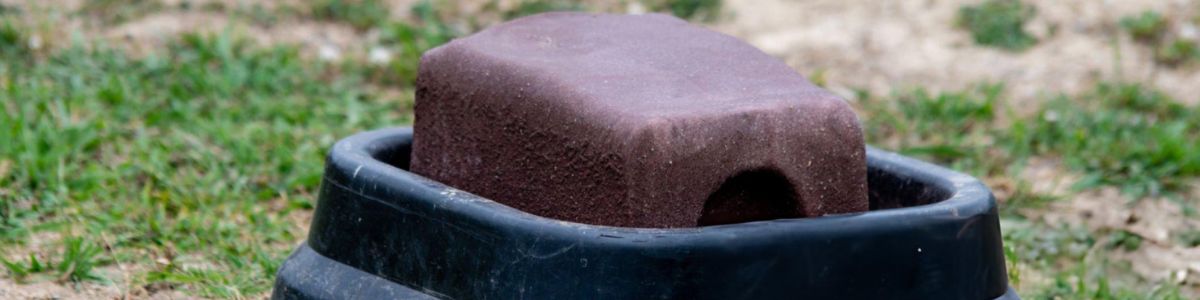
Mineral blocks provide continuous access to essential minerals while allowing sheep to consume supplements according to their requirements.
They are widely used because they:
- Require little labor.
- Resist weather reasonably well.
- Reduce supplement wastage.
- Are easy to distribute throughout grazing areas.
Blocks should be positioned where sheep can easily access them without causing excessive crowding.
Loose Mineral Mixes
Loose mineral supplements generally allow more consistent mineral intake than hard blocks.
They are particularly useful where specific deficiencies have been identified through laboratory testing or veterinary assessment.
Weatherproof feeders help protect loose minerals from contamination and moisture.
Mineral Premixes in Concentrates
Commercial concentrate feeds often include balanced mineral supplementation as part of the formulated ration.
This approach ensures sheep receive minerals whenever concentrates are fed.
However, grazing sheep may still require free-choice mineral access depending on pasture quality and production stage.
Total Mixed Ration (TMR)
Commercial producers using Total Mixed Ration (TMR) systems incorporate minerals directly into the complete ration.
This method provides highly consistent mineral intake because every mouthful contains a balanced nutrient profile.
Accurate ration formulation remains essential to avoid deficiencies or excessive supplementation.
Seasonal Mineral Supplementation
The mineral requirements of Dorper sheep change throughout the year as pasture quality, weather conditions, and production stages vary. Adjusting mineral supplementation according to seasonal conditions helps prevent nutritional deficiencies while supporting consistent flock performance.
Mineral Supplementation During the Rainy Season
During the rainy season, pasture growth is usually abundant, but rapidly growing forage may still be deficient in certain trace minerals.
Farmers should continue providing free-choice mineral supplementation even when pasture appears plentiful.
Particular attention should be given to:
- Breeding ewes
- Lactating ewes
- Growing lambs
- Breeding rams
Maintaining year-round mineral access prevents deficiencies from developing during periods of rapid production.
Mineral Supplementation During the Dry Season
As pasture matures and dries, both forage quantity and mineral availability often decline.
Dry-season supplementation helps maintain:
- Healthy body condition score
- Fertility
- Milk production
- Immune function
- Hoof health
Providing balanced mineral supplements alongside conserved forage and concentrate feeds supports continued productivity despite declining pasture quality.
Mineral Supplementation During Drought
Extended drought increases nutritional stress while reducing the mineral content of available forage.
During drought conditions, priority should be given to:
- Pregnant ewes
- Lactating ewes
- Growing lambs
- Breeding rams
Continuous access to mineral supplements helps reduce production losses until pasture conditions improve.
Water and Mineral Intake
Mineral supplementation should always be accompanied by unrestricted access to clean drinking water.
Water supports:
- Digestion
- Nutrient transport
- Temperature regulation
- Feed utilization
- Normal metabolic processes
When salt-containing mineral supplements are provided, sheep naturally increase water consumption.
Farmers should ensure water troughs remain:
- Clean.
- Easily accessible.
- Well distributed across grazing areas.
- Free from contamination.
Adequate water intake encourages consistent mineral consumption while supporting overall flock health.
Monitoring Mineral Supplementation Success
An effective mineral programme should be evaluated regularly rather than assumed to be working.
Farmers should monitor:
- Growth performance
- Body condition score
- Fertility
- Lamb survival
- Hoof condition
- Milk production
- General health
- Feed intake
Production records provide valuable information when assessing whether current supplementation programmes require adjustment.
Where mineral deficiencies are suspected, veterinarians may recommend laboratory analysis of forage, soil, blood, or liver samples to identify specific nutritional imbalances.
Common Mineral Supplementation Mistakes Farmers Make
Mineral supplementation is most effective when provided consistently and in balanced amounts.
Common mistakes include:
- Assuming pasture supplies all required minerals.
- Using mineral supplements formulated for cattle instead of sheep.
- Allowing mineral blocks to become contaminated with mud or manure.
- Providing insufficient clean drinking water.
- Ignoring changes in production stage.
- Supplying excessive copper.
- Failing to replace empty mineral feeders promptly.
- Providing mineral supplements only during obvious deficiency outbreaks.
- Ignoring soil and forage quality.
Avoiding these mistakes improves flock productivity while reducing the risk of nutritional disorders.
Mineral Supplementation for Dorper Sheep in Kenya
Kenya’s diverse soils and climatic regions create significant variation in mineral availability.
In high-rainfall areas, prolonged leaching may reduce the concentration of important minerals within pasture, increasing the need for supplementation throughout the year.
In the arid and semi-arid lands (ASALs), seasonal drought often reduces both pasture quantity and mineral intake. Providing free-choice mineral supplements helps maintain flock health when natural forage becomes limited.
Smallholder farmers can improve mineral nutrition by providing commercial sheep mineral blocks or loose mineral mixes while ensuring unrestricted access throughout the year.
Commercial Dorper producers often integrate mineral supplementation into broader nutritional programmes that include improved pasture management, concentrate feeding, and Total Mixed Ration (TMR) systems.
Working closely with livestock nutritionists and veterinarians allows farmers to develop supplementation programmes based on local forage conditions and production objectives rather than relying on generalized recommendations.
Frequently Asked Questions
Do Dorper sheep need mineral supplements all year?
Yes. Continuous access to balanced mineral supplementation helps prevent nutritional deficiencies and supports growth, reproduction, immunity, and overall flock health throughout the year.
What is the most important mineral for Dorper sheep?
No single mineral is the most important because normal body function depends on a balanced supply of both major and trace minerals. Calcium, phosphorus, zinc, selenium, iodine, cobalt, and sodium all play essential roles.
Can sheep use cattle mineral supplements?
No. Sheep should receive mineral supplements specifically formulated for sheep because some cattle supplements contain copper levels that may be toxic to sheep.
How can farmers recognize mineral deficiencies?
Common signs include poor growth performance, declining body condition score, reduced fertility, weak lambs, poor hoof quality, rough hair coat, slow wound healing, and increased disease susceptibility.
Should lambs receive mineral supplements?
Yes. Growing lambs require adequate minerals to support skeletal development, muscle growth, immune function, and overall productivity.
Can too much mineral supplementation be harmful?
Yes. Excessive supplementation may lead to mineral imbalances or toxicity, particularly with copper and selenium. Farmers should always follow manufacturer recommendations and seek veterinary advice where deficiencies or toxicities are suspected.
Conclusion
Mineral supplementation for Dorper sheep is a vital component of a balanced nutrition programme that supports growth performance, reproductive efficiency, healthy feed conversion, strong immunity, and long-term flock productivity. Although minerals are required in relatively small amounts, deficiencies can significantly affect animal health, fertility, lamb survival, hoof integrity, and overall farm profitability.
An effective mineral supplementation programme should provide a balanced supply of both major and trace minerals while accounting for pasture quality, soil fertility, production stage, and seasonal changes. Continuous access to sheep-specific mineral supplements, clean drinking water, and high-quality forage helps ensure animals receive the nutrients required for normal growth and development.
Whether managing a smallholder flock or a commercial sheep enterprise, investing in consistent mineral supplementation is one of the most cost-effective ways to improve flock health, reduce nutritional disorders, and maximize the productive potential of Dorper sheep throughout every stage of production.