

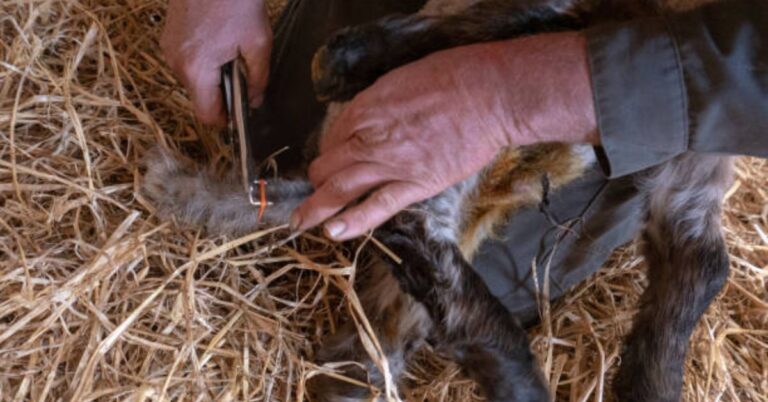
Castration methods for Dorper lambs are an important aspect of sheep management, particularly for producers raising lambs for meat production. Castration is the process of removing or permanently disabling the testicles of male lambs to prevent reproduction and modify growth, behavior, and carcass characteristics. When performed correctly and at the appropriate age, castration improves flock management by reducing aggression, preventing unwanted breeding, and producing more manageable animals.
Although Dorper sheep are naturally docile compared to some breeds, intact rams often become increasingly aggressive and difficult to manage as they mature. Castration helps minimize these behavioral problems while improving meat quality and simplifying flock management. However, because the procedure affects animal welfare, productivity, and health, farmers should carefully consider the appropriate timing, method, and aftercare.
This guide explains the different castration methods used for Dorper lambs, their advantages and disadvantages, the best age for castration, pain management, post-operative care, and practical recommendations for maintaining healthy and productive flocks.
Table of Contents
What Is Castration?
Castration is the permanent removal or destruction of the testicles to prevent sperm production and reduce testosterone secretion.
Once castrated, male lambs become wethers, meaning they can no longer reproduce.
The reduction in testosterone changes several aspects of the animal’s development, including:
- Reproductive ability
- Sexual behavior
- Aggression
- Muscle development
- Fat deposition
- Social behavior
The decision to castrate depends on the farm’s breeding programme, marketing objectives, and flock management system.
Why Castrate Dorper Lambs?
Not every male lamb requires castration.
Breeding rams selected for future reproduction should remain intact if they meet the desired genetic and physical standards.
Male lambs not intended for breeding are often castrated because the procedure offers several management advantages.
Benefits include:
- Prevents unwanted breeding.
- Reduces aggressive behavior.
- Makes flock management easier.
- Produces calmer animals.
- Reduces fighting.
- Simplifies mixed grazing with females.
- Improves handling safety.
- Produces more uniform market animals.
Castration also allows farmers to manage replacement breeding stock more effectively by preventing accidental mating.
Should Every Dorper Ram Lamb Be Castrated?
No.
Only male lambs that will not be used for breeding are normally castrated.
Future breeding rams should remain intact if they possess desirable characteristics such as:
- Rapid growth performance
- Good structural conformation
- Strong fertility potential
- Healthy body condition score
- Excellent breed characteristics
- Sound legs and feet
- Good temperament
Selecting breeding rams carefully helps improve flock genetics over future generations.
Best Age to Castrate Dorper Lambs
The ideal age depends on the chosen castration method, local regulations, veterinary recommendations, and animal welfare considerations.
In general, younger lambs recover more quickly than older animals because tissues are smaller, healing is faster, and stress is reduced.
Farmers should avoid delaying castration unnecessarily because older lambs often experience:
- Greater stress.
- Increased discomfort.
- Longer recovery periods.
- Higher complication risks.
Whenever possible, castration should be planned alongside other routine management procedures to minimize repeated handling.
Factors to Consider Before Castration
Several factors should be evaluated before deciding when and how to castrate lambs.
Health Status
Only healthy lambs should undergo castration.
Animals showing signs of illness, weakness, diarrhea, pneumonia, or heavy internal parasite burdens should recover fully before the procedure.
Healthy lambs heal more rapidly while experiencing fewer complications.
Weather Conditions
Weather influences wound healing and infection risk.
Dry, cool conditions generally provide better recovery than extremely wet, muddy, or hot weather.
Avoid performing procedures during periods of heavy rainfall whenever possible.
Fly Activity
Flies increase the risk of wound contamination and flystrike.
Where fly populations are high, farmers should work closely with veterinarians to implement appropriate preventive measures before and after castration.
Vaccination Status
Appropriate vaccination programmes, particularly those protecting against tetanus where recommended by local veterinarians, help reduce disease risks associated with castration.
Good flock health planning should incorporate both vaccination and hygiene.
Common Castration Methods for Dorper Lambs
Several castration methods are used in sheep production. The most appropriate technique depends on the age of the lamb, farm management practices, local regulations, available equipment, and veterinary recommendations.
Regardless of the method chosen, good hygiene and proper animal handling are essential.
Rubber Ring (Elastrator Band) Method
The rubber ring method is one of the most commonly used techniques for young lambs.
A strong elastic band is placed around the neck of the scrotum above both testicles using an elastrator applicator.
The tight band stops blood circulation to the testicles, causing them to gradually dry and detach over time.
Advantages include:
- Simple procedure.
- Low equipment cost.
- Minimal bleeding.
- Suitable for young lambs.
- Quick to perform.
However, both testicles must be positioned below the band before releasing it. Incorrect placement may result in incomplete castration.
Because the procedure causes pain, farmers should follow local animal welfare regulations and veterinary recommendations regarding pain management.
Surgical Castration
Surgical castration involves physically removing the testicles through an incision in the scrotum.
This procedure should normally be performed by a veterinarian or an experienced individual using proper hygiene and appropriate pain control.
Advantages include:
- Immediate removal of both testicles.
- Permanent results.
- Suitable for some older lambs under veterinary supervision.
Disadvantages include:
- Increased bleeding risk.
- Greater infection risk.
- Longer healing period.
- Requires greater technical skill.
Proper wound care is essential following surgical castration.
Burdizzo (Bloodless Castration)
The Burdizzo method uses a specialized clamp to crush the spermatic cords without cutting the skin.
When performed correctly, blood supply to the testicles is interrupted, causing them to shrink gradually.
Advantages include:
- No open wound.
- Lower flystrike risk.
- Minimal bleeding.
- Reduced infection compared with surgery.
However, this method requires considerable skill because incorrect application may fail to completely castrate the lamb.
Farmers should receive proper training before attempting this technique.
Comparing Castration Methods
Each method has advantages and disadvantages depending on management goals.
| Method | Bleeding | Open Wound | Skill Required | Commonly Used for Young Lambs |
|---|---|---|---|---|
| Rubber ring | Very low | No | Low | Yes |
| Surgical | Higher | Yes | High | Sometimes, under veterinary supervision |
| Burdizzo | Very low | No | High | Yes, when performed correctly |
The choice should be based on animal welfare, farmer experience, veterinary advice, and applicable local regulations.
Pain Management During Castration
Modern sheep production increasingly recognizes the importance of minimizing pain during routine husbandry procedures.
Farmers should work with veterinarians to determine appropriate pain management strategies based on:
- Lamb age.
- Castration method.
- Local regulations.
- Farm management practices.
Pain management may include veterinary-approved local anesthetics, analgesics, or anti-inflammatory medications where appropriate.
Reducing pain supports animal welfare while encouraging faster recovery and earlier return to normal feeding.
Hygiene During Castration
Maintaining strict hygiene greatly reduces the risk of infection.
Good hygiene practices include:
- Using clean equipment.
- Restraining lambs properly.
- Working in clean surroundings.
- Avoiding muddy conditions.
- Disinfecting reusable equipment where appropriate.
- Following veterinary recommendations.
Good hygiene improves healing while reducing complications.
Caring for Lambs After Castration
Proper aftercare is essential regardless of the castration method used.
Following the procedure, lambs should be monitored carefully for several days.
Farmers should observe for:
- Normal appetite.
- Normal walking.
- Swelling.
- Bleeding.
- Signs of infection.
- Fever.
- Depression.
- Difficulty urinating.
Any lamb showing abnormal swelling, persistent bleeding, severe pain, or signs of illness should receive prompt veterinary attention.
Recently castrated lambs should remain in:
- Clean housing.
- Dry bedding.
- Low-stress environments.
- Well-ventilated facilities.
Good nutrition, clean water, and continuous mineral supplementation also support recovery and healing.
Effects of Castration on Growth Performance
Castration influences the growth and body composition of Dorper lambs because it reduces testosterone production.
Testosterone promotes muscle growth, lean tissue development, and reproductive behavior. After castration, growth patterns gradually change as more nutrients are directed toward fat deposition rather than muscle development.
Although intact rams often grow slightly faster, properly managed wethers can still achieve excellent growth performance when provided with balanced nutrition and good management.
Factors that influence post-castration growth include:
- Genetics.
- Feed quality.
- Overall health.
- Age at castration.
- Mineral supplementation.
- Internal parasite control.
Good nutrition helps minimize any temporary reduction in growth following the procedure.
Feeding Castrated Dorper Lambs
Recently castrated lambs should continue receiving balanced diets that support healing and steady growth.
Suitable feeds include:
- High-quality forage.
- Balanced energy sources.
- Adequate protein.
- Continuous mineral supplementation.
- Clean drinking water.
Avoid making sudden dietary changes immediately after castration because maintaining familiar feeds encourages consistent intake during recovery.
Healthy lambs usually resume normal feeding within a short period after the procedure.
Housing After Castration
Clean housing supports faster healing while reducing the risk of infection.
Recently castrated lambs should be kept in areas that are:
- Clean.
- Dry.
- Well ventilated.
- Free from excessive mud.
- Protected from extreme weather.
Wet bedding should be replaced promptly because damp conditions increase bacterial growth and delay healing.
Reducing unnecessary handling during recovery also minimizes stress.
Common Complications After Castration
Although most lambs recover without difficulty, complications may occasionally occur.
Farmers should monitor lambs closely for:
- Excessive swelling.
- Persistent bleeding.
- Loss of appetite.
- Difficulty walking.
- Fever.
- Wound infection.
- Flystrike in open wounds.
- Depression.
- Abnormal discharge.
Prompt veterinary attention greatly improves recovery if complications develop.
Routine observation during the first several days after castration is particularly important.
Castration and Biosecurity
Good biosecurity practices reduce disease transmission during routine flock procedures.
Important measures include:
- Using clean equipment.
- Isolating sick animals before handling.
- Maintaining clean working areas.
- Disinfecting reusable instruments where appropriate.
- Avoiding unnecessary stress.
- Handling healthy lambs before sick animals.
Strong biosecurity protects both individual lambs and the wider flock.
Castration Methods for Dorper Lambs in Kenya
Castration is widely practiced among Dorper sheep producers in Kenya, particularly where lambs are raised primarily for meat production rather than breeding.
Smallholder farmers commonly use the rubber ring method for young lambs because it is simple, economical, and requires minimal equipment. Commercial producers may use rubber rings or other veterinary-recommended techniques depending on flock size, management practices, and available professional support.
Regardless of the method chosen, farmers should:
- Castrate only healthy lambs.
- Follow appropriate vaccination programmes.
- Maintain strict hygiene.
- Minimize stress during handling.
- Monitor lambs carefully during recovery.
Working closely with veterinarians helps ensure procedures are performed safely while maintaining high standards of animal welfare.
Common Castration Mistakes Farmers Make
Poor planning or incorrect technique can increase the risk of complications.
Common mistakes include:
- Castrating sick lambs.
- Delaying castration unnecessarily.
- Using damaged or dirty equipment.
- Failing to confirm that both testicles are included.
- Ignoring pain management where appropriate.
- Castrating during unfavorable weather conditions.
- Failing to monitor lambs after the procedure.
- Ignoring signs of infection.
- Neglecting fly control where required.
- Using incorrect techniques without proper training.
Avoiding these mistakes improves recovery while reducing production losses.
Frequently Asked Questions
Why are Dorper lambs castrated?
Male lambs not intended for breeding are commonly castrated to prevent unwanted mating, reduce aggression, simplify flock management, and produce calmer animals for meat production.
What is the best age to castrate Dorper lambs?
Younger healthy lambs generally recover more quickly than older animals. The most appropriate timing depends on the castration method used, veterinary advice, local regulations, and farm management objectives.
Which castration method is most commonly used?
The rubber ring (elastrator) method is widely used for young lambs because it is simple, inexpensive, and involves minimal bleeding. Other methods, such as surgical castration and the Burdizzo technique, may also be used under appropriate circumstances.
Does castration affect growth?
Yes. Castration changes hormone production and may slightly influence growth patterns and carcass composition. However, with balanced nutrition and good management, castrated Dorper lambs can still achieve excellent growth performance and market weights.
How long does recovery take?
Most healthy lambs recover well when the procedure is performed correctly and appropriate aftercare is provided. Farmers should continue monitoring lambs until normal feeding, movement, and behavior have resumed.
Can all male lambs be castrated?
No. Male lambs selected as future breeding rams should remain intact if they possess desirable genetic, structural, and performance characteristics.
Conclusion
Understanding the different castration methods for Dorper lambs enables farmers to make informed management decisions that improve flock control, animal welfare, and overall production efficiency. Whether using rubber rings, surgical castration, or the Burdizzo method, success depends on selecting healthy lambs, choosing the appropriate technique, maintaining excellent hygiene, and providing careful post-procedure monitoring.
Combining proper castration practices with balanced nutrition, high-quality forage, adequate protein, continuous mineral supplementation, effective internal parasite control, and good biosecurity helps ensure lambs recover quickly while maintaining strong growth performance and efficient feed conversion. Farmers should also seek veterinary guidance whenever necessary to ensure procedures comply with local animal welfare standards and current best practices.
When incorporated into a comprehensive flock management programme, appropriate castration contributes to safer handling, improved flock organization, better meat production, and the long-term profitability of Dorper sheep enterprises.