

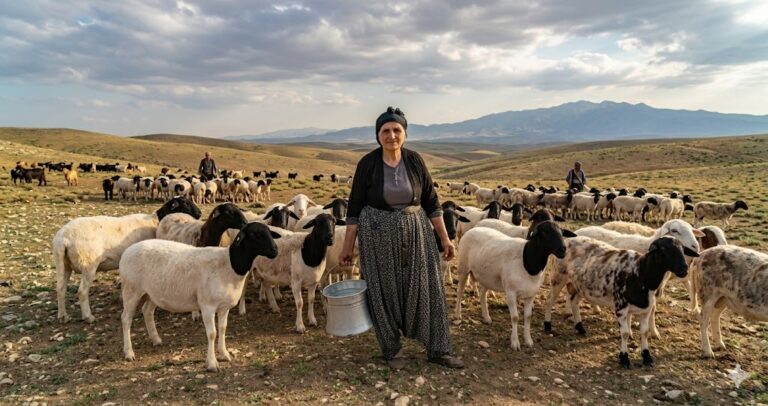
When people think about Dorper sheep, milk production is rarely the first characteristic that comes to mind. The breed has built its reputation on fast growth, hardiness, fertility, and meat production rather than dairy performance. As a result, many farmers exploring different sheep breeds eventually ask: are Dorper sheep good for milk? The answer depends on whether you’re evaluating milk production for lamb rearing or commercial dairy purposes.
Table of Contents
Why Dorper Sheep Produce Milk
Like all sheep breeds, Dorper ewes produce milk to nourish their lambs. Strong maternal traits and good lamb-rearing ability are among the qualities that have contributed to the breed’s popularity worldwide.
Healthy ewes typically produce enough milk to support rapid lamb growth under normal production conditions. This ability helps contribute to good weaning weights and strong lamb survival rates when nutrition and management are adequate.
Are Dorper Sheep a Dairy Breed?
Dorper sheep are not considered a specialized dairy breed. Unlike breeds developed specifically for milk production, such as the East Friesian, Dorpers were selectively bred for meat production, adaptability, and reproductive efficiency.
Their milk production is designed primarily to support lamb growth rather than generate surplus milk for commercial dairy operations. Farmers seeking high milk yields for cheese, yogurt, or fluid milk production generally choose dedicated dairy sheep breeds instead.
How Much Milk Do Dorper Sheep Produce?
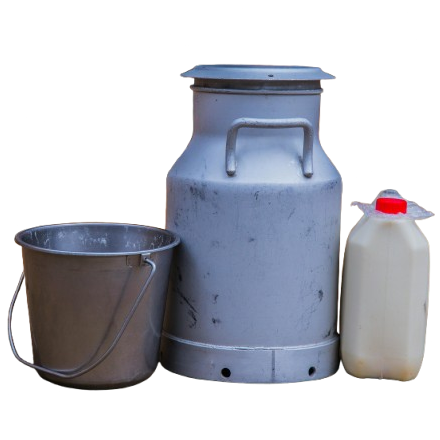
Milk production varies according to genetics, nutrition, litter size, age, health status, and management practices. While Dorper ewes generally produce sufficient milk for their lambs, they do not typically match the output of specialized dairy breeds.
Ewes raising twins often demonstrate higher milk production than those raising single lambs because increased demand stimulates greater milk yield. Proper nutrition during late pregnancy and lactation also plays a significant role in supporting milk production.
What Affects Milk Production in Dorper Ewes?
Several factors influence how much milk a Dorper ewe can produce.
Nutrition
Adequate energy, protein, clean water, and mineral supplementation are essential during lactation. Poor nutrition can quickly reduce milk production and affect lamb growth.
Genetics
Some bloodlines naturally display stronger maternal performance and milk-producing ability than others. Selecting replacement ewes from productive mothers can help improve flock performance over time.
Lambing Type
Ewes nursing twins or triplets often produce more milk than those raising a single lamb because the increased demand stimulates production.
Health Management
Good parasite control, vaccination programs, and overall flock health contribute to better lactation performance and healthier lambs.
Is Dorper Milk Good for Lamb Growth?
One reason Dorper sheep have become successful meat animals is their ability to raise vigorous lambs. The milk produced by healthy Dorper ewes contains the nutrients required to support early growth and development.
Combined with the breed’s strong mothering instincts, adequate milk production helps lambs establish quickly and achieve favorable growth rates during the nursing period.
Can You Milk Dorper Sheep for Human Consumption?
Technically, Dorper sheep can be milked, and their milk is suitable for human consumption when handled safely and in accordance with local regulations. However, most Dorper producers do not milk their sheep commercially because the breed was not developed for dairy production.
The amount of milk available after feeding lambs is often limited compared to specialized dairy sheep, making commercial milk production less practical.
What Breed Is Better for Sheep Milk Production?
Farmers interested primarily in milk production typically select dedicated dairy breeds rather than meat breeds. Specialized dairy sheep have been bred for higher milk yield, extended lactation periods, and greater efficiency in commercial milk production systems.
Dorper sheep excel in areas such as growth, adaptability, meat quality, and reproductive performance, but milk production is not their primary strength.
Conclusion
For producers focused on raising healthy lambs, Dorper ewes generally provide adequate milk and display strong maternal traits. However, if the goal is commercial dairy production, the answer to are Dorper sheep good for milk is generally no when compared with specialized dairy breeds. Dorpers are first and foremost a meat breed, and their milk production is best viewed as a tool for raising productive lambs rather than supplying a commercial dairy enterprise.