

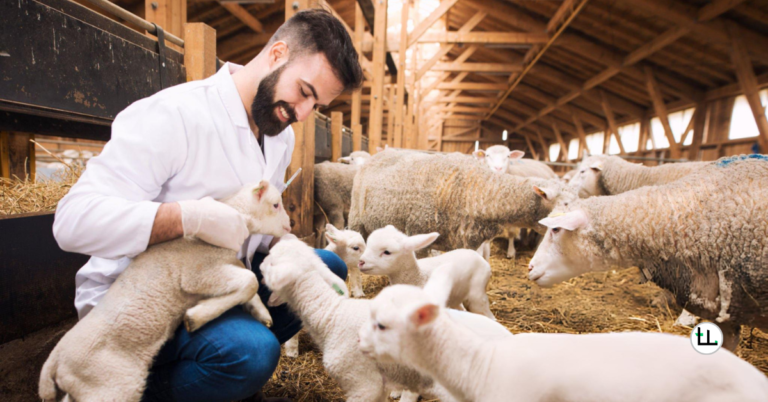
Dorper sheep are known for their hardiness, fast growth, and adaptability. While they are generally more disease-resistant than many other sheep breeds, they are still susceptible to a variety of infectious, parasitic, nutritional, and metabolic diseases. Early recognition and proper management are essential to maintaining a healthy flock and reducing economic losses.
Table of Contents
1. Internal Parasites (Gastrointestinal Worms)
Internal parasites are among the most common health problems affecting Dorper sheep.
Common Worms
- Barber’s pole worm (Haemonchus contortus)
- Roundworms
- Tapeworms
- Lungworms
Symptoms
- Pale gums
- Weight loss
- Bottle jaw (swelling under the jaw)
- Weakness
- Diarrhea (sometimes)
Prevention
- Rotational grazing
- Regular fecal egg counts
- Strategic deworming
- Avoid overstocking pastures
2. Coccidiosis
A common disease in lambs caused by microscopic parasites.
Symptoms
- Bloody or watery diarrhea
- Poor growth
- Dehydration
- Weakness
- Death in severe cases
Prevention
- Keep pens clean and dry
- Reduce overcrowding
- Provide clean water
- Use coccidiostats when recommended
3. Foot Rot
A contagious bacterial infection affecting the feet.
Symptoms
- Lameness
- Swollen feet
- Bad odor
- Separation of the hoof
Prevention
- Trim hooves regularly
- Foot baths with zinc sulfate or copper sulfate
- Keep housing dry
- Isolate infected sheep
4. Pneumonia
Respiratory infections can affect sheep of all ages.
Causes
- Stress
- Poor ventilation
- Sudden weather changes
- Bacterial or viral infections
Symptoms
- Coughing
- Nasal discharge
- Fever
- Rapid breathing
- Loss of appetite
Prevention
- Good ventilation
- Vaccination where appropriate
- Reduce stress
- Provide dry bedding
5. Enterotoxemia (Pulpy Kidney Disease)
Caused by toxins produced by Clostridium perfringens.
Symptoms
- Sudden death
- Convulsions
- Abdominal pain
- Diarrhea
Prevention
- Routine vaccination
- Avoid sudden diet changes
- Gradually introduce grain
6. Caseous Lymphadenitis (CLA)
A chronic bacterial disease causing abscesses.
Symptoms
- Swollen lymph nodes
- Abscesses
- Weight loss
- Reduced productivity
Prevention
- Isolate infected animals
- Disinfect equipment
- Prevent wounds
- Purchase disease-free breeding stock
7. Mastitis
Inflammation of the udder in ewes.
Symptoms
- Swollen udder
- Pain
- Abnormal milk
- Lambs not gaining weight
Prevention
- Good hygiene
- Clean lambing areas
- Early treatment
8. Pregnancy Toxemia
Occurs during late pregnancy, especially in ewes carrying twins or triplets.
Symptoms
- Depression
- Loss of appetite
- Weakness
- Difficulty standing
- Neurological signs
Prevention
- Proper nutrition
- Monitor body condition
- Supplement energy during late pregnancy
9. Ketosis
A metabolic disorder caused by inadequate energy intake.
Symptoms
- Weight loss
- Weakness
- Reduced appetite
- Poor milk production
Prevention
- Balanced nutrition
- Avoid sudden feed shortages
10. Orf (Contagious Ecthyma)
A contagious viral disease affecting the mouth and lips.
Symptoms
- Crusty sores
- Difficulty nursing
- Weight loss
- Painful lesions
Prevention
- Isolate infected animals
- Vaccinate where disease is common
- Wear gloves when handling infected sheep (it can infect humans)
11. Bluetongue
A viral disease spread by biting midges.
Symptoms
- Fever
- Swollen face
- Blue or purple tongue (not always present)
- Lameness
- Mouth ulcers
Prevention
- Vector control
- Vaccination where available
- Reduce exposure during midge season
12. Johne’s Disease
A chronic bacterial disease affecting the intestines.
Symptoms
- Progressive weight loss
- Poor condition
- Chronic diarrhea (less common in sheep than cattle)
Prevention
- Buy animals from disease-free flocks
- Good biosecurity
- Test breeding stock
13. Pink Eye (Infectious Keratoconjunctivitis)
An eye infection that spreads easily.
Symptoms
- Tearing
- Red eyes
- Cloudy cornea
- Temporary blindness
Prevention
- Fly control
- Reduce dust
- Isolate affected animals
14. Sheep Scab and External Parasites
External parasites include:
- Sheep scab mites
- Lice
- Ticks
- Blowflies
Symptoms
- Excessive scratching
- Wool loss
- Skin irritation
- Restlessness
Prevention
- Regular inspections
- Approved parasite treatments
- Quarantine new animals
15. Mineral Deficiencies
Dorper sheep may develop deficiencies depending on soil and forage quality.
Common Deficiencies
- Selenium
- Copper (carefully managed, as excess copper can be toxic to sheep)
- Zinc
- Iodine
Symptoms
- Poor growth
- Weak lambs
- Reduced fertility
- Poor wool or hair coat quality
Prevention
- Balanced mineral supplements
- Forage testing
- Veterinary guidance on supplementation
General Disease Prevention Tips
A strong preventive health program greatly reduces disease risk:
| Practice | Benefit |
|---|---|
| Vaccination | Prevents major infectious diseases |
| Rotational grazing | Reduces parasite burden |
| Quarantine new animals | Prevents introduction of disease |
| Clean water | Reduces digestive illness |
| Balanced nutrition | Supports immunity |
| Regular hoof trimming | Prevents foot problems |
| Parasite monitoring | Avoids unnecessary deworming and slows resistance |
| Routine veterinary checks | Detects problems early |
When to Call a Veterinarian
Seek veterinary assistance if you notice:
- Sudden deaths
- High fever
- Severe diarrhea
- Difficulty breathing
- Neurological signs
- Persistent lameness
- Large abscesses
- Rapid weight loss
- Disease affecting multiple animals
Frequently Asked Questions
Are Dorper sheep more disease-resistant than other breeds?
Yes. Dorper sheep are generally hardy and tolerant of harsh environments, but they still require proper nutrition, parasite control, vaccination, and biosecurity to stay healthy.
What is the biggest health challenge in Dorper sheep?
In many regions, internal parasites—especially barber’s pole worm—are among the most significant health concerns, particularly in warm and humid climates.
How often should Dorper sheep be dewormed?
Rather than deworming on a fixed schedule, many veterinarians recommend targeted treatment based on fecal egg counts, body condition, and methods such as the FAMACHA® system for assessing anemia caused by barber’s pole worm.
What vaccines are commonly recommended?
Vaccination programs vary by region, but many flocks routinely vaccinate against clostridial diseases (including enterotoxemia and tetanus). Consult a local veterinarian to develop a program suited to your area.
Can good management reduce disease?
Yes. Clean housing, proper nutrition, rotational grazing, quarantine of new animals, and regular health monitoring can significantly reduce disease incidence.
With good husbandry and preventive care, Dorper sheep can remain productive, healthy, and resilient, making them an excellent choice for both commercial and small-scale sheep farming.