

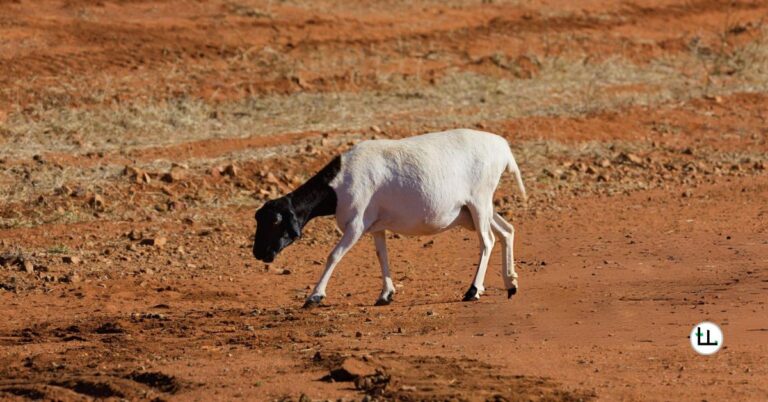
Knowing the Dorper sheep gestation period is one of the most basic but essential pieces of information a breeder needs, because everything from feeding adjustments to lambing pen preparation hinges on accurately predicting when ewes will deliver. Like most sheep breeds, Dorpers carry their lambs for roughly five months, but the practical work of managing that pregnancy well, from breeding date tracking to late-gestation nutrition, is where flock productivity is actually won or lost. Farmers who understand this window and manage it deliberately tend to see stronger lambs, fewer birthing complications, and better overall lambing percentages.
This article covers the typical gestation length, how to track breeding dates accurately, and the management adjustments that matter most as ewes move through pregnancy toward lambing.
Table of Contents
Understanding the Dorper Sheep Gestation Period
Average Length of Gestation
The Dorper sheep gestation period typically runs around 147 to 150 days, or roughly five months, which is consistent with most sheep breeds globally. Some variation exists between individual ewes, and factors like nutrition, age, and whether the ewe is carrying single or multiple lambs can shift the exact delivery date by a few days in either direction. Farmers should treat this as a working range rather than an exact countdown, since rigid expectations can lead to either premature intervention or missed preparation.
Why Tracking Breeding Dates Matters
Accurate breeding records make the gestation period useful rather than just informative. Without knowing when a ewe was mated, predicting her lambing window becomes guesswork, which leaves farmers unprepared for the nutritional and housing adjustments late pregnancy demands. Recording the date a ram was introduced to a ewe, or better still, using controlled breeding with marked rams, gives a reliable starting point for counting forward to the expected lambing date.
Stages of Pregnancy and What to Watch For
Early Gestation: The First Month
During the first month after conception, embryo implantation occurs and nutritional demands remain relatively modest. This is generally not the stage where major feed increases are necessary, but it is the stage where stress should be minimized. Sudden changes in diet, rough handling, or transport during this period can increase the risk of early embryonic loss, so it’s worth keeping management calm and consistent.
Mid-Gestation: Building Reserves
The middle stage of pregnancy, roughly from the second through the third month, is when ewes should be building body condition ahead of the heavier nutritional demands to come. Pasture management for Dorper sheep during this window should focus on maintaining steady body condition rather than aggressive weight gain, since over-conditioned ewes can face their own complications at lambing.
Late Gestation: The Critical Final Six Weeks
The final six weeks before lambing carry the highest nutritional demand, since this is when the majority of fetal growth occurs. Underfeeding during this window is one of the more common causes of weak lambs at birth, low birth weights, and reduced colostrum quality. Supplementary feeding for Dorper sheep often becomes necessary here, particularly for ewes carrying twins, which is common enough in well-managed Dorper flocks to plan for rather than treat as an exception.
Signs That Lambing Is Approaching
Physical and Behavioral Changes
As ewes approach the end of the Dorper sheep gestation period, several signs typically become visible. Udder development becomes more pronounced in the final one to two weeks, and the ewe’s belly noticeably drops as the lambs settle into position for birth. Many ewes also become restless, separate themselves from the flock, and show nesting-type behavior in the day or so before delivery. None of these signs are perfectly precise, but together they give a farmer a reasonable warning window.
Preparing the Lambing Environment
Once a ewe is within a week or two of her expected date based on breeding records, moving her into a clean, sheltered lambing area reduces exposure to predators and weather, and makes it easier to monitor the birth and intervene if complications arise. Dorper sheep housing requirements for lambing don’t need to be elaborate, but they should offer dry bedding, protection from wind and rain, and enough space to separate ewes that are close to term from the rest of the flock.
Managing Twins and Multiple Births
Dorper ewes commonly produce twins, and farmers should factor this into both feeding and lambing preparation rather than assuming single births as the default. Twin-bearing ewes have higher energy and protein requirements in late gestation than those carrying a single lamb, and underfeeding in these cases tends to show up as smaller, weaker lambs at birth. Monitoring body condition score through the final trimester helps catch nutritional shortfalls before they affect lamb viability.
Common Mistakes in Gestation Management
Inaccurate Breeding Records
The most frequent error in managing the gestation period is simply not knowing, or not tracking, when mating occurred. Without this, farmers are left reacting to physical signs alone, which often appear later than ideal for making timely nutritional or housing adjustments.
Overfeeding or Underfeeding in Late Pregnancy
Both extremes carry risk. Underfeeding late-gestation ewes contributes to weak lambs and poor colostrum production, while overfeeding, particularly in ewes already carrying excess condition, can increase the risk of lambing difficulties due to oversized lambs or excess internal fat restricting birth canal space. Matching feed to body condition and litter size, rather than applying a blanket feeding regime, produces more consistent outcomes.
Conclusion
The Dorper sheep gestation period, at roughly 147 to 150 days, gives farmers a reliable framework for planning everything from feed adjustments to lambing pen readiness. Success during this window comes down to accurate breeding records, appropriate nutrition through each stage of pregnancy, and recognizing the physical signs that signal lambing is near. As with most aspects of sheep production, outcomes vary depending on individual ewe condition, nutrition, and management quality, so farmers should use this gestation timeline as a practical guide rather than a fixed rule, adjusting based on what their own flock shows them season after season.