

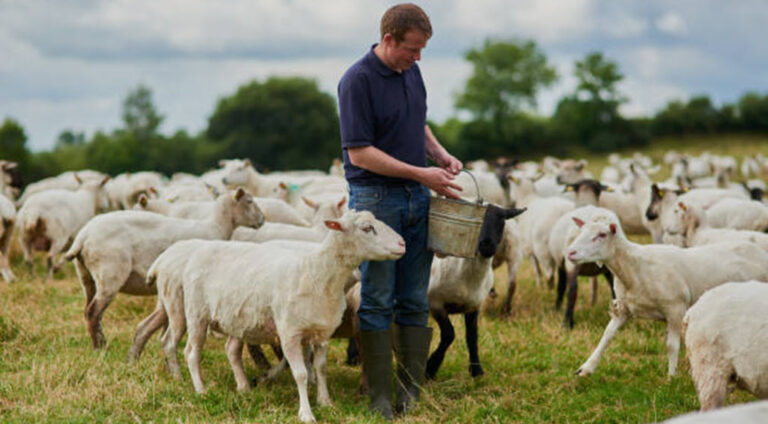
Feed costs can make or break a sheep enterprise, which is why many farmers begin by asking what do Dorper sheep eat before purchasing their first ram or ewe. While Dorpers have earned a reputation for thriving where other breeds struggle, their performance is still closely tied to nutrition. Growth rates, fertility, lamb survival, and carcass quality all depend on feeding the right nutrients at the right stage of production. Understanding what to feed Dorper sheep is not just about filling a trough—it’s about building a feeding program that supports long-term flock productivity.
Table of Contents
Understanding the Dorper Diet
One of the reasons Dorpers have become popular worldwide is their ability to utilize a diverse range of feed resources. The typical Dorper diet includes pasture, browse, hay, silage, supplements, and clean water. Unlike some sheep breeds that rely heavily on improved grazing systems, Dorpers are both grazers and browsers, allowing them to consume grasses, shrubs, leaves, and other vegetation that may be available throughout the year.
This flexibility helps farmers adapt feeding programs to local conditions while still maintaining productive animals.
How Much Feed Does a Dorper Sheep Eat Daily?
Knowing what can Dorper sheep eat is important, but understanding feed intake is equally critical. As a general guideline, sheep consume approximately 3% to 4% of their body weight in dry matter intake every day.
A 50 kg sheep may therefore require around 1.5 to 2 kg of dry matter daily, while lactating ewes, rapidly growing lambs, and breeding animals often require higher levels of nutrient intake. Monitoring body condition score regularly provides one of the most reliable indicators of whether a feeding program is meeting the flock’s requirements.
Do Dorper Sheep Eat Grass, Hay, Weeds, Blackberries, and Trees?
Farmers are often surprised by how adaptable Dorper sheep can be when it comes to forage selection.
Do Dorper Sheep Eat Grass?
Quality pasture remains the foundation of most successful Dorper feeding programs. Productive grazing systems provide a cost-effective source of nutrients while encouraging natural feeding behavior.
Do Dorper Sheep Eat Hay?
Yes, hay is an important feed source, especially during dry periods when grazing becomes limited. Well-preserved hay helps maintain nutritional intake when fresh forage availability declines.
Do Dorper Sheep Eat Weeds?
Dorpers are well known for consuming a variety of weeds that other livestock may avoid. Their browsing ability can help improve pasture utilization while reducing certain unwanted plant species.
Do Dorper Sheep Eat Blackberries?
Young blackberry shoots and leaves are readily consumed by many Dorper sheep. In some grazing systems, sheep are intentionally used to help manage invasive vegetation.
Do Dorper Sheep Eat Trees?
Unlike animals that focus almost entirely on grazing, Dorpers will often browse shrubs and trees. Tender leaves and young growth are particularly attractive when pasture availability is limited.
Can Dorper Sheep Eat Alfalfa and Bread?
Not all feed sources provide the same nutritional value, making ingredient selection important.
Can Dorper Sheep Eat Alfalfa?
Alfalfa, commonly sold as Lucerne Hay or Lucerne Pellets, is one of the most valuable feeds available to sheep farmers. Rich in protein, digestible nutrients, and important minerals, it is frequently used for growing lambs, breeding animals, and lactating ewes.
Can Dorper Sheep Eat Bread?
Small amounts of bread are generally safe, but bread should never become a major component of the diet. Compared with quality forage and properly balanced rations, bread offers limited nutritional value and may contribute to digestive disturbances when fed excessively.
What Is the Best Feed for Dorper Sheep?
There is no single feed ingredient that can be described as the best feed for every situation. Successful feeding programs focus on balancing energy, protein, fiber, minerals, and water according to the needs of the animal.
Growing lambs require diets that support development, while pregnant and lactating ewes need additional nutrients to maintain production and raise healthy offspring. The most productive flocks are typically those that receive consistent, balanced nutrition rather than relying on a single feed source.
Why More Farmers Are Using Total Mixed Rations
As sheep enterprises become more commercialized, many producers are adopting Total Mixed Rations (TMRs) to improve feeding consistency. A properly formulated TMR combines roughage, concentrates, minerals, and additives into a single ration, ensuring every bite contains a balanced blend of nutrients.
This approach can improve feed efficiency, reduce sorting, and support more predictable growth and reproductive performance.
Common Energy Sources in Dorper Feed

The energy component of a ration fuels maintenance, growth, reproduction, and milk production.
Common energy ingredients include:
- Barley Bran
- Boma Rhodes Hay
- Bracharia Hay
- Maize Bran
- Maize Germ
- Maize Silage
- Super Napier Silage
- Wheat Bran
Selecting the right combination depends on availability, cost, and nutritional objectives.
Common Protein Sources in Dorper Feed
Protein plays a critical role in tissue development, milk production, fetal growth, and overall productivity.
Common protein ingredients include:
- Canola Cake
- Cotton Seed Cake
- Lucerne Hay
- Lucerne Pellets
- Soya Germ
- Sunflower Cake
Animals experiencing rapid growth or reproduction generally benefit from higher levels of dietary protein.
Mineral Supplements Used in Dorper Feeding Programs
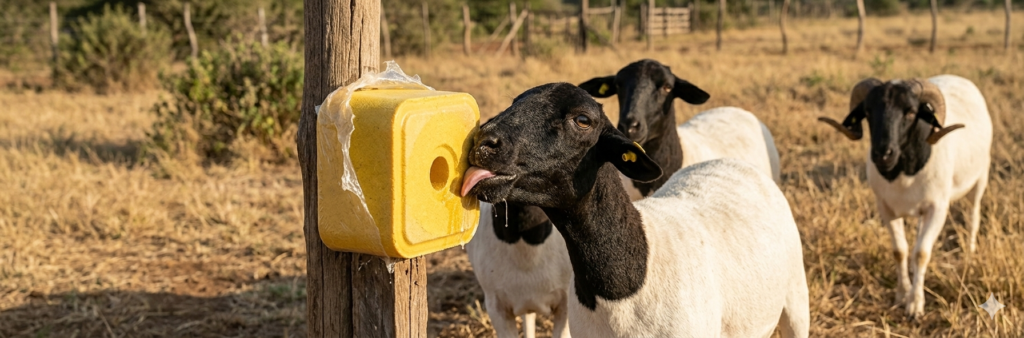
Even excellent forage can be deficient in important nutrients. Strategic mineral supplementation helps prevent deficiencies that may affect growth, fertility, and immunity.
Common mineral sources include:
- Mineral Powder
- UNGA Premix
- Salt Stone
These products help maintain overall flock performance and support long-term health.
Feed Additives That Improve Ration Performance
Feed additives are often used to improve palatability and encourage feed consumption.
Popular options include:
- Mollar Plus
- Molasses Solution
These additives can improve feed acceptance while helping bind ingredients together within a mixed ration.
What to Feed Sheep During Winter
Winter often presents the biggest nutritional challenge of the year. As pasture growth slows, farmers must rely more heavily on stored feeds.
Successful winter feeding programs commonly utilize:
- Hay
- Lucerne Hay
- Maize Silage
- Super Napier Silage
- Concentrates
- Mineral supplements
Maintaining adequate body condition score throughout winter helps ensure sheep enter breeding and lambing seasons in good condition.
What to Feed Sheep for Meat Production and Breeding
The nutritional needs of market lambs differ significantly from those of breeding stock.
Sheep being raised for meat production require sufficient energy and protein to support efficient muscle development and desirable carcass traits. Breeding animals, on the other hand, benefit from feeding programs that prioritize fertility, conception rates, and healthy pregnancies.
Strategic feeding before breeding can often have a greater impact on flock productivity than expensive genetic investments alone.
Are Dorper Sheep Good Eating?
Dorper sheep have become one of the world’s most respected meat breeds because of their ability to convert feed into growth efficiently. When properly fed and managed, they produce lamb with excellent muscling, favorable meat-to-bone ratios, and strong market appeal.
Their reputation for meat quality is one of the primary reasons the breed continues to expand into new production regions around the world.
Do Dorper Sheep Need Shelter?
Although feeding is the focus of most management decisions, environmental conditions also influence productivity. Dorper sheep are generally hardy animals, but access to shade, windbreaks, or basic shelter can reduce stress during extreme weather.
Comfortable animals often maintain better feed intake and utilize nutrients more efficiently than animals exposed to prolonged environmental stress.
Conclusion
The answer to what does Dorper sheep eat extends far beyond grass alone. From pasture, browse, and hay to carefully balanced Total Mixed Rations, Dorpers can utilize an impressive range of feed resources. Whether the goal is meat production, breeding, or maintaining a healthy flock, success depends on providing the right balance of energy, protein, forage, and mineral supplementation throughout the year. Farmers who understand both the nutritional requirements and feeding behavior of Dorper sheep are far more likely to achieve consistent performance and long-term profitability.