

Successful sheep farming is built on more than good genetics and quality feed. Every productive flock relies on accurate records that help producers make informed management decisions, monitor performance, and improve profitability over time. That is why many new and experienced farmers eventually ask what Dorper sheep management records should I keep. Whether you own a handful of breeding ewes or operate a large commercial enterprise, maintaining detailed records allows you to identify productive animals, control costs, improve breeding decisions, and demonstrate traceability when selling breeding stock.
Table of Contents
Why Keeping Records Matters in Dorper Sheep Farming
Good records transform guesswork into informed decision-making. Rather than relying on memory, producers can evaluate growth performance, reproductive success, health trends, and financial returns using documented information.
Accurate records also make it easier to:
- Select superior breeding stock
- Monitor flock performance
- Identify underperforming animals
- Improve profitability
- Support biosecurity and traceability
- Prepare for audits or certification programs
Animal Identification Records
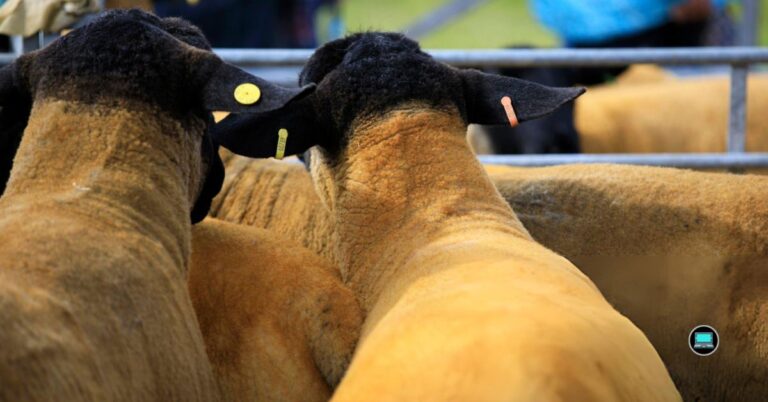
Every sheep should have a unique identity that remains with it throughout its life.
Typical identification records include:
| Information to Record | Example |
|---|---|
| Ear tag number | D001 |
| Breed | Dorper |
| Sex | Ram / Ewe |
| Birth date | 10 March 2026 |
| Birth type | Single, Twin, Triplet |
| Coat colour | White, Black Head |
| Sire | Ram ID |
| Dam | Ewe ID |
Permanent identification makes all other records far more reliable.
Breeding Records
Strong breeding records form the backbone of genetic improvement.
Important details include:
- Mating dates
- Ram used
- Ewe identification
- Pregnancy diagnosis
- Expected lambing date
- Lambing outcome
- Fertility performance
- Lamb survival
These records help evaluate maternal instincts, fertility, and overall breeding efficiency.
Lambing Records
Detailed lambing records provide valuable insight into reproductive performance.
Record information such as:
- Lambing date
- Number of lambs born
- Birth weights
- Lamb sex
- Lamb identification
- Assistance required
- Colostrum intake
- Lamb mortality
- Weaning date
Over time, these records help identify the most productive ewes within the flock.
Growth and Weight Records
Monitoring growth performance allows producers to identify animals with superior genetics and feeding efficiency.
Common measurements include:
- Birth weight
- Weaning weight
- Six-month weight
- Yearling weight
- Mature weight
- Average daily gain
Using weighing scales at regular intervals provides objective performance data instead of relying on visual assessment.
Health Records
Preventive health programs become much easier to manage when treatments are documented.
Health records should include:
- Vaccination programs
- Disease outbreaks
- Veterinary treatments
- Parasite control
- Deworming dates
- Hoof trimming
- Laboratory test results
- Deaths and causes of mortality
Maintaining accurate health histories also assists veterinarians when diagnosing recurring problems.
Feeding Records
Nutrition represents one of the largest production costs in sheep farming, making feeding records particularly valuable.
Information worth recording includes:
- Feed types
- Daily feed intake
- Total Mixed Ration (TMR) formulations
- Feed purchases
- Mineral supplementation
- Grazing rotations
- Pasture availability
- Feed costs
Tracking feed consumption helps improve feed conversion and control production expenses.
Financial Records
A profitable flock depends on understanding both income and expenditure.
Financial records should capture:
- Sheep purchases
- Animal sales
- Feed expenses
- Veterinary costs
- Labour
- Equipment purchases
- Transport
- Marketing expenses
- Profit and loss
These records help determine the true profitability of the enterprise.
Pasture and Grazing Records
Healthy pastures support healthy sheep.
Useful grazing records include:
- Grazing paddocks
- Stocking rates
- Rotational grazing schedules
- Pasture condition
- Fertilizer applications
- Reseeding activities
- Water availability
Over time, these records assist with pasture improvement and drought planning.
Mortality and Culling Records
Understanding why animals leave the flock helps improve future management decisions.
Record:
- Date removed
- Cause of death
- Culling reason
- Age
- Health history
- Disposal method
These records help identify recurring problems affecting flock productivity.
Equipment and Maintenance Records
Many producers overlook machinery records, yet equipment plays an important role in daily operations.
Maintain records for:
- Handling facilities
- Water systems
- Feed troughs
- Electric shearing machines
- Weighing scales
- Fencing repairs
- Vehicles
- Farm machinery
Regular maintenance extends equipment life and reduces unexpected breakdowns.
Inventory Records
Keeping track of farm assets simplifies planning and budgeting.
Inventory records may include:
- Rams
- Ewes
- Lambs
- Feed stocks
- Veterinary supplies
- Minerals
- Fencing materials
- Equipment
- Ear tags
Updating inventories regularly provides an accurate picture of available resources.
Which Records Are Most Important for Beginners?
New sheep farmers do not need complicated record-keeping systems from day one. Starting with a few essential records often proves more practical.
Prioritize:
- Animal identification
- Breeding records
- Lambing records
- Health records
- Weight records
- Financial records
As the flock expands, additional records can be introduced gradually.
Digital vs Paper Records
Modern producers increasingly use farm management software, mobile applications, or spreadsheets to manage flock information. Digital systems simplify data analysis, while traditional record books remain reliable for smaller flocks.
Whichever system you choose, consistency matters more than the format itself. Records should be updated promptly and reviewed regularly to support informed management decisions.
Conclusion
Accurate records are among the most valuable tools available to any sheep producer. Farmers researching what Dorper sheep management records should I keep quickly discover that documenting breeding, health, nutrition, finances, and flock performance leads to better decisions and improved profitability. Whether records are maintained in a notebook, spreadsheet, or dedicated livestock management software, the information they provide becomes the foundation for building a productive, efficient, and sustainable Dorper sheep enterprise.