

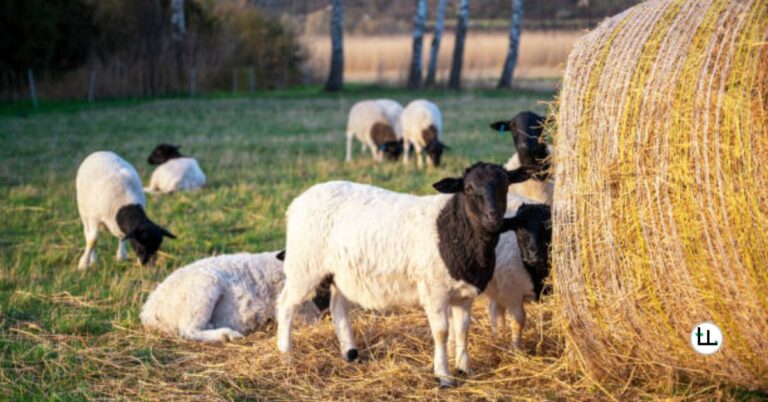
Silage for Dorper sheep is an excellent source of conserved forage that helps maintain flock productivity during dry seasons, drought, and periods of poor pasture availability. While Dorper sheep are highly efficient grazers capable of utilizing a wide range of pasture species, seasonal feed shortages often reduce both forage quantity and nutritional quality. Silage provides farmers with a reliable supply of nutritious feed that supports growth performance, improves feed conversion, and maintains healthy body condition score throughout the year.
Properly prepared silage retains much of the nutritional value of fresh forage through controlled fermentation under airtight conditions. When harvested at the correct stage and stored properly, silage supplies valuable energy, digestible fiber, and moderate levels of protein, making it an ideal supplement for growing lambs, pregnant ewes, lactating ewes, and breeding rams.
This guide explains the importance of silage in Dorper sheep production, the best forage crops for silage, proper silage-making techniques, feeding recommendations, storage methods, and practical management strategies that maximize forage quality and flock productivity.
Table of Contents
What Is Silage?
Silage is fermented forage preserved under anaerobic (oxygen-free) conditions to maintain its nutritional value for future feeding.
Fresh forage is chopped, compacted, and sealed inside airtight storage structures where naturally occurring bacteria ferment plant sugars into organic acids. This fermentation lowers the pH, preventing spoilage while preserving nutrients.
Unlike hay, which is preserved by drying, silage is preserved through fermentation while retaining relatively high moisture content.
Common silage crops include:
- Maize
- Super Napier grass
- Napier grass
- Sorghum
- Brachiaria grass
- Rhodes grass
- Mixed forage crops
Well-made silage remains nutritious for many months when stored correctly.
Why Silage Is Important for Dorper Sheep
Pasture production varies considerably throughout the year, particularly in regions experiencing seasonal rainfall.
Silage helps bridge periods of forage shortage by providing a consistent supply of quality forage regardless of weather conditions.
A well-managed silage programme helps farmers:
- Improve growth performance
- Enhance feed conversion
- Reduce seasonal feed shortages
- Maintain healthy body condition score
- Improve reproductive performance
- Support milk production
- Reduce dependence on purchased feeds
- Improve drought preparedness
Silage also allows producers to harvest surplus forage during periods of rapid pasture growth rather than allowing valuable feed resources to become overmature.
How Silage Is Made
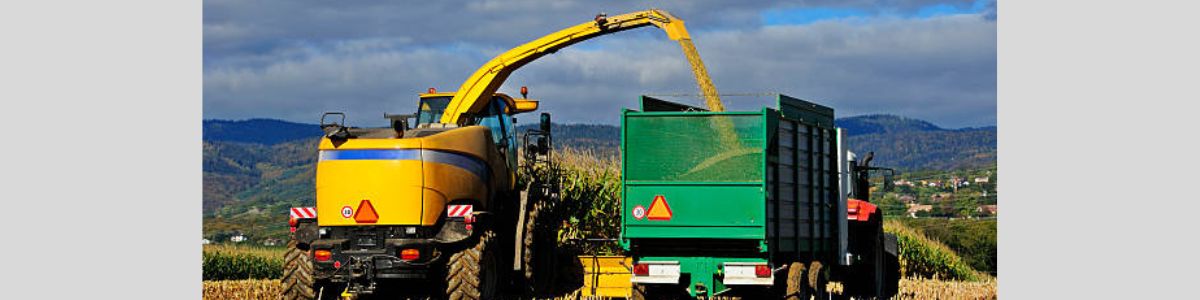
Producing high-quality silage requires careful management throughout the harvesting and storage process.
The basic steps include:
- Harvest forage at the correct stage of maturity.
- Chop the forage into suitable particle sizes.
- Fill the storage structure quickly.
- Compact the forage thoroughly.
- Remove as much air as possible.
- Seal the storage immediately.
- Allow adequate fermentation before feeding.
Proper compaction and airtight storage are essential because oxygen encourages mold growth and nutrient losses.
Successful fermentation usually takes several weeks depending on forage type and environmental conditions.
How Silage Fermentation Works
Silage preservation depends on beneficial bacteria naturally present on fresh forage.
Once oxygen has been excluded, these bacteria ferment plant sugars to produce organic acids, primarily lactic acid.
The increasing acidity lowers the pH and prevents harmful microorganisms from multiplying.
Good fermentation preserves:
- Energy
- Digestible fiber
- Moderate protein
- Vitamins
- Palatability
Poor fermentation, however, reduces nutritional value while increasing the risk of spoilage.
Benefits of Feeding Silage to Dorper Sheep
Silage offers numerous nutritional and economic advantages when incorporated into a balanced feeding programme.
Provides Feed During Dry Seasons
Silage supplies valuable nutrients when pasture production declines.
Maintaining consistent nutrition during feed shortages helps preserve flock productivity and reduces seasonal weight loss.
Improves Growth Performance
Quality silage supports steady growth performance, particularly when combined with balanced concentrate supplementation.
Growing lambs often benefit from improved nutrient intake during periods of poor grazing.
Supports Better Feed Conversion
Nutritious conserved forage contributes to healthier rumen function and improved feed conversion, allowing sheep to utilize nutrients more efficiently.
Maintains Body Condition
Pregnant ewes, lactating ewes, and breeding rams benefit from consistent nutrition during periods when natural pasture quality declines.
Maintaining an appropriate body condition score improves reproductive performance while supporting healthier lambs.
Reduces Feed Costs
Producing silage from home-grown forage often costs less than purchasing commercial feeds during droughts or prolonged dry seasons.
Harvesting surplus forage also reduces wastage during periods of abundant pasture growth.
Which Dorper Sheep Benefit Most from Silage?
Silage can be fed to nearly every class of sheep, although nutritional requirements differ according to production stage.
Silage is particularly valuable for:
- Growing lambs
- Weaned lambs
- Pregnant ewes
- Lactating ewes
- Breeding rams
- Replacement breeding stock
Balanced supplementation with protein, mineral supplementation, and clean drinking water further improves the nutritional value of silage-based feeding programmes.
Best Crops for Silage Production
Selecting the right forage crop is essential for producing high-quality silage. The ideal crop should provide high yields, good digestibility, adequate energy, and sufficient fermentable sugars for successful preservation.
Several forage crops perform well in Dorper sheep production systems.
Maize Silage
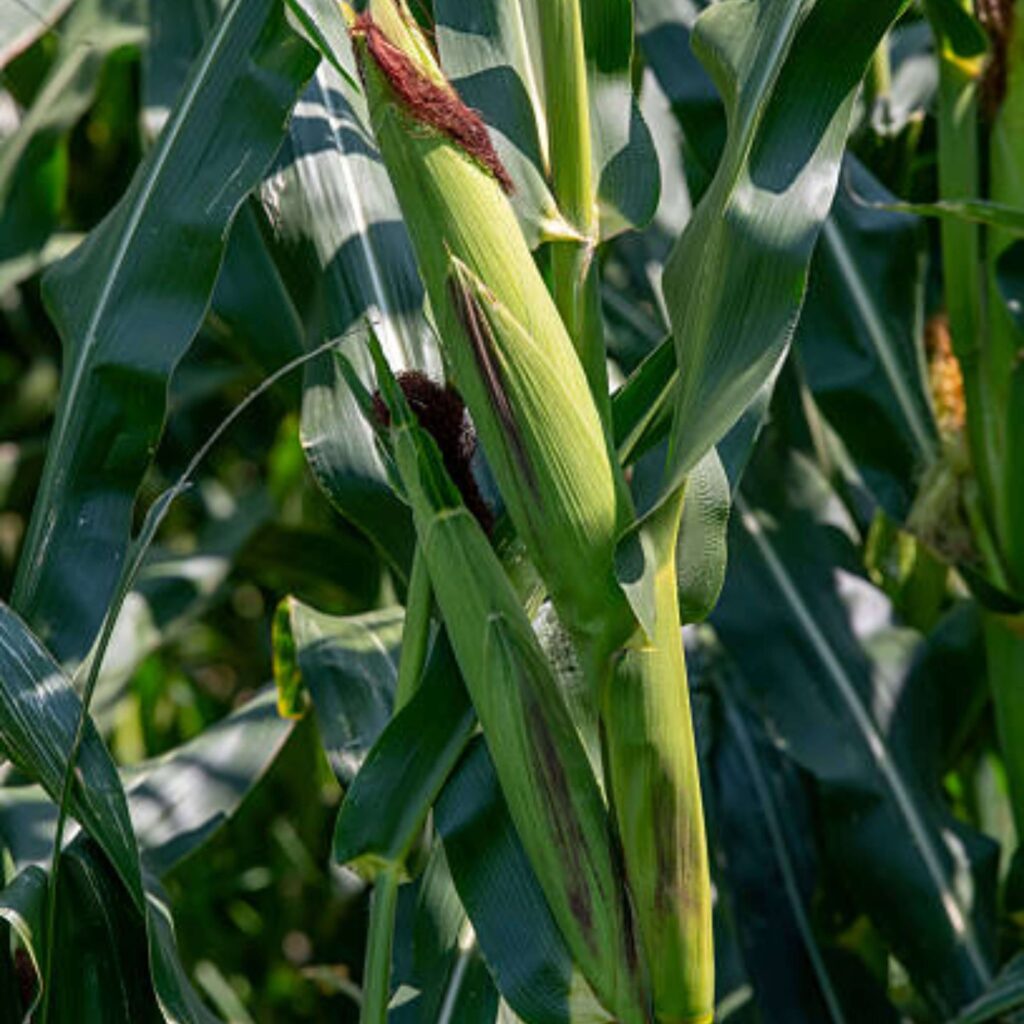
Maize is one of the most widely used silage crops because of its high energy content and excellent palatability.
Properly harvested maize silage offers several advantages:
- High digestibility.
- Excellent energy supply.
- Good fermentation characteristics.
- High dry matter yield.
- Consistent feed quality.
Maize silage is particularly valuable for growing lambs, lactating ewes, and finishing sheep.
Super Napier Silage
Super Napier grass produces large quantities of forage while maintaining good nutritional quality when harvested at the appropriate stage.
Benefits include:
- High forage yield.
- Good drought tolerance.
- Rapid regrowth.
- Suitable for repeated harvesting.
- Reliable silage production.
Super Napier silage is widely used where irrigation or adequate rainfall supports continuous fodder production.
Napier Grass Silage
Napier grass remains one of the most popular fodder crops for sheep farmers.
Harvesting before excessive maturity improves digestibility and overall silage quality.
Napier silage provides valuable roughage during seasonal feed shortages.
Sorghum Silage
Sorghum is well suited to dry regions because of its excellent drought tolerance.
Advantages include:
- Reliable production under low rainfall.
- Good biomass yield.
- Reasonable nutritional value.
- Efficient water use.
Proper harvesting is important to maximize nutrient availability.
Brachiaria Silage
Brachiaria produces highly palatable forage suitable for both grazing and silage production.
Its strong regrowth and adaptability make it an increasingly popular option for sheep producers.
Rhodes Grass Silage
Rhodes grass can also be successfully conserved as silage when harvested at the correct stage.
Although often used for hay production, excess forage may be ensiled during periods of rapid pasture growth.
Harvesting Forage for Silage
Harvest timing greatly influences silage quality.
Young forage generally contains higher digestibility and protein, while mature forage produces larger yields but lower nutritional value.
Farmers should harvest forage before excessive stem development occurs.
Proper harvesting helps preserve:
- Digestibility.
- Energy content.
- Protein quality.
- Palatability.
- Fermentation potential.
Delaying harvest often reduces feed value even if total forage production increases.
Characteristics of High-Quality Silage
Good silage should retain much of the nutritional value of fresh forage while remaining safe and palatable for livestock.
High-quality silage typically has:
- Pleasant fermented smell.
- Green to light brown color.
- Firm texture.
- Minimal mold growth.
- Good palatability.
- Proper moisture content.
Well-preserved silage encourages consistent feed intake and supports healthy rumen function.
Signs of Poor-Quality Silage
Poor fermentation significantly reduces feeding value and may pose health risks.
Farmers should avoid feeding silage showing:
- Mold growth.
- Rotten odor.
- Black discoloration.
- Slimy texture.
- Excessive heating.
- Visible spoilage.
- Foreign material contamination.
Spoiled silage should be discarded because it may contain harmful microorganisms or toxins that affect animal health and productivity.
How to Feed Silage to Dorper Sheep
Silage should be introduced gradually, particularly for sheep unfamiliar with fermented feeds.
Sudden dietary changes may disrupt rumen microorganisms and temporarily reduce feed intake.
Good feeding practices include:
- Introduce silage slowly.
- Feed fresh silage daily.
- Remove spoiled leftovers.
- Provide quality forage where appropriate.
- Supply balanced mineral supplementation.
- Ensure unrestricted access to clean water.
Silage should complement rather than completely replace a balanced feeding programme.
Silage Requirements for Different Classes of Sheep
Different classes of sheep have varying nutritional requirements.
Growing Lambs
Growing lambs benefit from quality silage when combined with adequate protein supplementation.
Balanced diets support rapid growth performance while encouraging efficient feed conversion.
Pregnant Ewes
Pregnant ewes require additional nutrients during late pregnancy.
Silage supplies valuable energy, but supplementary protein, minerals, and vitamins are often necessary to support fetal development and prepare for lactation.
Lactating Ewes
Milk production creates high nutritional demands.
Silage provides a valuable forage base, but additional concentrates are often required to maintain milk yield and prevent excessive loss of body condition score.
Breeding Rams
Breeding rams benefit from balanced silage-based diets that maintain good physical condition without promoting excessive fat deposition.
Adequate protein, mineral supplementation, and quality forage support fertility and breeding performance.
Silage and Feed Conversion Ratio
High-quality silage contributes positively to feed conversion by supporting healthy rumen function and improving nutrient utilization.
Silage harvested at the correct stage generally provides:
- Better digestibility.
- Higher voluntary feed intake.
- Improved nutrient absorption.
- Consistent rumen fermentation.
- Better growth performance.
Poor-quality silage, however, often reduces feed intake and lowers production efficiency.
Combining silage with balanced concentrate supplementation produces the best feed conversion results in growing Dorper lambs and finishing sheep.
Silage Storage Methods
Proper storage is essential for producing high-quality silage. Even well-harvested forage can lose much of its nutritional value if air enters the storage structure during fermentation.
The primary objective of silage storage is to create and maintain anaerobic conditions that allow beneficial bacteria to preserve the forage.
Common storage methods include:
Silage Pits
Silage pits are among the most common storage systems used by sheep farmers.
Advantages include:
- Low construction cost.
- Large storage capacity.
- Good compaction.
- Suitable for commercial farms.
The pit should be lined where necessary, filled quickly, compacted thoroughly, and covered immediately with plastic sheeting to prevent air penetration.
Silage Bunkers
Concrete bunkers provide excellent long-term storage and are commonly used by larger livestock enterprises.
Benefits include:
- Easy filling.
- Efficient compaction.
- Reduced spoilage.
- Simple feed removal.
Good sealing remains essential regardless of bunker design.
Silage Bags
Plastic silage bags have become increasingly popular because they require relatively low investment while reducing oxygen exposure.
Advantages include:
- Flexible storage capacity.
- Minimal infrastructure.
- Reduced spoilage.
- Convenient transportation.
Damaged bags should be repaired immediately to prevent air entering the silage.
Drum and Barrel Silage
Smallholder farmers often use plastic drums or barrels for silage production.
This method is especially suitable for farms with relatively small flocks because it:
- Requires limited forage quantities.
- Is inexpensive.
- Minimizes feed wastage.
- Produces manageable batch sizes.
Regardless of the storage method, proper sealing remains the key to successful fermentation.
How Long Can Silage Be Stored?
Properly prepared silage can remain suitable for feeding for many months provided it remains sealed and protected from air and water.
Storage life depends on:
- Forage quality.
- Moisture content.
- Compaction.
- Airtight sealing.
- Storage conditions.
- Handling practices.
Once opened, silage should be removed consistently to minimize spoilage at the exposed face.
Leaving exposed silage uncovered for extended periods allows oxygen to enter, reducing feed quality.
Seasonal Use of Silage
Silage plays an important role in maintaining flock nutrition throughout changing seasons.
During the Rainy Season
When pasture production exceeds grazing requirements, surplus forage should be conserved rather than wasted.
Producing silage during periods of abundant growth helps farmers prepare for future feed shortages while improving overall forage utilization.
During the Dry Season
Dry seasons often bring declining pasture quality and reduced forage availability.
Silage provides a dependable supply of nutritious forage, helping maintain:
- Growth performance
- Body condition score
- Milk production
- Reproductive performance
Strategic supplementation with concentrates and mineral supplementation further improves productivity.
During Drought
Silage becomes particularly valuable during prolonged drought when natural grazing is severely limited.
Stored forage allows producers to protect breeding stock while reducing the need for expensive emergency feed purchases.
Priority should be given to:
- Pregnant ewes
- Lactating ewes
- Growing lambs
- Breeding rams
Common Mistakes Farmers Make When Feeding Silage
Several management errors reduce the benefits of silage feeding.
Common mistakes include:
- Harvesting forage too late.
- Ensuring poor compaction during storage.
- Allowing air into the silage.
- Feeding spoiled or moldy silage.
- Introducing silage too rapidly.
- Ignoring mineral supplementation.
- Providing inadequate clean water.
- Leaving exposed silage uncovered.
- Feeding poor-quality silage to high-producing animals.
- Failing to plan forage conservation before the dry season.
Avoiding these mistakes helps maximize forage quality while improving flock productivity.
Silage for Dorper Sheep in Kenya
Silage production offers significant advantages for Dorper sheep farmers across Kenya, particularly where pasture availability changes with seasonal rainfall.
In high-rainfall counties, farmers can harvest surplus maize, Napier grass, Super Napier, Brachiaria, and Rhodes grass during periods of abundant growth, conserving valuable feed for future use.
In the arid and semi-arid lands (ASALs), silage serves as an important drought preparedness strategy. Conserved forage helps maintain breeding stock during prolonged dry seasons when natural pasture becomes scarce.
Smallholder farmers can successfully produce silage using pits, plastic drums, or silage bags with locally available forage crops. Commercial producers often integrate silage into broader feeding programmes that include improved pasture management, concentrate supplementation, and Total Mixed Ration (TMR) systems.
Working with livestock extension officers and forage specialists helps farmers select suitable silage crops, improve harvesting practices, and maximize forage conservation under local conditions.
Frequently Asked Questions
Can Dorper sheep eat silage?
Yes. Properly fermented silage is an excellent source of forage for Dorper sheep and can be fed as part of a balanced nutrition programme.
Which silage is best for Dorper sheep?
Maize silage, Super Napier silage, Napier grass silage, Brachiaria silage, sorghum silage, and Rhodes grass silage are all suitable when properly prepared and stored.
Can lambs eat silage?
Yes. Growing lambs can consume high-quality silage, although diets should also provide sufficient protein, energy, and mineral supplementation to support rapid growth.
Does silage improve feed conversion?
Yes. Good-quality silage supports healthy rumen function, improves nutrient utilization, and contributes to better feed conversion when included in balanced feeding programmes.
Can silage replace pasture completely?
Silage can provide valuable nutrition during periods of pasture shortage, but whenever possible it should complement grazing as part of a balanced feeding programme rather than completely replacing fresh pasture.
How can farmers tell if silage is spoiled?
Spoiled silage often develops mold, a foul odor, dark discoloration, excessive heating, or a slimy texture. Such silage should not be fed to sheep.
Conclusion
Silage for Dorper sheep is one of the most valuable forage conservation strategies for maintaining consistent nutrition throughout the year. By preserving high-quality forage during periods of abundant pasture growth, farmers can reduce the effects of seasonal feed shortages, drought, and fluctuating pasture quality while supporting excellent growth performance, healthy feed conversion, and improved reproductive efficiency.
Successful silage production depends on harvesting forage at the correct stage, achieving proper compaction, maintaining airtight storage, and feeding only well-fermented silage. When combined with balanced energy, adequate protein, continuous mineral supplementation, clean drinking water, and effective flock management, silage becomes an important component of profitable Dorper sheep production.
Whether operating a smallholder farm or a commercial sheep enterprise, investing in silage production improves feed security, reduces dependence on purchased feeds, lowers production costs, and helps ensure Dorper sheep remain productive and healthy throughout every season.