

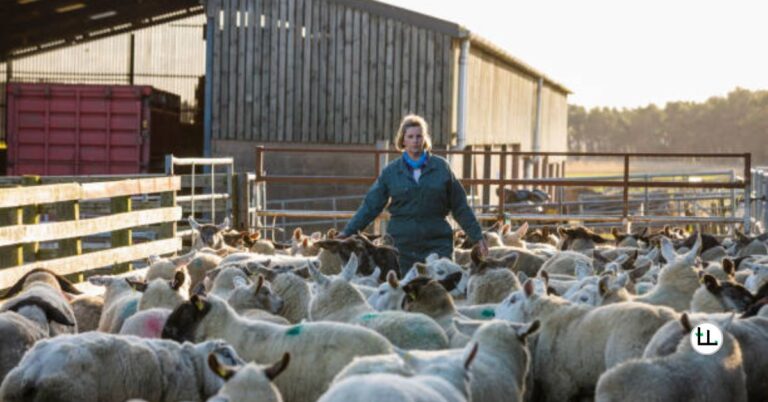
Dorper sheep housing requirements play a crucial role in maintaining flock health, improving productivity, and protecting sheep from harsh weather, predators, and disease. Although Dorper sheep are widely recognized for their hardiness and ability to thrive under extensive grazing systems, providing well-designed housing significantly improves animal welfare, reproductive performance, lamb survival, and overall farm profitability. Good housing also makes feeding, health management, breeding, and routine flock inspections much easier throughout the year.
A properly designed sheep house should provide protection without restricting natural behavior. It should remain dry, well ventilated, easy to clean, and spacious enough to prevent overcrowding. Whether raising a small backyard flock or managing a large commercial enterprise, investing in suitable housing reduces stress while supporting better growth performance, healthier feed conversion, and improved flock health.
This guide explains the housing requirements for Dorper sheep, including site selection, housing design, space requirements, ventilation, flooring, bedding, feeding facilities, lambing pens, and practical management practices for maintaining healthy and productive sheep.
Table of Contents
Why Proper Housing Is Important for Dorper Sheep
Dorper sheep are adaptable animals capable of tolerating a wide range of environmental conditions. However, exposure to excessive rain, cold winds, poor sanitation, overcrowding, and predators can negatively affect health and productivity.
Well-designed housing helps farmers:
- Improve growth performance
- Support better feed conversion
- Protect sheep from extreme weather
- Reduce disease outbreaks
- Improve lamb survival
- Simplify flock management
- Improve reproductive performance
- Reduce stress
- Protect feed resources
- Improve animal welfare
Good housing also provides a secure environment for handling sheep during vaccinations, health inspections, breeding, and lambing.
Do Dorper Sheep Need Housing?
Dorper sheep do not require confinement throughout the day.
Under most production systems, they spend the majority of their time grazing and only require shelter during periods of severe weather, lambing, illness, or overnight protection.
Housing is especially valuable for:
- Pregnant ewes
- Lactating ewes
- Newborn lambs
- Sick animals
- Newly purchased sheep under quarantine
- Breeding rams during management procedures
Even simple shelters provide important protection against rain, strong winds, and predators.
Choosing the Best Location for Sheep Housing
Selecting the correct site is one of the most important decisions when constructing sheep housing.
A poor location often creates long-term management problems regardless of building quality.
The housing site should provide:
- Good drainage
- Slightly elevated ground
- Easy vehicle access
- Reliable water supply
- Convenient feeding access
- Good air circulation
- Protection from flooding
Avoid constructing sheep houses in low-lying areas where water accumulates after rainfall because damp conditions increase the risk of hoof problems, respiratory disease, and poor sanitation.
Types of Housing for Dorper Sheep
The most suitable housing system depends on flock size, climate, available resources, and production objectives.
Open Sheds
Open-sided sheds provide protection while allowing excellent natural ventilation.
Advantages include:
- Lower construction costs
- Good airflow
- Reduced heat buildup
- Easy cleaning
- Simple expansion
Open sheds perform particularly well in warm climates where excessive humidity is a greater concern than cold temperatures.
Semi-Open Housing
Semi-open housing combines enclosed walls with open sections that improve airflow.
This design provides additional protection from wind and rain while maintaining adequate ventilation.
Semi-open systems are commonly used for breeding flocks and lambing facilities.
Fully Enclosed Buildings
Fully enclosed housing is generally used in regions experiencing severe weather conditions.
Such buildings require carefully designed ventilation systems because poor airflow encourages respiratory disease and moisture accumulation.
Housing Space Requirements
Providing adequate space reduces stress, minimizes aggression, and improves flock health.
Overcrowding contributes to:
- Disease transmission
- Poor air quality
- Feed competition
- Reduced growth performance
- Increased stress
- Dirty bedding
Space requirements vary according to:
- Age
- Body size
- Production stage
- Housing system
Pregnant ewes, lactating ewes, and breeding rams generally require more space than growing lambs.
Providing sufficient room allows sheep to rest comfortably while maintaining normal social behavior.
Ventilation Requirements
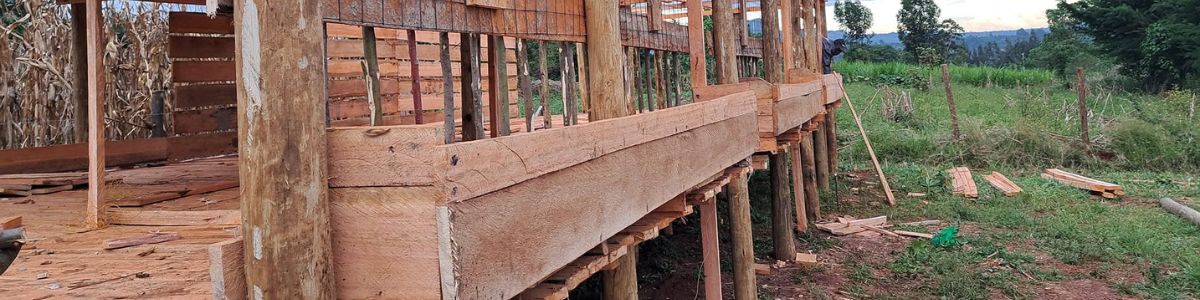
Good ventilation is one of the most important features of any sheep house.
Fresh air removes:
- Moisture
- Dust
- Ammonia
- Harmful gases
- Airborne disease organisms
Poor ventilation increases the risk of respiratory diseases such as pneumonia while creating damp conditions that encourage bacterial growth.
A well-designed sheep house should allow continuous airflow without exposing animals to direct drafts.
Natural ventilation is often sufficient where buildings are properly designed and stocking density remains appropriate.
Temperature and Weather Protection
Dorper sheep tolerate a wide range of temperatures better than many other breeds.
Nevertheless, housing should protect sheep from:
- Heavy rainfall
- Cold winds
- Extreme heat
- Direct sunlight
- Hail
- Storms
Young lambs require additional protection because they lose body heat much faster than adult sheep.
Providing dry resting areas and wind protection significantly improves lamb survival during the first weeks of life.
Flooring Requirements for Dorper Sheep Housing

The floor is one of the most important components of a sheep house because it directly affects hygiene, hoof health, animal comfort, and disease prevention.
An ideal floor should remain dry, provide good footing, and allow easy cleaning.
Common flooring options include:
Concrete Floors
Concrete floors are widely used because they are durable and easy to disinfect.
Advantages include:
- Easy cleaning.
- Long lifespan.
- Good drainage when properly sloped.
- Effective disease control.
Concrete floors should be covered with suitable bedding because bare concrete can become cold and uncomfortable.
Compacted Earth Floors
Compacted soil floors are inexpensive and commonly used by smallholder farmers.
Although economical, they require good drainage and regular maintenance to prevent muddy conditions during rainy periods.
Raised Slatted Floors
Raised slatted floors allow manure and urine to fall through gaps beneath the sheep.
Benefits include:
- Cleaner animals.
- Drier housing.
- Improved hygiene.
- Reduced labor requirements.
- Better hoof health.
Slats should be appropriately spaced to prevent injuries, particularly among young lambs.
Bedding Requirements
Good bedding improves comfort while helping maintain dry housing conditions.
Suitable bedding materials include:
- Wheat straw.
- Dry grass.
- Wood shavings.
- Rice husks.
- Sawdust (where appropriate).
Clean bedding reduces the risk of:
- Pneumonia.
- Foot problems.
- Mastitis.
- Navel infections in newborn lambs.
Wet bedding should be removed regularly because moisture encourages bacterial growth and increases ammonia levels inside the sheep house.
Feeding and Watering Facilities
Housing should allow every sheep convenient access to feed and water without excessive competition.
Well-designed feeding facilities reduce feed wastage while supporting efficient feed conversion.
Feeding equipment should include:
- Feed troughs.
- Hay racks.
- Mineral feeders.
- Concentrate feeders where required.
Providing separate feeding areas for lambs and adult sheep improves nutritional management.
Clean drinking water should remain available at all times.
Water troughs should:
- Be cleaned regularly.
- Prevent contamination.
- Be positioned to minimize mud formation.
- Provide adequate access for all sheep.
Lambing Pens
Lambing pens provide a safe environment for ewes during and immediately after birth.
These pens improve bonding between the ewe and her lamb while allowing farmers to monitor newborns closely.
Good lambing pens should provide:
- Dry bedding.
- Excellent ventilation.
- Protection from drafts.
- Easy access to water.
- Adequate lighting.
- Sufficient space for ewe and lamb.
Keeping lambing pens clean significantly reduces the risk of newborn diseases and improves lamb survival.
Isolation and Quarantine Pens
Every sheep farm should include facilities for isolating sick or newly purchased animals.
Isolation pens reduce disease transmission while allowing close observation of affected sheep.
Quarantine facilities are particularly important when introducing replacement breeding stock from other farms.
New arrivals should remain separated until they have been:
- Health inspected.
- Dewormed where appropriate.
- Vaccinated according to veterinary recommendations.
- Observed for signs of disease.
Good biosecurity practices help protect the resident flock from infectious diseases.
Fencing Around Sheep Housing
Strong fencing improves security while simplifying flock management.
Suitable fencing helps:
- Prevent escapes.
- Exclude predators.
- Separate breeding groups.
- Protect lambing areas.
- Improve grazing management.
Common fencing options include:
- Woven wire fencing.
- Electric fencing.
- Chain-link fencing.
- Wooden post fencing.
Regular inspection helps identify damaged sections before sheep escape or predators gain access.
Lighting Requirements
Natural daylight is generally sufficient for routine sheep management.
However, artificial lighting becomes valuable during:
- Night lambing.
- Health inspections.
- Veterinary procedures.
- Feeding during emergencies.
- Cleaning activities.
Lighting should provide good visibility without causing unnecessary stress to the animals.
Cleaning and Sanitation
Maintaining a clean sheep house greatly reduces disease risk while improving animal comfort.
Routine cleaning should include:
- Removing manure.
- Replacing wet bedding.
- Cleaning feed troughs.
- Washing water troughs.
- Disinfecting housing periodically.
- Removing leftover feed.
Good sanitation reduces exposure to harmful bacteria, parasites, and respiratory pathogens.
Housing Requirements for Different Classes of Sheep
Housing requirements vary according to the age and production stage of the animals.
Growing Lambs
Growing lambs require:
- Warm, dry housing.
- Good ventilation.
- Clean bedding.
- Protection from predators.
- Easy access to creep feeders.
- Clean drinking water.
Comfortable housing supports healthy growth performance while reducing disease risk.
Pregnant Ewes
Pregnant ewes benefit from housing that minimizes stress while providing protection during late pregnancy.
Housing should allow:
- Comfortable resting space.
- Easy feeding.
- Close observation before lambing.
Proper housing contributes to healthier lambs and improved lamb survival.
Lactating Ewes
Lactating ewes require clean housing because milk production places high demands on their immune system and nutritional status.
Dry bedding and excellent sanitation help reduce mastitis and improve lamb health.
Breeding Rams
Breeding rams should be housed separately when necessary to prevent unwanted mating and reduce aggression.
Housing should provide:
- Adequate exercise space.
- Comfortable resting areas.
- Balanced feeding facilities.
- Good ventilation.
Maintaining breeding rams in excellent condition supports reproductive performance and fertility.
Seasonal Housing Management
Housing requirements change throughout the year as weather conditions and production activities vary. Adjusting housing management according to the season helps maintain flock health while improving productivity.
Housing During the Rainy Season
Rainy weather increases the risk of damp bedding, muddy conditions, hoof diseases, and respiratory infections.
During the rainy season, farmers should:
- Replace wet bedding regularly.
- Improve drainage around sheep housing.
- Repair roof leaks immediately.
- Maintain good ventilation.
- Prevent water accumulation around entrances.
- Keep feed dry and protected.
Dry housing significantly reduces the incidence of foot rot, pneumonia, and other moisture-related diseases.
Housing During the Dry Season
Although dry conditions reduce moisture-related diseases, dust accumulation and heat stress become more important.
Good management includes:
- Providing adequate shade.
- Improving airflow.
- Cleaning dust from feeding areas.
- Ensuring continuous water availability.
- Preventing overcrowding.
Comfortable housing encourages better feed intake and improves feed conversion.
Housing During Cold Weather
Young lambs and recently shorn sheep are especially vulnerable to cold conditions.
Housing should provide:
- Wind protection.
- Dry bedding.
- Draft-free sleeping areas.
- Adequate ventilation without excessive heat loss.
Maintaining dry conditions is often more important than increasing temperature.
Predator Protection
Predator attacks can result in significant economic losses, particularly among newborn lambs.
Housing should help protect sheep from:
- Jackals
- Hyenas
- Feral dogs
- Foxes (where present)
- Large birds of prey attacking young lambs
Effective predator protection includes:
- Strong perimeter fencing.
- Secure night housing.
- Well-maintained gates.
- Motion lighting where appropriate.
- Livestock guardian dogs where practical.
Reducing predator pressure improves lamb survival and reduces stress throughout the flock.
Fire Safety Around Sheep Housing
Fire prevention should be considered during housing design and daily management.
Potential fire hazards include:
- Faulty electrical wiring.
- Dry bedding near ignition sources.
- Fuel storage close to housing.
- Open flames.
- Poorly maintained electrical equipment.
Farmers should:
- Store hay separately where possible.
- Inspect electrical systems regularly.
- Maintain emergency exits.
- Keep fire extinguishers accessible.
- Develop emergency evacuation plans.
Good planning protects both livestock and farm infrastructure.
Housing Requirements for Dorper Sheep in Kenya
Housing systems in Kenya should be designed according to local climatic conditions, production systems, and available construction materials.
In high-rainfall counties, sheep housing should prioritize good drainage, raised floors where practical, and excellent ventilation to reduce moisture-related diseases such as foot rot and pneumonia.
In the arid and semi-arid lands (ASALs), housing should focus on providing shade during hot days while protecting sheep from cold night temperatures and seasonal winds. Open-sided sheds with strong roofing often perform well under these conditions.
Smallholder farmers can construct effective shelters using locally available materials such as timber, treated poles, iron sheets, stone, bricks, or stabilized soil blocks, provided the structures remain dry, secure, and well ventilated.
Commercial Dorper producers frequently incorporate specialized facilities including:
- Lambing pens.
- Quarantine units.
- Handling races.
- Loading ramps.
- Feed storage rooms.
- Equipment storage.
- Dedicated breeding pens.
These facilities improve labor efficiency while supporting better flock management.
Working with livestock extension officers and experienced builders helps farmers design housing systems suited to local production conditions and future flock expansion.
Common Housing Mistakes Farmers Make
Even well-constructed sheep houses can become ineffective if poorly managed.
Common mistakes include:
- Overstocking housing facilities.
- Allowing poor ventilation.
- Using damp bedding.
- Ignoring routine cleaning.
- Providing insufficient feeding space.
- Allowing muddy conditions around water points.
- Failing to isolate sick animals.
- Constructing housing in flood-prone areas.
- Ignoring predator protection.
- Delaying repairs to damaged roofs and fencing.
Avoiding these mistakes improves animal welfare while reducing disease outbreaks and maintenance costs.
Frequently Asked Questions
Do Dorper sheep need housing?
Yes. Although Dorper sheep are hardy and adaptable, housing provides protection from harsh weather, predators, disease, and environmental stress while improving flock management.
What type of housing is best for Dorper sheep?
Open-sided or semi-open sheds with good ventilation, dry flooring, and adequate space generally provide excellent housing for Dorper sheep in most production systems.
How important is ventilation?
Proper ventilation is essential because it removes moisture, dust, ammonia, and harmful gases while reducing the risk of respiratory diseases such as pneumonia.
What bedding is suitable for Dorper sheep?
Suitable bedding materials include straw, dry grass, wood shavings, rice husks, and other clean, absorbent materials that keep resting areas dry and comfortable.
Should lambs be housed separately?
Young lambs often benefit from dedicated lambing pens or creep areas where they receive additional protection, better hygiene, and easier access to supplementary feed.
How often should sheep housing be cleaned?
Housing should be cleaned regularly by removing manure, replacing wet bedding, cleaning feed and water troughs, and disinfecting facilities when necessary to maintain good hygiene.
Conclusion
Proper Dorper sheep housing requirements extend far beyond simply providing shelter. Well-designed housing protects sheep from adverse weather, predators, disease, and environmental stress while creating conditions that support excellent growth performance, efficient feed conversion, reproductive success, and improved animal welfare. Clean, dry, well-ventilated housing also simplifies feeding, health management, lambing, and routine flock handling, making day-to-day farm operations more efficient.
Successful sheep housing combines adequate space, effective ventilation, proper flooring, clean bedding, secure fencing, reliable water supplies, and good sanitation with sound biosecurity practices and regular maintenance. Housing should also be adapted to local climatic conditions, flock size, and production objectives to ensure long-term functionality and sustainability.
Whether managing a smallholder flock or a large commercial Dorper enterprise, investing in appropriate housing infrastructure improves flock health, reduces production losses, enhances labor efficiency, and contributes significantly to the long-term profitability and sustainability of sheep farming.